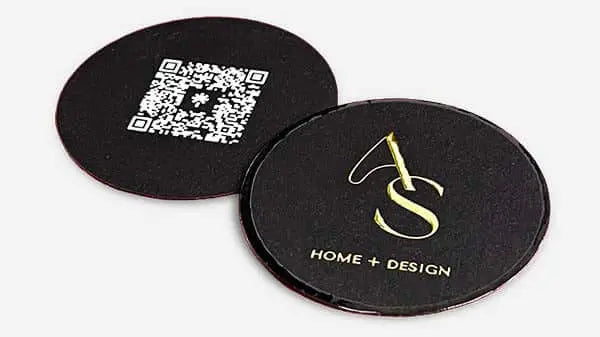


7 Insights on Sustainable Business Cards: What Matters vs. Marketing
Choosing business card materials can feel overwhelming when you want to balance luxury, sustainability, and lasting professional impact. Too often, brands fall into the trap of using buzzwords—focusing on recycled labels or green claims—without real substance. True sustainability is about more than appearances. It means making intentional decisions that influence durability, waste, and your brand’s image all at once.
This guide reveals actionable strategies for professionals who want business cards that actually stand out while honoring environmental responsibility. Get ready to discover insights on material selection, design philosophy, and subtle sustainability signals that really matter. You’ll learn how to make choices that impress clients and reflect thoughtful resource management for the long term.
Table of Contents
- Rethinking Sustainability: Beyond Eco-Guilt and Buzzwords
- Choosing Materials That Balance Luxury With Responsibility
- Longevity and Intentional Use: The Understated Green Strategy
- Premium Design’s Role in Reducing Waste, Not Just Impressing
- Plastic in Perspective: Myths, Facts, and Smart Uses
- Sustainability Signals: What Clients and Colleagues Actually Notice
- Value Over Virtue: Why Perception Often Wins in Business Cards
Quick Summary
| Takeaway | Explanation |
|---|---|
| 1. View sustainability as a design philosophy | Sustainability should be integrated into your design process, focusing on strategic choices over mere compliance. |
| 2. Prioritize durable materials for business cards | Using high-quality, durable materials enhances longevity and minimizes waste by reducing the frequency of replacements. |
| 3. Authentic design signals sustainability | Clients notice genuine design decisions over generic green labels, which reflect your brand’s integrity and commitment. |
| 4. Invest in business card quality | A well-crafted card communicates professional value and encourages recipients to keep and reference it, enhancing networking potential. |
| 5. Leverage plastic intelligently | Quality plastic can offer durability and longevity, serving as a sustainable choice when responsibly sourced. |
1. Rethinking Sustainability: Beyond Eco-Guilt and Buzzwords
Sustainability isn’t about feeling guilty or buying green-labeled products. It’s a strategic approach to design and material selection that prioritizes intentional resource management and long-term value.
Traditional sustainability conversations often trap professionals in simplistic narratives about recycling and waste reduction. But true sustainability goes deeper. It involves understanding how design choices impact material longevity, utility, and overall environmental footprint.
Consider business cards as a perfect example of strategic sustainability:
- Durability matters more than disposability
- Higher quality cards get shared and kept longer
- Premium materials reduce frequent reprinting
- Design choices influence real-world usage patterns
Sustainability isn’t about perfection. It’s about making smarter, more deliberate choices that reduce unnecessary waste.
For business professionals, this means viewing sustainability as a design philosophy rather than a compliance checkbox. Your business cards should communicate quality and intentionality through material selection, not just environmental messaging.
Pro tip: Select business card materials that reflect your brand’s commitment to quality and thoughtful design, not just temporary eco-trends.
2. Choosing Materials That Balance Luxury With Responsibility
Luxury and sustainability are not mutually exclusive concepts. Professional brands can create high-end business cards that communicate prestige while demonstrating environmental consciousness.
Material selection represents the critical intersection between aesthetic quality and responsible design. Your business card’s materials tell a nuanced story about your brand’s values and attention to detail.
Key considerations for balancing luxury and responsibility include:
- Sourcing transparency
- Durability of materials
- Minimal environmental impact
- Aesthetic sophistication
- Long-term usability
Premium doesn’t mean wasteful. It means intentional and considered design.
Professional designers recognize that material intelligence matters more than simplistic green marketing. A well-crafted card made from responsibly sourced materials communicates far more about your brand than generic recycled paper.
For professionals looking to elevate their brand, unique business card solutions can provide innovative approaches that blend responsibility with refined design.
Pro tip: Select materials that reflect your brand’s quality standards and demonstrate thoughtful environmental consideration without compromising visual impact.
3. Longevity and Intentional Use: The Understated Green Strategy
Sustainability isn’t just about materials. It’s about creating lasting professional impressions that reduce unnecessary waste through thoughtful design and intentional use.
Most professionals misunderstand green strategies. They focus on recyclable materials instead of designing objects that remain valuable and functional for extended periods. Business cards represent a perfect example of this strategic approach.
Key principles of intentional design include:
- Minimizing unnecessary reprints
- Creating cards with memorable tactile qualities
- Selecting materials that withstand multiple interactions
- Designing for genuine professional connections
- Reducing disposable communication tools
True sustainability means creating artifacts that people want to keep not discard.
Professional brands can leverage unique business card solutions to develop cards that transcend traditional single-use marketing collateral. The goal is transforming business cards from disposable items into meaningful professional touchpoints.
By prioritizing quality over quantity and design over volume you create sustainable communication ecosystems. A well-designed card becomes a connection catalyst rather than immediate landfill material.
Pro tip: Invest in business card design that communicates your professional value so compellingly that recipients will naturally preserve and reference your card.
4. Premium Design’s Role in Reducing Waste, Not Just Impressing
Premium design isn’t about visual extravagance. It’s a strategic approach to creating meaningful professional artifacts that minimize unnecessary waste through intelligent construction.
Most professionals misunderstand design’s environmental impact. A thoughtfully crafted business card can communicate more value while requiring fewer total production iterations. This approach transforms design from a cosmetic exercise into a sustainable communication strategy.
Key elements of waste-reducing premium design include:
- Selecting durable materials that age gracefully
- Minimizing decorative elements with limited functional purpose
- Creating cards that inspire preservation
- Developing designs that communicate complex brand narratives
- Prioritizing quality over quantity
Exceptional design speaks softly but resonates deeply.
Professional brands can leverage unique business card solutions to develop communication tools that transcend traditional marketing collateral. The goal is creating artifacts that professionals want to keep and share.
By focusing on intentional design rather than superficial impressiveness you transform business cards from disposable items into meaningful professional touchpoints.
Pro tip: Design your business card as a strategic communication tool that communicates value so effectively that recipients instinctively preserve and reference it.
5. Plastic in Perspective: Myths, Facts, and Smart Uses
Plastic isn’t the environmental villain most people imagine. Intelligent material selection can transform plastic from a perceived problem to a strategic design solution for professional communication tools.
Professionals often misunderstand plastic’s potential. Modern plastic technologies offer durability lightweight design and remarkable preservation capabilities that traditional paper cards cannot match. The key is selecting high quality sustainable plastic with intentional design purpose.
Consider these nuanced perspectives on plastic business cards:
- Exceptional durability and longevity
- Resistance to environmental damage
- Potential for multiple interactions
- Reduced frequency of card replacement
- Lower overall material consumption
Sustainability isn’t about elimination. It’s about intelligent design and purposeful use.
Brands can explore unique business card solutions that leverage plastic’s inherent strengths while maintaining environmental consciousness. Premium plastic cards can become lasting professional communication artifacts.
The most sustainable card isn’t necessarily the one made from recycled materials. It’s the card that survives multiple professional interactions and communicates your brand’s values effectively.
Pro tip: Choose plastic materials that offer superior durability and can be responsibly recycled at the end of their functional lifecycle.
6. Sustainability Signals: What Clients and Colleagues Actually Notice
Sustainability isn’t a performance. It’s a nuanced communication strategy that discerning professionals recognize through subtle design choices and intentional material selection.
Most brands misunderstand sustainable signaling. Clients and colleagues aren’t impressed by generic green labels or recycling icons. They notice authentic design decisions that demonstrate thoughtful resource management and brand integrity.
Key sustainability signals that genuinely resonate:
- Intentional material selection
- Durability of professional artifacts
- Design that suggests long-term thinking
- Understated quality over loud marketing
- Reduction of unnecessary waste
Authentic sustainability speaks softly but powerfully.
Professional brands can explore unique business card solutions that communicate environmental consciousness through sophisticated design choices. The most compelling sustainability statements are often the most subtle.
Clients recognize brands that view sustainability as a strategic design philosophy rather than a marketing checkbox. Your business card becomes a silent ambassador of your professional values.
Pro tip: Design your business cards to communicate sustainability through quality craftsmanship and material intelligence rather than overt environmental messaging.
7. Value Over Virtue: Why Perception Often Wins in Business Cards
Perception trumps intention in professional communication. Business card design speaks volumes before a single word is exchanged about your brand’s values and strategic thinking.
Most professionals misunderstand the psychological impact of their business card. It’s not merely a contact information vehicle but a sophisticated communication artifact that signals your brand’s depth intelligence and professional approach.
Key perception signals include:
- Tactile quality of materials
- Subtle design complexity
- Intentional minimalism
- Quality of paper or substrate
- Precision of finishing techniques
Perception is the silent language of professional credibility.
Brands can communicate substantial narratives through fine paper business cards that suggest thoughtfulness and strategic positioning. The most powerful statements are often made through restrained elegant design choices.
Clients and colleagues unconsciously decode your professional identity through these nuanced design decisions. Your business card becomes a three-dimensional representation of your brand philosophy.
Pro tip: Invest in business card design that communicates your professional narrative through sophisticated material choices and understated elegance.
Below is a comprehensive table summarizing the key strategies and considerations for sustainable business card design discussed throughout the article.
| Topic | Description | Key Considerations |
|---|---|---|
| Rethinking Sustainability | Advocates a mindful approach to resource management, emphasizing quality and longevity over disposability. | Use durable materials and prioritize impactful design to create lasting impressions. |
| Material Selection | Examines the balance between aesthetics, luxury, and environmental responsibility in choosing materials for business cards. | Focus on sourcing transparency, longevity, minimal impact, and maintenance of aesthetic quality. |
| Longevity and Design Intent | Promotes creating business tools that maintain value and integrity over time, minimizing the necessity for frequent replacement. | Employ intentional designs that are memorable, sturdy, and foster meaningful connections. |
| Role of Premium Design | Highlights the importance of strategic design as an environmentally conscious marketing tool. | Utilize durable and minimally adorned materials that are purposeful and inspire preservation among users. |
| Use of Plastic Materials | Describes how high-quality plastics, when used intelligently, can offer practical advantages in terms of durability and lower consumption. | Select sustainable plastics with long lifespans and emphasize end-of-life recycling options. |
| Authentic Sustainability Signals | Identifies design aspects that effectively communicate sustainability, such as material choice and functionality, without overly explicit environmental messaging. | Prioritize authenticity, select materials thoughtfully, and design for long-term use and subtle messaging. |
| Perception and Professionalism | Underscores the influence of business card design on professional perception, connecting material and design choices to brand narrative. | Opt for premium design that reflects brand intelligence, credibility, and professionalism. |
Elevate Your Brand with Sustainable Business Cards That Truly Matter
The challenge many professionals face is creating business cards that go beyond green marketing and empty buzzwords. This article highlights the importance of intentional material selection, durability, and sophisticated design as key to authentic sustainability. If you want business cards that reflect quality, responsible design, and lasting professional impressions, it is time to rethink your approach.
Discover exquisite options like Textured Paper Business Cards and Clear Plastic Business Cards that combine premium materials with environmental intelligence.
Don’t settle for disposable cards or generic eco-labels. Visit BcardsCreation now to explore bespoke, small-batch business card solutions designed with your brand’s sustainability and prestige in mind. Start your journey toward impactful, responsible branding that your clients and colleagues will genuinely respect.
Frequently Asked Questions
What factors should I consider for sustainable business card materials?
Choose materials that emphasize durability, sourcing transparency, and minimal environmental impact. Opt for quality materials that can last longer, reducing the need for frequent replacements.
How can I ensure my business card design communicates sustainability effectively?
Incorporate intentional material selection and thoughtful design elements that reflect your brand values. Focus on creating a card that not only looks good but also minimizes waste by encouraging preservation.
What makes a business card a sustainable communication tool?
A sustainable business card is one that is designed for longevity and usability, minimizing unnecessary reprints and waste. Aim to create a card that professionals want to keep and share, thus extending its lifecycle.
How can I use plastic sustainably in my business cards?
Select high-quality, responsibly produced plastic that offers durability and resistance to wear. By prioritizing materials that withstand multiple interactions, you can reduce overall material consumption and enhance the card’s lifespan.
What subtle design choices indicate sustainability in business cards?
Focus on intentional material choices, understated quality, and minimalistic design elements. Authentic design decisions that suggest long-term thinking will resonate more with clients and colleagues than flashy marketing claims.
How does the tactile quality of a business card influence perception?
The tactile quality of your business card can significantly impact how it is perceived by others. Invest in premium materials and finishing techniques to convey depth and professionalism, which in turn enhances your brand’s credibility.
Recommended
- Top 8 Unique Business Card Solutions for 2026 – BcardsCreation
- Fine Paper Double layered Business Card with Real Gold / Silver Foils, – BcardsCreation
- Acrylic Card Holder | Personalized Business Card Holder for Desk – BcardsCreation
- Letterpress Business Card with full color print and real foil Rose Gol – BcardsCreation


