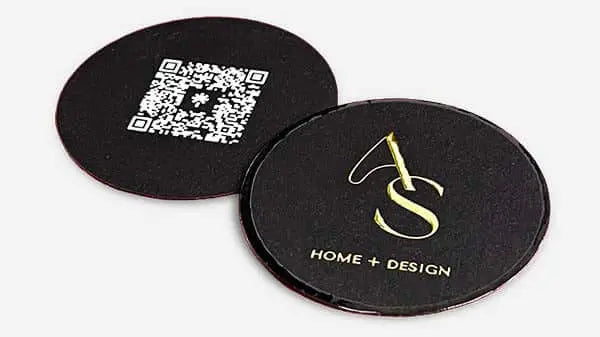


7 Things Not to Put on a Business Card (And What to Do Instead)
Handing out your business card should leave a strong and memorable impression, not confusion or missed opportunities. Many professionals unintentionally include cluttered contact details or unclear titles, making it difficult for others to grasp their expertise. Choosing the right information and design is one of the fastest ways to build trust and protect privacy.
This list will reveal how smart decisions—like choosing a distinctive title or simplifying visuals—quickly set you apart from your competition. With every tip, you’ll gain immediate steps for making your business card a clear, professional reflection of your brand. Discover which details to highlight, what to avoid, and how easy changes can unlock better connections.
Table of Contents
- 1. Overusing Contact Information: Streamline For Clarity
- 2. Generic Titles: Choose Positioning That Reflects Value
- 3. Busy Visuals And Logos: Prioritize Clean Design
- 4. Unnecessary Personal Details: Focus On Professional Identity
- 5. False Professionalism: Build Authentic Trust
- 6. Missing Brand Elements: Integrate Strategic Messaging
- 7. After Choosing Content: How Printing Techniques Elevate Impact
Quick Summary
| Key Message | Explanation |
|---|---|
| 1. Streamline Contact Information | Reduce contact details to essentials for clarity and improved privacy. Focus on direct methods like a mobile number and professional email. |
| 2. Choose Meaningful Titles | Use a professional title that reflects your unique skills and value to stand out in your field. Avoid generic terms that dilute your message. |
| 3. Prioritize Clean Design | Ensure your business card features a simple, clean design to convey professionalism. Utilize white space and limit visual distractions. |
| 4. Avoid Personal Details | Keep business cards focused on professional identity by omitting personal information to protect privacy and maintain professionalism. |
| 5. Enhance with Quality Printing | Choose advanced printing techniques to elevate the perceived value of your business card. Quality materials communicate attention to detail and professionalism. |
1. Overusing Contact Information: Streamline for Clarity
Businesses often clutter their business cards with an overwhelming array of contact details, creating visual noise that distracts from their core professional message. Reducing information overload is critical for effective communication.
Too many contact points overwhelm recipients and dilute your professional brand. Most professionals do not need every possible method of reaching you. Instead, focus on the most direct and relevant communication channels.
What to include and eliminate:
- Personal phone number (mobile or direct line)
- Primary email address
- Professional title
- One preferred communication platform
What to avoid:
- Multiple phone numbers
- Personal and work email addresses
- Home address
- Unnecessary social media handles
- Redundant contact methods
Streamlining contact information protects your privacy and helps recipients quickly understand how to reach you.
Protecting personal information starts with being intentional about what you share. By curating your contact details, you demonstrate professional discretion and strategic thinking.
Pro tip: Review and update your contact information quarterly to ensure accuracy and relevance.
2. Generic Titles: Choose Positioning That Reflects Value
Your professional title is more than a job description it is a strategic communication tool that signals your unique value. Effective positioning requires understanding how to differentiate yourself in a competitive marketplace.
Generic titles like “Manager” or “Consultant” fail to communicate the specific expertise and impact you bring to your professional ecosystem. Your business card should quickly convey what makes you exceptional.
How to craft a powerful professional title:
- Highlight your specialized skill
- Emphasize unique problem you solve
- Showcase industry-specific expertise
- Reflect your professional brand
Examples of transformative titles:
- Instead of “Marketing Manager” → “Brand Growth Strategist”
- Instead of “Sales Consultant” → “Revenue Optimization Specialist”
- Instead of “Designer” → “Experience Design Architect”
Your title should answer the critical question: “What unique value do you deliver?”
Professional profile development starts with understanding how to position yourself strategically. Your title is the first impression that communicates your professional narrative.
Pro tip: Review your professional title annually and update it to reflect your evolving expertise and market positioning.
3. Busy Visuals and Logos: Prioritize Clean Design
Your business card is a critical visual representation of your professional brand not a canvas for visual chaos. Clean design principles have long emphasized simplicity and purposeful communication.
Many professionals mistakenly believe that more design elements signal sophistication when in reality they create visual noise that obscures your core message. Overcrowded business cards communicate unprofessionalism and diminish your brand’s perceived value.
Key design principles for clean business cards:
- Maximize white space
- Use minimal color palette
- Choose one sophisticated font
- Limit graphic elements
- Ensure high readability
What to avoid:
- Multiple competing fonts
- Excessive corporate logos
- Busy background patterns
- Distracting graphic elements
- Overcomplicated color schemes
A clean design communicates confidence more powerfully than visual complexity.
Circular design principles emphasize intentionality and purpose in professional materials. Your business card should guide the viewer’s eye directly to the most important information.
Pro tip: Ask three colleagues to review your business card design and provide honest feedback about visual clarity and first impressions.
4. Unnecessary Personal Details: Focus on Professional Identity
Your business card is a professional communication tool not a personal biography. Protecting personal information requires carefully curating what details you share with professional contacts.
Many professionals inadvertently expose sensitive information through oversharing on business cards. This practice not only compromises personal privacy but also dilutes your professional brand and potentially increases security risks.
Personal details to avoid:
- Home address
- Personal phone numbers
- Birth date
- Marital status
- Social security information
What to include instead:
- Professional email address
- Business phone number
- Professional title
- LinkedIn profile
- Company website
Professional communication demands discretion and strategic information sharing.
Personal information protection requires intentional boundary setting. Your business card should communicate professional value without compromising personal privacy.
Pro tip: Create a separate professional email and phone number to maintain clear boundaries between personal and work communications.
5. False Professionalism: Build Authentic Trust
True professionalism is not about creating an artificial persona but communicating genuine expertise and integrity. Professional authenticity demands careful consideration of how you present yourself.
Many professionals mistake false posturing for genuine credibility attempting to appear more impressive by exaggerating achievements or using complex jargon. This approach ultimately undermines trust and reveals insecurity.
Signs of false professionalism:
- Overstating qualifications
- Using unnecessarily complex language
- Name dropping without substance
- Fabricating credentials
- Mimicking others’ communication style
Better approaches:
- Highlight genuine achievements
- Communicate clearly and simply
- Show real expertise through substance
- Demonstrate consistent professional integrity
- Be confident in your actual capabilities
Authenticity creates deeper professional connections than manufactured impressions.
Organizational research on authenticity consistently shows that genuine self-representation builds more sustainable professional relationships than artificial posturing.
Pro tip: Practice describing your professional capabilities using specific examples and outcomes rather than generic statements or inflated titles.
6. Missing Brand Elements: Integrate Strategic Messaging
Your business card is more than a contact information repository it is a strategic brand communication tool. Brand messaging guidelines provide crucial frameworks for consistent professional representation.
Many professionals overlook their business card as a critical brand touchpoint missing opportunities to communicate their unique value proposition and organizational identity. Strategic brand integration transforms a simple card into a powerful communication instrument.
Key brand elements to incorporate:
- Company mission statement snippet
- Core value representation
- Distinctive brand color palette
- Meaningful visual metaphors
- Succinct value proposition
What to avoid:
- Generic design templates
- Disconnected visual elements
- Unclear messaging
- Inconsistent brand representation
- Overcomplicated graphics
Your business card should whisper your brand story before you speak a word.
Strategic brand communication requires intentional design that reflects organizational identity and professional positioning.
Pro tip: Develop a concise brand narrative that can be communicated through visual and textual elements in under ten words.
7. After Choosing Content: How Printing Techniques Elevate Impact
Selecting the right printing technique transforms a standard business card from mere contact information to a powerful brand communication instrument. Print production standards play a critical role in creating professional impressions.
Printing is not just about transferring information it is about crafting a tactile experience that communicates your brand’s quality and attention to detail. Advanced printing techniques can dramatically enhance the perceived value of your professional materials.
Key printing techniques to consider:
- Raised foil accents
- Embossed text
- Spot UV highlights
- Metallic ink treatments
- Double layered paper stock
Technical considerations:
- Paper weight and texture
- Color fidelity
- Printing resolution
- Material durability
- Finishing techniques
The right printing technique speaks volumes before you say a word.
Printing industry standards demonstrate that material selection and print quality directly impact professional perception. Thoughtful printing elevates your business card from a simple information carrier to a sophisticated brand ambassador.
Pro tip: Request print samples and compare different techniques to understand how subtle variations can dramatically transform your professional presentation.
Below is a comprehensive table summarizing strategies and principles for creating impactful business cards, as discussed throughout the article.
| Topic | Key Insights | Recommendations |
|---|---|---|
| Overusing Contact Information | Avoid clutter by minimizing contact information to essentials. | Include primary email, business phone, title, and a preferred platform. |
| Generic Titles | Use a professional title that reflects your unique value. | Highlight skills, problem-solving abilities, and industry expertise. |
| Busy Visuals and Logos | Emphasize clean and focused design for professional presentation. | Use minimal fonts, a simple color palette, and incorporate ample whitespace. |
| Unnecessary Personal Details | Protect privacy by sharing only relevant professional information. | Include professional contacts like email, LinkedIn, and company website. |
| False Professionalism | Represent authenticity and integrity in professional communication. | Avoid overstating qualifications and communicate genuinely about expertise. |
| Missing Brand Elements | Incorporate branding elements to align your card with professional identity. | Add mission snippets, brand colors, and concise value propositions. |
| Printing Techniques | Leverage advanced printing methods to enhance perceived quality. | Consider foil accents, embossing, and premium materials for tactile impact. |
Elevate Your Business Card Beyond Common Mistakes
The article reveals how cluttered contact details, generic titles, and busy visuals undermine your professional impact. If you want a business card that communicates clear value and authentic professionalism while protecting your privacy, choosing the right design and material is essential. Avoid visual noise and oversharing by opting for clean, sophisticated options like Textured Paper Business Cards – BcardsCreation or elevate your messaging with the tactile excellence of Letterpress Business Cards – BcardsCreation.
Make your business card a powerful branding tool rather than a cluttered afterthought. Explore our full collection of premium customizable business cards at BcardsCreation to craft a card that reflects your unique professional story. Act now to transform your first impression with expert design guidance and unparalleled material quality.
Frequently Asked Questions
What contact information should I include on my business card?
Focus on your primary contact details that directly connect others to you. Include your personal phone number, primary email address, professional title, and one preferred communication platform to keep it streamlined.
How can I create a professional title that stands out?
Instead of using generic titles like “Manager,” craft a title that highlights your unique skills or the specific problems you solve. For example, consider using “Brand Growth Strategist” instead of a generic title to convey your exceptional value clearly.
What design principles should I follow for a clean business card?
Prioritize simplicity in your card design by maximizing white space, using a minimal color palette, and selecting one sophisticated font. This approach will enhance readability and communicate confidence in your professional brand.
What personal details should I avoid including?
Steer clear of personal information such as your home address, personal phone numbers, and social security information. Instead, focus on professional credentials and your LinkedIn profile to maintain a balance between professionalism and privacy.
How can I ensure authenticity in my business card presentation?
Present genuine information without exaggerating your qualifications or using complicated jargon. Practice highlighting your real achievements and expertise, showcasing your integrity and making strong, trustworthy connections with others.
What printing techniques can elevate my business card’s impact?
Consider advanced printing techniques like embossed text or raised foil accents to enhance the tactile experience of your card. For example, using thick paper stock can elevate the perceived quality of your card, making it feel more significant and professional.
Recommended
- Top 8 Unique Business Card Solutions for 2026 – BcardsCreation
- Acrylic Card Holder | Personalized Business Card Holder for Desk – BcardsCreation
- Diamond Business Cards | Frosted Plastic | Custom shape card – BcardsCreation
- Custom Shape option for ordered Business Cards Add-on listing – BcardsCreation
- Small Business Package - Unique Solutions to IRS Tax Problems
- 7 Key Types of Airport Transfers for Business Travellers


