

7 Advantages of Unique Business Cards (Beyond Standing Out)
Making a strong first impression in business meetings or networking events is never easy. When you hand out a generic business card, your brand can get lost among dozens of others and quickly forgotten. The truth is, your business card is more than contact info—it reflects your brand’s identity and leaves a lasting mark on every person you meet.
With so many brands competing for attention, creating a card that feels unique and memorable matters. This list will reveal practical strategies you can use to transform your business card into a powerful physical ambassador for your brand. Get ready to discover actionable insights that will help you stand out, encourage follow-ups, and build real connections.
Table of Contents
- Enhances Brand Memorability In Every Encounter
- Creates Tactile Anchors For Lasting Impressions
- Minimizes Direct Comparison With Competitors
- Encourages Retention And Follow-Up Actions
- Supports Strategic Positioning Beyond Aesthetics
- Allows For Material, Structural, Or Conceptual Differentiation
- Strengthens Professional Relationships Over Time
Quick Summary
| Takeaway | Explanation |
|---|---|
| 1. Enhance Brand Memorability | Create a business card that is visually and tactilely unique to make lasting impressions. |
| 2. Foster Emotional Connections | Ensure the design of your card engages multiple senses, reinforcing brand identity and relation. |
| 3. Minimize Comparison to Competitors | Use distinctive designs to avoid standard comparisons, making your brand experience stand out. |
| 4. Encourage Retention and Follow-Up | Design cards that facilitate easy follow-up actions, keeping your brand on their minds. |
| 5. Align with Brand’s Strategic Positioning | Every design choice should reflect your brand’s values and market positioning for cohesive messaging. |
1. Enhances Brand Memorability in Every Encounter
Your business card represents far more than contact information. It serves as a critical tactile ambassador for your brand that transforms a brief professional encounter into a memorable experience.
Unique business cards create psychological anchoring through sensory impression. When you hand someone a distinctive card that feels different from standard paper stock or features an unexpected design element, you activate multiple memory pathways. Custom business card strategies help potential clients or investors remember your brand amid competing visual noise.
The memorability factor works through several key mechanisms:
- Visual differentiation that interrupts expected patterns
- Tactile engagement that creates a physical connection
- Design complexity that stimulates cognitive processing
- Material quality that signals professional investment
Professional brands understand that memorability isn’t about being loud or flashy. It’s about creating a nuanced, sophisticated impression that lingers in someone’s mind long after your initial interaction.
A well-designed business card transforms a momentary exchange into a lasting brand connection.
Consider how your card design communicates your brand’s unique personality. Are you conveying precision? Creativity? Innovation? Every material choice and design element contributes to this crucial first impression.
Pro tip: Select business card materials and finishes that subtly reflect your brand’s core values and professional positioning.
2. Creates Tactile Anchors for Lasting Impressions
In a world dominated by digital interactions your physical business card becomes a powerful sensory bridge connecting your brand to potential clients and partners. Tactile branding strategies offer a unique opportunity to create memorable brand experiences through physical touch.
Touch is a primal sense that bypasses intellectual filters and connects directly with emotional memory. When someone receives your business card they are not just accepting contact information they are experiencing a physical representation of your brand’s personality and quality.
The psychology of tactile anchoring works through several powerful mechanisms:
- Neurological engagement that activates multiple sensory pathways
- Emotional imprinting through physical contact
- Memory retention triggered by unique textures and materials
- Subconscious quality assessment based on card feel
A business card that feels remarkable becomes a tangible memory your brand can leverage.
Professional brands understand that texture tells a story. A sleek metal card suggests precision. A soft cotton paper implies creativity. A textured heavyweight stock communicates substantial expertise.
Every time someone touches your card they reaffirm their perception of your brand quality and professionalism. This physical interaction creates a multisensory connection that digital media cannot replicate.
Pro tip: Select business card materials that not only look stunning but also feel distinctive when held between someone’s fingers.
3. Minimizes Direct Comparison With Competitors
In the competitive world of professional networking your business card can be a strategic weapon that defies standard comparison. Unique business card design allows you to break free from the monotonous grid of identical rectangular cards that flood networking events.
Traditional business cards invite direct comparison. They sit side by side on conference tables creating an instant lineup where potential clients mentally score and rank each card. A truly distinctive card disrupts this comparison process by shifting attention from standard metrics to your brand’s unique narrative.
Strategic differentiation works through several psychological mechanisms:
- Visual interruption that breaks expected pattern recognition
- Narrative positioning that tells your brand story
- Cognitive disruption that prevents side-by-side evaluation
- Emotional engagement that transcends functional comparison
When your business card looks different it forces people to stop comparing and start experiencing.
Consider how unconventional design elements can transform your card from a commodity into a conversation starter. A card that challenges standard dimensions or incorporates unexpected materials immediately signals that your brand thinks differently.
The goal is not just to stand out but to create a memorable experience that cannot be easily categorized or compared with competitors standard offerings.
Pro tip: Design your business card as a miniature brand experience that communicates your unique value proposition through unexpected material or structural choices.
4. Encourages Retention and Follow-Up Actions
In the fast-paced world of professional networking your business card must do more than simply share contact information. Contact sharing strategies have evolved to transform passive exchanges into active engagement opportunities.
Traditional business cards often end up forgotten in desk drawers or crumpled in suit pockets. A strategically designed card creates an immediate pathway for continued communication by making your contact information irresistibly accessible and memorable.
The psychology of follow-up retention works through several critical mechanisms:
- Cognitive ease of saving and accessing contact details
- Emotional connection triggered by unique card design
- Reduced friction in communication initiation
- Visual memory triggers that prompt reconnection
A remarkable business card transforms a momentary encounter into a potential long-term professional relationship.
Professional networking is less about collecting contacts and more about creating meaningful connections. Your business card should serve as a bridge between the initial meeting and future collaboration.
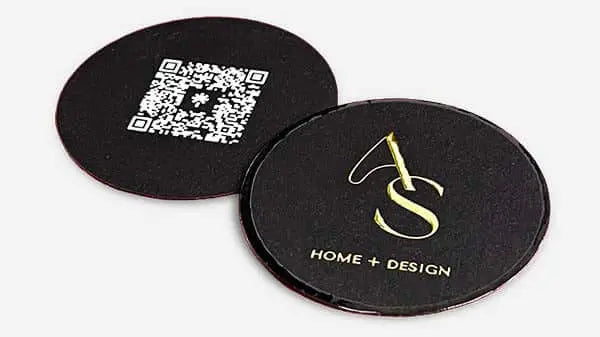
Think beyond traditional contact methods. Consider how your card can include QR codes digital links or unique identifiers that make following up not just easy but almost automatic.
Pro tip: Design your business card with multiple contact entry points to reduce potential barriers and increase the likelihood of future communication.
5. Supports Strategic Positioning Beyond Aesthetics
Your business card is more than a decorative piece of paper. It is a strategic communication tool that communicates your brand’s core values and competitive positioning in seconds. Strategic positioning research reveals that every design choice can signal your brand’s unique market approach.
Professional positioning goes far beyond visual appeal. It involves making deliberate choices that communicate your brand’s distinctive value proposition and competitive intelligence through subtle yet powerful design elements.
Strategic positioning manifests through several key design dimensions:
- Material selection that reflects brand sophistication
- Structural design communicating innovative thinking
- Color palette signaling brand personality
- Finish quality indicating professional standards
A well-designed business card transforms from a contact tool into a strategic brand ambassador.
Consider how your card’s physical attributes can communicate complex brand narratives. A technology startup might use sleek metallic cards suggesting cutting-edge innovation. A luxury consulting firm could opt for heavyweight cotton paper implying refined expertise.
The goal is creating a tactile experience that reinforces your brand’s strategic narrative without saying a word. Your business card becomes a silent yet powerful messenger of your professional identity.
Pro tip: Align every design element of your business card with your brand’s strategic positioning to create a cohesive and memorable professional impression.
6. Allows for Material, Structural, or Conceptual Differentiation
Business cards offer far more creative potential than standard rectangular paper rectangles. Creative business card designs demonstrate that material selection and structural innovation can transform a simple contact tool into a powerful brand communication medium.
Differentiation is not about being different for difference’s sake. It is about strategically choosing design elements that authentically represent your brand’s unique identity and professional approach.
Material and structural differentiation strategies include:
- Unconventional material choices like metal or wood
- Unique structural configurations such as fold or die-cut designs
- Conceptual representations of brand personality
- Innovative dimensional approaches beyond traditional rectangles
A business card becomes a three-dimensional brand narrative when designed with intention.
Immagine a sustainable architecture firm using recycled paper with embedded plant seeds. Or a technology startup presenting sleek metallic cards with laser-etched circuit board patterns. Each choice communicates a deeper brand story beyond basic contact information.
The key is understanding that your business card is not just an information carrier but a sensory brand experience that engages potential clients or partners through thoughtful design decisions.
Pro tip: Select materials and structural designs that not only reflect your brand’s core values but also spark curiosity and conversation.
7. Strengthens Professional Relationships Over Time
Professional relationships are not built in a single moment but through consistent meaningful interactions. Business relationship research reveals that physical touchpoints like business cards play a crucial role in nurturing long-term connections.
Your business card is more than a static piece of contact information. It serves as a tangible representation of your professional identity that continues to work long after your initial encounter.
Relationship-building mechanisms include:
- Persistent physical reminder of your professional connection
- Emotional memory trigger from initial exchange
- Subtle trust-building mechanism
- Ongoing communication catalyst
A well-designed business card becomes a bridge between momentary encounters and lasting professional relationships.
Professional networking transcends immediate transactions. When someone receives your card they are not just getting contact details they are establishing a potential pathway for future collaboration.
The exchange itself becomes a ritualistic moment of connection. Your card represents an invitation to continued dialogue a physical manifestation of potential professional synergy.
Pro tip: Include a personalized note or reference point on your card during exchange to transform a routine interaction into a memorable connection.
Below is a comprehensive table summarizing the significance and advantages of creatively designed business cards as discussed in the article.
| Aspect | Explanation | Impact |
|---|---|---|
| Enhancing Brand Memorability | Unique designs and materials engage multiple sensory pathways, leaving a lasting impression. | Improved recall of your brand among prospective clients. |
| Establishing Physical Connection | Physical texture and design quality evoke emotional and tactile engagement. | Affirms brand quality and reinforces professional interaction. |
| Competitive Differentiation | Breaks standard comparisons by introducing unconventional design elements. | Highlights your brand as innovative and unique. |
| Fostering Follow-Up Actions | Strategically designed cards enable easy communication and save contact details. | Encourages prompt re-engagement and builds professional connections. |
| Supporting Unique Brand Positioning | Material and design choices reflect core brand values and strategies. | Communicates professionalism and brand identity effectively. |
| Promoting Creativity and Sustainability | Incorporating innovative materials or conceptual designs. | Demonstrates brand ethos and garners interest. |
| Sustaining Professional Relationships | Provides a tangible representation of connections and serves as a memory trigger. | Strengthens long-term professional relations and trust. |
Transform Your Business Card into a Strategic Brand Asset
The article highlights how unique business cards do more than help you stand out They create lasting memories and spark meaningful connections for your brand. If you want to overcome the common challenge of blending into a stack of indistinguishable cards and instead make a refined, tactile impression that resonates with clients consider a custom design crafted with intention. By choosing materials and structures that mirror your brand ethos you convert your business card into a powerful tool for strategic positioning and follow-up engagement.
Experience the difference with premium options like our Custom Shaped Business Cards – BcardsCreation or explore our selection of Colored Paper Business Cards – BcardsCreation and Painted Edge Business Cards – BcardsCreation that bring unique textures and colors to your first impression.
Ready to elevate your networking game by turning your business card into a sophisticated brand ambassador Visit BcardsCreation now to collaborate on a tailor-made design that leaves a lasting impression and accelerates meaningful professional relationships. Don’t settle for ordinary when your card can be extraordinary.
Frequently Asked Questions
How do unique business cards enhance brand memorability?
Unique business cards create a lasting impression by engaging multiple senses and activating memory pathways. To make your brand memorable, focus on innovative designs and quality materials that reflect your brand’s personality.
What materials should I consider for my business card?
Consider unconventional materials like metal, wood, or textured paper that align with your brand identity. Choose a material that not only looks great but also feels distinctive to enhance tactile engagement with potential clients.
How can I design my business card to encourage follow-ups?
Incorporate design elements like QR codes or easy-to-read contact information that facilitate quick follow-ups. Aim for a layout that simplifies communication and prompts recipients to engage within the first few days after meeting.
What are the advantages of tactile elements in business cards?
Tactile elements in business cards create a physical connection that enhances emotional memory and brand perception. Enhance your design by selecting textures or finishes that align with your brand values, making it memorable by touch as well as sight.
How can I differentiate my business card from competitors?
Differentiate your business card by utilizing unique shapes, sizes, or interactive elements that disrupt conventional designs. Experiment with custom cuts or vivid colors to create a memorable experience that stands out in networking situations.
Recommended
- Top 8 Unique Business Card Solutions for 2026 – BcardsCreation
- Diamond Business Cards | Frosted Plastic | Custom shape card – BcardsCreation
- Fine Paper Double layered Business Card with Neon and Purple Foils, Th – BcardsCreation
- Acrylic Card Holder | Personalized Business Card Holder for Desk – BcardsCreation
- Vorteile individueller Geschenkideen für besondere Anlässe – Herzensprojekt Manufaktur


