

7 Best Business Card Formats for Luxury Brands
Over 90 percent of American luxury beauty brand owners understand that first impressions shape high-value relationships. In a market where every detail counts, even the precise format of your business card can set your brand apart from ordinary competitors. Choosing unique designs and premium materials signals a sophisticated approach, influencing both your positioning and customer engagement. Discover how perfecting business card sizing and style unlocks new opportunities for your American luxury brand.
Table of Contents
- 1. Standard vs Non-Standard Business Card Sizes
- 2. Horizontal or Vertical: Choosing the Right Layout
- 3. Custom Shapes and Die-Cut Formats Explained
- 4. Balancing Creativity and Practical Use
- 5. Classic Formats: When Tradition Wins
- 6. Considering Readability and Card Storage
- 7. Production Tips for Premium Materials and Finishes
Quick Summary
| Takeaway | Explanation |
|---|---|
| 1. Standard sizes enhance usability | Standard business card dimensions ensure compatibility with wallets and cardholders, making them easy to store and share. |
| 2. Layout impacts brand perception | Choose between horizontal for modern design and vertical for traditional professionalism, aligning orientation with brand identity. |
| 3. Creativity must balance functionality | Innovative card designs should not sacrifice usability; ensure readability and practical storage for effective communication. |
| 4. Quality materials elevate cards | Using premium materials and advanced finishing techniques conveys luxury and sophistication, enhancing the first impression. |
| 5. Prototyping tests design effectiveness | Always create prototypes to evaluate usability and recipient experience before final production, ensuring the design meets practical needs. |
1. Standard vs Non-Standard Business Card Sizes
Business card sizing is far more strategic than most professionals realize. While standard business card dimensions follow established international guidelines, luxury brands have unique considerations when selecting their card format.
The ISO standard business card measures 85.60 mm × 53.98 mm (3.370 in × 2.125 in), which ensures universal compatibility with wallets, cardholders, and standard storage systems. This standardized size provides predictability and convenience for recipients.
Why Size Matters for Luxury Brands
Non-standard sizes offer creative opportunities but come with potential drawbacks. A slightly larger or uniquely shaped card can make a powerful first impression, signaling your brand’s willingness to break conventional boundaries. However, practicality must balance creativity.
Key Considerations for Card Size Selection:
- Wallet Compatibility: Ensure your card fits standard card slots
- Scanner Readability: Maintain dimensions that work with digital scanning systems
- Brand Perception: Choose a size that reflects your luxury positioning
- Printing Feasibility: Consider production limitations with non-standard formats
Pro tip: When experimenting with non-standard sizes, always create a prototype to test real-world usability and recipient experience.
2. Horizontal or Vertical: Choosing the Right Layout
The orientation of your business card is more than just a design choice it is a strategic communication tool. Page orientation fundamentally impacts how information is perceived and processed by your audience.
Horizontal layouts offer a wider canvas that allows for broader visual storytelling and more expansive design elements. These formats feel more contemporary and can provide additional space for creative graphic treatments or extended contact information. They work particularly well for brands wanting to showcase portfolios or complex visual identities.
Key Advantages of Horizontal Layouts:
- More horizontal real estate for design elements
- Enhanced visual storytelling potential
- Modern and dynamic appearance
- Greater flexibility for graphic presentations
Vertical layouts maintain a more traditional and structured approach. These formats align closely with standard business card expectations and provide a clean compact presentation that fits seamlessly into wallets and cardholders. They communicate professionalism and adhere to conventional design principles.
Considerations for Layout Selection:
- Match orientation to brand personality
- Consider cultural design expectations
- Evaluate available design space
- Think about information hierarchy
Pro tip: Always create physical prototypes of both horizontal and vertical layouts to understand how they feel and function in real world interactions.
3. Custom Shapes and Die-Cut Formats Explained
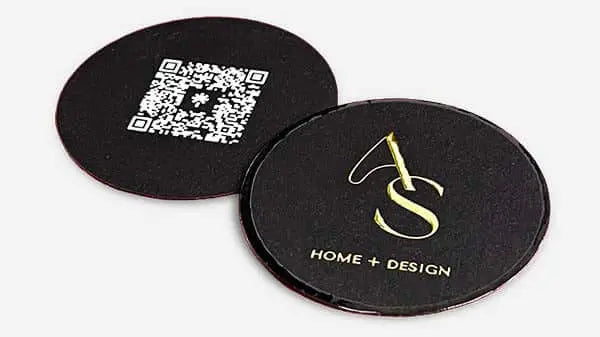
Custom business card shapes represent more than aesthetic innovation they are a strategic branding statement. Die-cutting enables precise material transformation that allows luxury brands to break free from traditional rectangular constraints.
Traditional rectangular business cards communicate predictability. Custom die-cut formats communicate creativity creativity that signals your brand refuses to blend into the background. By manipulating card edges precision cutting techniques can transform a simple piece of material into a sculptural representation of your brand identity.
Strategic Die-Cut Design Considerations:
- Maintain functional usability
- Reflect core brand visual language
- Ensure professional perception
- Balance creativity with practical storage needs
The die-cutting process involves creating specialized metal dies that slice through paper or plastic with extreme accuracy. Luxury brands can leverage this technique to produce cards with subtle rounded corners intricate silhouettes or even completely unique geometric forms that capture attention.
Potential Custom Shape Applications:
- Architectural outline inspired by brand headquarters
- Product silhouette mimicking signature offerings
- Symbolic geometric forms representing brand values
- Minimalist organic shapes suggesting innovation
Pro tip: Always create physical prototypes of custom shaped cards to verify how they feel interact and function in real world professional exchanges.
4. Balancing Creativity and Practical Use
Luxury brands walk a razor thin line between innovative design and functional utility. Human centered design principles reveal that true creativity emerges when aesthetic vision meets practical constraints.
Your business card is not merely a piece of paper it is a strategic communication tool. While radical design can capture attention innovative formats must still serve fundamental purposes storing contact information scanning efficiently and representing your brand professionally.
Design Trade-Off Considerations:
- Ensure card fits standard wallets
- Maintain readability for digital scanning
- Support smooth contact information exchange
- Reflect brand personality authentically
Creative business card design requires understanding user experience beyond visual appeal. A card shaped like your product might seem clever but becomes impractical if recipients cannot easily store or share it. The goal is to create a design that surprises without compromising functionality.
Practical Creativity Strategies:
- Subtle material texture variations
- Minimal edge modifications
- Strategic negative space usage
- Innovative yet standard dimensions
Pro tip: Prototype multiple design iterations and gather feedback from potential recipients to validate your creative business card concept before final production.
5. Classic Formats: When Tradition Wins
In the world of luxury branding sometimes the most powerful statement is understated elegance. Classic business card dimensions represent a timeless approach that communicates sophistication through restraint.
Traditional rectangular business cards measuring 3.5 by 2 inches remain the gold standard for professional communication. These standard formats offer universal compatibility ensuring your contact information can be seamlessly stored shared and referenced across diverse professional environments.
Advantages of Traditional Formats:
- Universal wallet compatibility
- Easy digital scanning
- Global recognition
- Professional standardization
- Minimal friction during exchanges
Classic formats communicate an understanding of professional norms while allowing subtle refinements through premium materials exceptional print quality and thoughtful design details. The rectangular shape becomes a canvas for expressing brand identity without sacrificing fundamental functionality.
Strategic Considerations for Classic Designs:
- Select heavyweight paper stocks
- Incorporate subtle textural elements
- Use precise typography
- Leverage minimalist color palettes
- Emphasize material quality over gimmicks
Pro tip: Invest in exceptional print quality and material selection rather than unconventional shapes to differentiate your business card within traditional formats.
6. Considering Readability and Card Storage
A business card’s ultimate purpose is communication convenience. Readability standards directly impact how effectively your contact information is processed and remembered.
Optimal business card design balances visual appeal with functional clarity. This means creating a layout that allows recipients to extract critical information quickly without cognitive strain while ensuring the card can be effortlessly stored and retrieved.
Critical Readability Factors:
- High contrast text colors
- Sufficient white space
- Clean typography
- Logical information hierarchy
- Minimum font size of 8 points
Storage compatibility remains equally important. A beautifully designed card becomes useless if it cannot fit standard wallets or cardholders. Luxury does not mean compromising practicality luxury means thoughtful design that anticipates user needs.
Storage Optimization Strategies:
- Maintain standard 3.5 by 2 inch dimensions
- Use flexible yet durable materials
- Consider rounded corners for smoother edges
- Ensure card thickness supports easy insertion
Pro tip: Create multiple prototypes and test your business card design with actual users to validate both readability and storage functionality.
7. Production Tips for Premium Materials and Finishes
Luxury business card production transforms basic materials into sensory brand experiences. Print production standards reveal the intricate science behind creating truly exceptional business cards.
Material selection represents the foundational layer of premium card design. High end substrates such as cotton paper textured stock or specialized synthetic materials communicate sophistication before a single design element is applied.
Premium Material Considerations:
- Select heavyweight paper stocks
- Explore tactile surface variations
- Consider multi layered constructions
- Prioritize archival grade materials
- Evaluate environmental sustainability
Finishing techniques elevate basic materials into extraordinary brand statements. Techniques like foil stamping embossing and spot UV varnishing create multisensory interactions that transform a simple card into a memorable tactile experience.
Advanced Finishing Techniques:
- Real metallic foil applications
- Raised ink and texture elements
- Holographic accent treatments
- Soft touch lamination
- Precision die cutting
Pro tip: Request physical material samples and proofs to evaluate texture color and finish quality before committing to full production.
Below is a comprehensive table summarizing the key points and considerations discussed throughout the article regarding business card design and production strategies.
| Aspect | Overview | Considerations |
|---|---|---|
| Standard Sizes | ISO standard is 3.370 in × 2.125 in, ensuring compatibility with wallets and scanners. | Provides predictability and ease of use. |
| Non-Standard Sizes | Creative unique sizes make a strong impression but require careful practicality balancing. | Ensure usability, like wallet compatibility and scanner readability. |
| Orientation Options | Horizontal cards offer broader designs; vertical cards reflect tradition and professionalism. | Match orientation to brand personality and design needs. |
| Custom Shapes & Die-Cuts | Die-cut techniques offer precise unique shapes enhancing branding impact. | Maintain practicality, professional perception, and reflect brand identity. |
| Traditional Formats | Classic cards, 3.5 × 2 inches, ensure broad compatibility and are cost-effective. | Invest in high-quality materials and subtle design refinements to distinguish within this format. |
| Readability & Storage | Prioritize clear communication and usability in wallets and organizers. | Leverage high-contrast text, clean typography, and maintain standard dimensions. |
| Premium Material Selection | Luxurious options include textured stocks, synthetic materials, and sustainable solutions. | Weight, texture, and finish should enhance the brand’s message while maintaining cost-effectiveness. |
| Advanced Finishing | Techniques like embossing and foiling create memorable tactile experiences. | Evaluate prototypes before full production. |
Elevate Your Brand With Expertly Crafted Luxury Business Cards
Choosing the perfect business card format is crucial to conveying sophistication and standing out in a competitive market. This article highlights the challenge luxury brands face balancing creativity, functionality, and brand perception through thoughtful card sizing, layout, and finishing techniques. If you aim to transform your business card into a strategic branding tool that blends innovative design with practical usability, explore premium options crafted for discerning professionals.
Discover our collection of Custom Shaped Business Cards – BcardsCreation and Textured Paper Business Cards – BcardsCreation where expert design meets luxurious materials.
Don’t settle for ordinary. Partner with BcardsCreation to create fully custom, small-batch business cards that leave a lasting impression and reflect your unique brand identity. Act now to secure your personalized consultation and elevate your professional presence with a premium business card that speaks volumes.
Frequently Asked Questions
What size should I choose for a luxury business card?
Choosing a size that allows for wallet compatibility is crucial. The standard size of 3.5 by 2 inches is universal and ensures ease of storage. Consider creating a prototype to test how it fits in various wallets.
How does the layout orientation affect my luxury business card?
The layout orientation, whether horizontal or vertical, impacts how information is presented. A horizontal layout offers more design space and feels modern, while vertical maintains a classic appearance. Test both layouts with prototypes to see which better aligns with your brand identity.
What are the benefits of using custom shapes for business cards?
Custom shapes can serve as a bold branding statement and help your card stand out. However, ensure that the unique shape still allows for practical usability and storage. Plan to create a few prototypes to evaluate the balance between creativity and functionality.
How do readability standards impact the design of luxury business cards?
Readability is essential for ensuring that your contact information is easily processed by recipients. Ensure high contrast, clean typography, and logical information hierarchy to achieve optimal clarity. Test your design with actual users to get feedback on its readability.
What materials should I consider for producing premium business cards?
Select heavyweight paper stocks and explore various textures to create a luxurious feel. High-quality materials not only assert your brand’s sophistication but also enhance the tactile experience. Always request material samples before final production to confirm quality and look.
How can I integrate advanced finishing techniques into my luxury business cards?
Incorporate techniques like foil stamping or embossing to elevate your business card’s presence. These finishing touches can create memorable interactions that reflect luxury. Plan for at least a few iterations to test the effectiveness of different finishes before finalizing your design.
Recommended
- Diamond Business Cards | Frosted Plastic | Custom shape card – BcardsCreation
- Raised Foil Business Cards | Thick Double-layered Art Paper – BcardsCreation
- Thick WHITE VELVET Multilayer Business cards Blind Debossing – BcardsCreation
- SHIMMER Business Card | Silver Gold Holographic Foil Stamped – BcardsCreation
- Business Setup in Dubai | New Company Formation in Dubai


