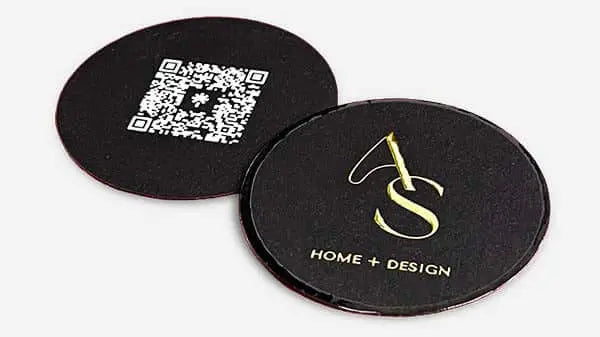


Business Card Design Is Brand Engineering
Standing out in the luxury beauty market means more than beautiful packaging. For American brand owners, the difference between a decorative business card and a strategically engineered design can shape how clients perceive exclusivity and professionalism. Strategic business card design transforms each element into a purposeful signal, aligning with brand values and creating a memorable touchpoint. Discover how brand engineering turns a simple card into a premium branding asset that communicates sophistication long before the first conversation.
Table of Contents
- Business Card Design Versus Decoration
- Brand Systems In Business Card Engineering
- Strategic Role Of Business Cards In Branding
- Professional Expertise In Design-Driven Solutions
- Risks Of Superficial Aesthetics For Luxury Brands
Key Takeaways
| Point | Details |
|---|---|
| Strategic Design vs. Decoration | Business card design should focus on strategic communication rather than just aesthetics, turning a card into an effective brand ambassador. |
| Brand Systems | A well-designed business card reflects an organization’s core identity through consistent visual elements that communicate professionalism and values. |
| Interactive Engagement | Modern business cards are evolving to include interactive features that create memorable experiences, bridging physical and digital communication. |
| Risk of Superficiality | For luxury brands, shallow design choices can erode brand credibility and exclusivity, emphasizing the need for a sophisticated and authentic visual strategy. |
Business card design versus decoration
Business card design transcends mere decoration. It represents strategic brand engineering — a deliberate system of visual communication that transforms a simple piece of paper into a powerful positioning tool. Unlike decorative approaches that prioritize aesthetic embellishments, strategic design integrates every design element as a purposeful brand signal.
The core distinction emerges in intentionality. Decorative business cards focus on surface-level beauty, selecting colors, textures, and graphics that look appealing. By contrast, engineered design approaches systematically extract and communicate brand identity through carefully curated visual languages.
Key differentiators between decoration and design include:
- Strategic message hierarchy
- Calculated visual weight distribution
- Precise typography selection
- Deliberate material choices
- Consistent brand narrative alignment
Professional design transforms business cards from passive objects into active brand ambassadors. Each design choice becomes a carefully calculated communication strategy, communicating complex organizational narratives through nuanced visual cues.
Pro tip: Approach your business card design as a strategic communication tool, not just a contact information carrier.
Here’s a comparison that highlights the difference between decorative and engineered business card approaches:
| Approach Type | Purposeful Communication | Visual Strategy | Branding Impact |
|---|---|---|---|
| Decorative Design | Focuses on aesthetics only | Random, surface-level | Low brand reinforcement |
| Engineered Design | Delivers strategic messaging | Calculated, structured | Strong brand positioning |
Brand systems in business card engineering
Brand systems transform business cards from simple contact vehicles into sophisticated communication platforms. Every design element becomes a strategic signal, carefully calibrated to communicate an organization’s core identity, values, and professional positioning. Unlike generic printing, brand engineering demands a holistic approach where visual components work synergistically.

These engineered systems leverage psychological design principles to create deliberate sensory experiences. Color psychology, typography selection, and spatial relationships are not random choices but calculated decisions that trigger specific emotional responses and reinforce brand perception.
Key components of effective brand systems include:
- Consistent color palette alignment
- Typography that reflects brand personality
- Strategic negative space utilization
- Precision in visual hierarchy
- Thoughtful material selection
- Seamless integration of brand narrative
Professional brand engineering requires understanding that business cards are more than physical artifacts. They are miniature brand manifestos, condensing complex organizational identities into compact, memorable visual experiences that communicate professionalism, expertise, and unique positioning.
Pro tip: Treat your business card design as a strategic communication tool that speaks volumes before a single word is exchanged.
Strategic role of business cards in branding
Business cards transcend traditional contact information exchange, emerging as powerful brand ambassadors that communicate organizational identity in a single tactile interaction. These compact communication vehicles represent far more than printed media — they are strategic instruments of brand positioning, delivering nuanced messaging through carefully engineered design choices.
First impressions in professional contexts are critically shaped by these compact brand representations. A well-designed business card communicates professionalism, attention to detail, and organizational values within seconds of initial contact, establishing credibility before a single word is spoken.
Key strategic dimensions of business cards include:
- Tangible brand extension
- Nonverbal communication tool
- Personal connection catalyst
- Professional credibility indicator
- Sensory brand experience
- Memory retention mechanism
Modern business cards have evolved beyond static information carriers. They now function as interactive brand platforms that bridge physical and digital communication landscapes, integrating technologies like augmented reality to create more dynamic engagement experiences. The strategic intent is no longer just information transfer, but creating memorable brand interactions that resonate long after the initial encounter.
Pro tip: Design your business card as a miniature brand narrative that communicates your professional identity before you speak a single word.
Professional expertise in design-driven solutions
Professional expertise transforms business card design from a transactional process into a sophisticated brand communication strategy. Design-driven solutions require far more than technical skill — they demand a comprehensive understanding of brand psychology, visual communication principles, and strategic positioning techniques that elevate business cards beyond mere contact information.
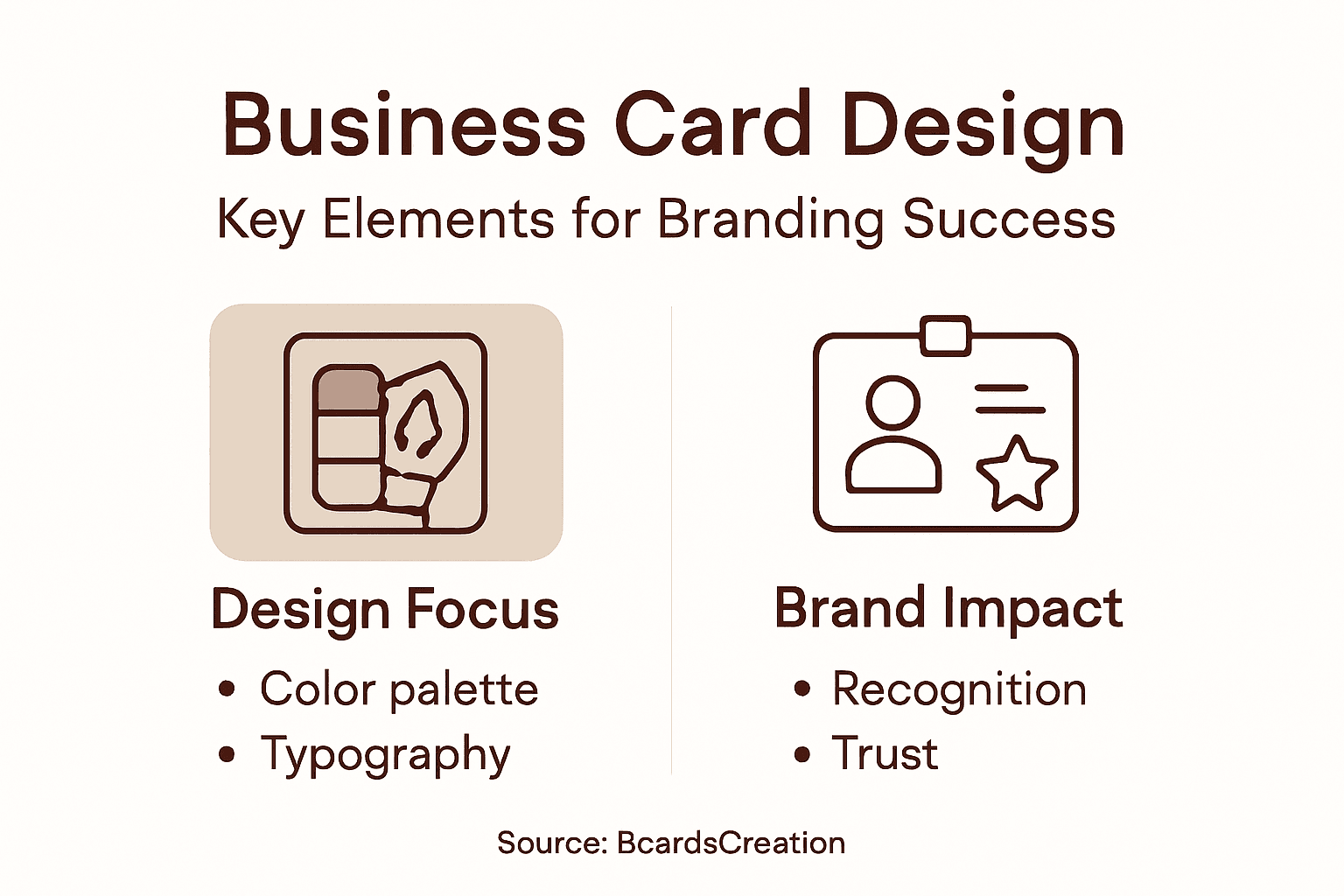
Advanced design techniques enable the creation of personalized communication artifacts that precisely reflect organizational identity. Expert designers understand how every microscopic design choice — from typography weight to material texture — communicates complex narratives about professional credibility and brand personality.
Key elements of professional design expertise include:
- Deep brand understanding
- Strategic visual communication skills
- Comprehensive design thinking
- Technological integration capabilities
- Nuanced material knowledge
- Cross-disciplinary design approach
Modern design-driven solutions go beyond aesthetic considerations, integrating technological innovations like augmented reality and interactive elements. These approaches transform business cards from static objects into dynamic brand experiences, bridging physical and digital communication landscapes with precision and creativity.
Pro tip: Invest in design expertise that understands your brand as a complex, multidimensional communication system, not just a visual identity.
Risks of superficial aesthetics for luxury brands
Superficial aesthetics represent a profound strategic risk for luxury brands, transforming potentially powerful communication tools into hollow visual artifacts. Brand credibility hinges on design decisions that transcend mere decorative impulses, demanding a holistic approach that communicates depth, authenticity, and sophisticated brand narrative.
Sophisticated design elements are critical in maintaining the delicate ecosystem of luxury brand perception. Aesthetic choices that appear trendy or generic can rapidly erode the carefully constructed brand identity, signaling a lack of genuine understanding of the brand’s core values and market positioning.
Key risks of superficial design include:
- Diminished brand perceived value
- Erosion of consumer trust
- Loss of competitive differentiation
- Undermining brand exclusivity
- Reduced emotional connection
- Weakened professional credibility
Luxury brands must recognize that design is not decoration, but a complex communication system. Every visual element — from material selection to typographic nuance — functions as a strategic signal communicating organizational sophistication, attention to detail, and commitment to excellence. Superficial approaches that prioritize momentary visual appeal over substantive brand storytelling ultimately compromise the brand’s most valuable asset: its perceived value.
Pro tip: Treat your business card design as a strategic communication instrument, not a decorative accessory.
To clarify the risks and benefits for luxury brands, here’s a summary table:
| Design Depth | Impact on Brand Value | Client Perception | Market Differentiation |
|---|---|---|---|
| Superficial Aesthetics | Weakens brand authenticity | Perceived as generic | Erodes exclusivity |
| Sophisticated Design | Strengthens brand narrative | Seen as premium | Enhances distinctiveness |
Elevate Your Brand With Business Card Engineering
If you understand that business card design is true brand engineering rather than just decoration then you know the power of strategic messaging, deliberate material choices, and expert typography. At BcardsCreation we specialize in transforming your business cards into precise communication tools that reflect your brand’s personality and position you as a credible professional. Our Letterpress Business Cards and Custom Shaped Business Cards combine advanced materials and design-driven solutions to engage your clients with every tactile detail.
Don’t settle for superficial aesthetics that weaken your brand. Visit BcardsCreation’s collection of premium business cards now to start your journey toward a strategic business card that speaks volumes before you do. Act today to leverage a custom-crafted design that reinforces your brand narrative and leaves a lasting impression.
Frequently Asked Questions
What is the difference between business card design and decoration?
Business card design focuses on strategic brand engineering, integrating visual elements to communicate a brand’s identity. In contrast, decoration prioritizes aesthetics without conveying intentional messaging.
How can a well-designed business card impact my professional image?
A well-designed business card serves as a powerful brand ambassador, communicating professionalism and attention to detail, and establishing credibility within seconds of initial contact.
What are key elements of effective business card design?
Key elements include a consistent color palette, appropriate typography, effective use of negative space, precise visual hierarchy, and thoughtful material selection that align with the brand’s narrative.
Why is superficial aesthetics risky for luxury brands?
Superficial aesthetics can diminish brand value, erode consumer trust, and undermine exclusivity, ultimately compromising the brand’s perceived value and strategic messaging.
Recommended
- Top 8 Unique Business Card Solutions for 2026 – BcardsCreation
- Acrylic Card Holder | Personalized Business Card Holder for Desk – BcardsCreation
- Letterpress Business Card with full color print and real foil Rose Gol – BcardsCreation
- Diamond Business Cards | Frosted Plastic | Custom shape card – BcardsCreation
- Why AI-Generated Logos Are a Bad Idea for Your Brand and Apparel – Custom T-Shirts and Printed Merch in Utah | Pulse Merch


