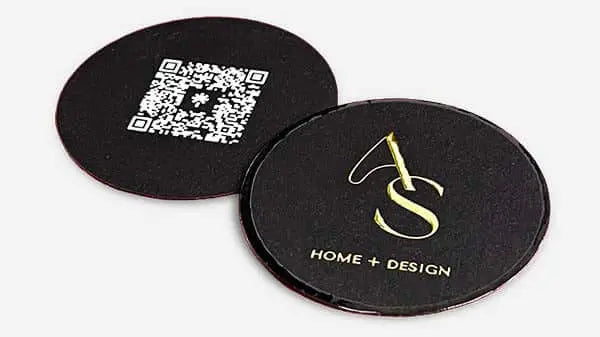


Why Business Cards Still Matter in Beauty Industry
Finding the right business card can feel overwhelming for American beauty salon owners and stylists who want to make a lasting impression. A business card is much more than a contact tool; it serves as a professional brand statement that communicates your unique style and expertise in an instant. This guide shows how premium, custom designs can help your salon stand out, attract ideal clients, and strengthen your reputation for quality and artistry.
Table of Contents
- Defining The Modern Beauty Business Card
- Personal Branding Through Physical Cards
- Real-World Value In Appointments And Referrals
- Aligning Design With Brand Tone And Service
- Avoiding Common Business Card Mistakes
Key Takeaways
| Point | Details |
|---|---|
| Importance of Design | Effective business card design reflects a beauty professional’s aesthetic and style, creating a lasting impression. |
| Strategic Material Choice | The material and texture of a business card communicate the quality and approach of services offered. |
| Tactile Impact | Physical cards provide a tangible connection that digital communications often lack, enhancing client recall and engagement. |
| Avoid Common Mistakes | Maintaining clarity and consistency in design is crucial to convey professionalism and attract potential clients effectively. |
Defining the Modern Beauty Business Card
In the beauty industry, a business card is far more than a simple contact exchange tool. It represents a professional brand statement and tactile representation of your aesthetic expertise. These small printed canvases communicate not just professional details, but the sensibility and quality of your personal beauty approach.
Modern beauty business cards distinguish themselves through strategic design choices that reflect precision and creativity. Key characteristics include:
- Minimal, clean typography showing professional confidence
- Texture and material selections that mirror salon or stylist aesthetic
- Color palettes reflecting personal or brand identity
- Strategic white space demonstrating sophistication
The physical card becomes an extension of a beauty professional’s personal brand. Unique business card solutions communicate visual storytelling beyond mere contact information. A transparent or frosted plastic card might suggest modern, sleek styling approaches, while a textured paper could signal artisanal, personalized services.
Professional beauty practitioners understand that first impressions are visual and tactile. A well-designed business card serves as a micro-portfolio, offering potential clients an immediate glimpse into your professional standards and aesthetic sensibilities.
Pro tip: Select business card materials and designs that directly reflect the specific beauty services and client demographic you target.
Here’s a comparison of popular beauty business card materials and their branding effects:
| Material Type | Visual Appeal | Tactile Experience | Brand Message |
|---|---|---|---|
| Frosted Plastic | Sleek, modern look | Smooth, cool surface | Innovative and on-trend |
| Textured Heavyweight | Rich color depth | Substantial, luxurious feel | Premium, personalized craftsmanship |
| Matte Paper | Soft, understated finish | Non-glossy, easy to write on | Approachable, minimalist chic |
| Metallic Foil Accents | Eye-catching shine | Smooth with raised metallic detail | Glamorous, detail-oriented professionalism |
Personal Branding Through Physical Cards
Personal branding in the beauty industry transcends digital platforms, with physical business cards serving as critical tactile extensions of professional identity. These compact marketing tools communicate far more than basic contact information—they represent a stylist’s aesthetic philosophy, technical expertise, and unique professional approach.
Successful beauty professionals leverage business cards as strategic personal branding instruments through several key techniques:
- Creating design elements that reflect individual style
- Selecting materials that communicate professionalism
- Incorporating visual hints about specialized services
- Developing a cohesive visual language across professional materials
Transparent instagram cards offer an innovative approach to showcasing personal brand creativity. A minimalist, translucent card can signal modern sensibilities, while a textured, heavyweight paper might communicate traditional craftsmanship and attention to detail.
The psychology of physical cards remains powerful in an increasingly digital world. Potential clients form immediate impressions based on texture, weight, design, and print quality. A well-crafted card becomes a tangible representation of professional standards, suggesting the same level of precision and care a client might expect during a beauty service.
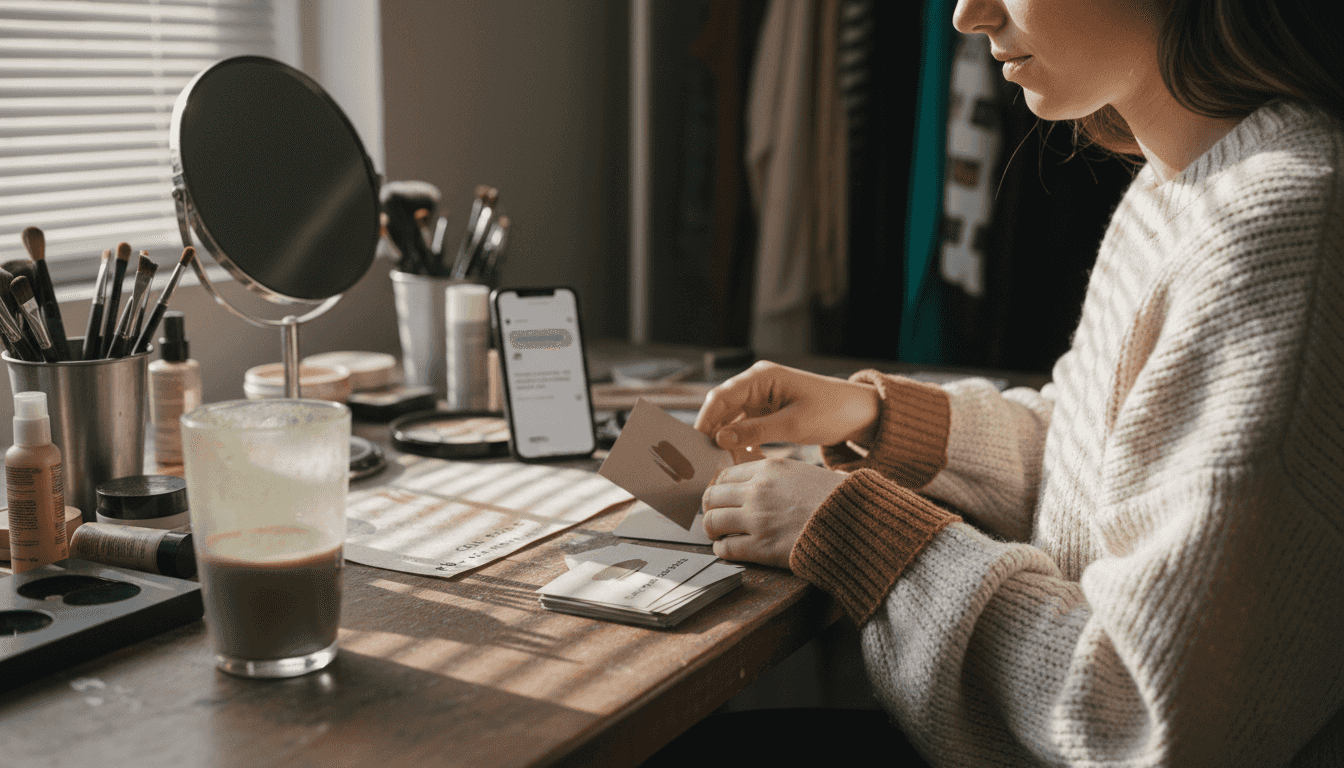
Moreover, business cards create lasting physical connections in an era of fleeting digital interactions. When exchanged during consultations or networking events, they provide a memorable, physical touchpoint that digital communication cannot replicate.
Pro tip: Invest in business card design that authentically represents your unique aesthetic and professional positioning.
Real-World Value in Appointments and Referrals
In the beauty industry, professional credibility extends far beyond digital portfolios and social media presence. Business cards serve as powerful tools for facilitating real-world connections, transforming casual interactions into potential appointments and robust referral networks.
Successful beauty professionals leverage business cards strategically during client interactions through several key approaches:
- Creating memorable first impressions during initial consultations
- Providing immediate contact information for easy follow-up
- Establishing professional legitimacy and personal brand
- Enabling seamless referral processes among professional networks
Marble business cards represent an innovative approach to making lasting professional impressions. When a stylist exchanges a high-quality, meticulously designed card during an appointment, it communicates attention to detail and commitment to professional excellence.
The physical exchange of business cards creates a tangible moment of connection that digital communication cannot replicate. Clients who receive a well-designed card are more likely to remember the interaction, recommend the service to others, and feel a sense of personal connection with the beauty professional.
Moreover, business cards function as silent ambassadors of professional reputation. In networking events, professional gatherings, and client consultations, these compact marketing tools communicate volumes about a beauty professional’s personal brand, aesthetic sensibility, and commitment to quality.
Pro tip: Design business cards that not only provide contact information but also reflect the unique aesthetic and professional standards of your beauty services.
Aligning Design With Brand Tone and Service
In the competitive beauty industry, a business card design is more than a contact information vehicle—it’s a strategic extension of professional identity. Each design element must intentionally communicate the specific aesthetic, service approach, and brand personality of the beauty professional.
Successful brand alignment through business card design involves multiple critical considerations:
- Matching color palette to service specialization
- Selecting typography that reflects professional personality
- Incorporating visual elements that suggest service style
- Ensuring consistency with other marketing materials
- Communicating premium or accessible positioning
Instagram business cards demonstrate how innovative design can transform a simple card into a powerful brand communication tool. A minimalist, translucent card might signal contemporary aesthetic services, while a textured, heavyweight paper could indicate traditional, high-end beauty treatments.
The psychological impact of design choices cannot be overstated. Potential clients unconsciously interpret design elements as indicators of professional quality, attention to detail, and service approach. A sleek, modern card suggests cutting-edge techniques, while a more ornate design might communicate classic, personalized service.
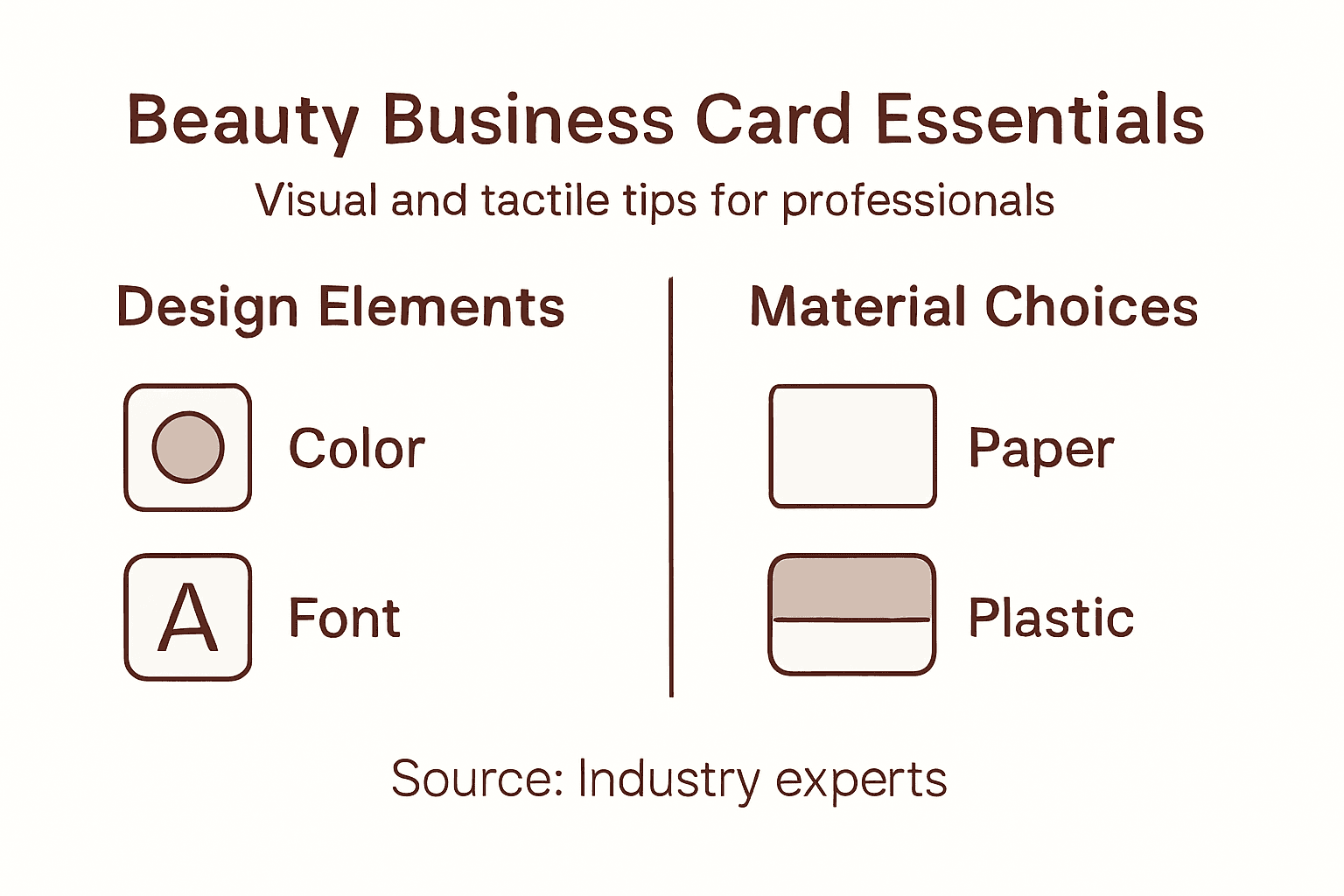
Every design decision—from paper texture to color gradient—serves as a silent communicator of professional philosophy. Beauty professionals must view their business cards as miniature brand manifestos, carefully crafted to attract their ideal client demographic and reflect their unique professional narrative.
Pro tip: Develop a business card design that serves as a visual microcosm of your specific beauty service aesthetic and professional personality.
Use this table to align your business card design with your target services:
| Beauty Service Focus | Best Design Feature | Suggested Card Palette |
|---|---|---|
| High-End Salon | Embossed textures | Black, gold, or deep jewel tones |
| Trendy Urban Stylist | Transparent elements | Silver, white, clear |
| Organic/Natural Services | Recycled papers | Earth tones, soft greens |
| Bridal/Wedding Specialist | Script typography | Pastels, soft blush, ivory |
Avoiding Common Business Card Mistakes
In the beauty industry, professional credibility hinges on meticulous details. Business cards represent a critical first impression, and seemingly minor design errors can significantly undermine a stylist’s professional image and potential client relationships.
Common business card mistakes beauty professionals frequently encounter include:
- Overcrowding contact information
- Using inappropriate or inconsistent fonts
- Selecting low-quality printing materials
- Neglecting brand consistency
- Including outdated or irrelevant contact details
- Failing to highlight unique service offerings
Top business card solutions demonstrate that professional design is about strategic simplicity. A cluttered card suggests disorganization, while a clean, purposeful design communicates professional confidence and attention to detail.
Design mistakes often stem from attempting to include too much information or trying to showcase every potential service. Professional beauty practitioners should recognize that a business card functions as a sophisticated introduction, not an exhaustive portfolio. The most effective cards create curiosity and invite further conversation, rather than overwhelming potential clients with excessive details.
The psychology of design matters profoundly. Potential clients unconsciously evaluate professionalism through visual presentation, making each design choice a critical strategic decision. A poorly designed card can suggest a lack of expertise, while a thoughtfully crafted card becomes a powerful marketing tool that extends professional reputation.
Pro tip: Treat your business card as a refined, strategic communication tool that represents your professional brand with intentional, minimalist elegance.
Elevate Your Beauty Brand With Business Cards That Truly Reflect Your Professionalism
The beauty industry demands business cards that speak volumes about your unique style and attention to detail. If you are grappling with how to create a tangible, lasting impression that aligns perfectly with your personal brand, consider how the right materials and design elevate your professional presence. From texture choices that convey premium craftsmanship to modern shapes that embody innovation, your card is more than contact information — it is an extension of your aesthetic philosophy.
Discover how Textured Paper Business Cards – BcardsCreation combine tactile luxury with clean design to showcase your commitment to quality. Explore creative options like Custom Shaped Business Cards – BcardsCreation that break away from the ordinary. Do not let a generic card undermine your brand. Visit BcardsCreation today and partner with specialists who craft custom, small-batch business cards designed to position you as a leader in the beauty industry. Take the next step in making powerful first impressions that transform appointments and referrals.
Frequently Asked Questions
Why are business cards important in the beauty industry?
Business cards serve as a tactile representation of a beauty professional’s brand, communicating not just contact information but also the stylist’s aesthetic and quality of services.
What design elements should I consider for a beauty business card?
Key design elements include color palettes that reflect your brand identity, typography that shows professionalism, and textures that align with your service offerings.
How can a business card enhance my personal branding as a beauty professional?
A well-designed business card acts as a micro-portfolio, showcasing your skills and aesthetic sensibilities, ultimately leaving a lasting impression on potential clients.
What common mistakes should I avoid when creating my beauty business card?
Avoid overcrowding the card with information, using inconsistent fonts, neglecting brand consistency, and including outdated contact details, as these can undermine your professional image.


