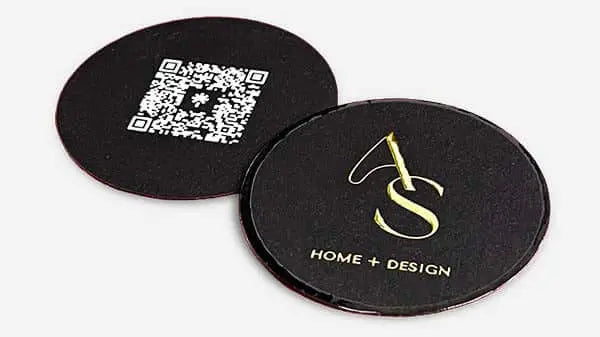


Business Cards as Brand Signals: Elevate Luxury Identity
Every luxury brand founder knows the instant someone holds their business card, a powerful impression is formed. In fiercely competitive American markets, business cards are more than basic introductions—they are sophisticated brand signals that broadcast your commitment to quality and distinction. By focusing on exceptional materials and precise design, you create a meaningful moment of engagement, transforming every exchange into an opportunity to reinforce your brand’s unique narrative and credibility.
Table of Contents
- Business Cards Redefined as Brand Signals
- Distinguishing Luxury Cards from Standard Designs
- Material and Design Choices Shape Perception
- Business Cards in High-End Networking
- Brand Risks of Undervalued Business Cards
Key Takeaways
| Point | Details |
|---|---|
| Business Cards as Brand Signals | Business cards now serve as strategic communication tools that reflect an organization’s identity and values. Material and design choices signal professionalism and creativity. |
| Differences Between Standard and Luxury Cards | Luxury business cards utilize premium materials and advanced printing techniques, creating a memorable sensory experience that communicates brand sophistication. |
| Impact of Material and Design on Perception | Tactile qualities, color psychology, and typography significantly shape how recipients perceive a brand’s professional identity and values. |
| Risks of Poor Design | Neglecting the quality of business cards can damage brand credibility, suggesting carelessness and potentially driving away discerning clients. |
Business Cards Redefined as Brand Signals
Business cards have transformed from simple contact repositories into sophisticated brand signaling mechanisms. No longer mere paper rectangles with contact details, they now serve as strategic communication tools that communicate an organization’s core identity, values, and professional positioning.
At their core, business cards represent a physical manifestation of brand promise. They are tactile representations of organizational character, designed to create immediate visual and sensory impressions. Sophisticated brands understand that every material choice, design element, and finish communicates subtle messages about their professionalism, creativity, and attention to detail. A heavyweight cotton paper with letterpress printing signals understated luxury, while a translucent plastic card with laser etching suggests technological innovation.
The psychological impact of business cards extends far beyond basic information exchange. Sensory engagement plays a critical role in brand perception. When a potential client or partner receives a meticulously crafted card, they are experiencing a multisensory brand interaction. The weight, texture, printing quality, and design all contribute to forming subconscious impressions about the brand’s quality and credibility.
Professional brand strategists recognize business cards as precision instruments of non-verbal communication. They are not just introductory tools but strategic brand signals that can differentiate an organization in competitive markets.
Pro tip: Invest in business cards that reflect your brand’s unique narrative, choosing materials and design elements that communicate your professional essence beyond standard contact information.
Distinguishing Luxury Cards from Standard Designs
Luxury business cards transcend conventional printing by embracing fine-art craftsmanship and premium materials. Unlike mass-produced designs, these cards represent a deliberate statement of brand sophistication, where every detail communicates exclusivity and refined professionalism.
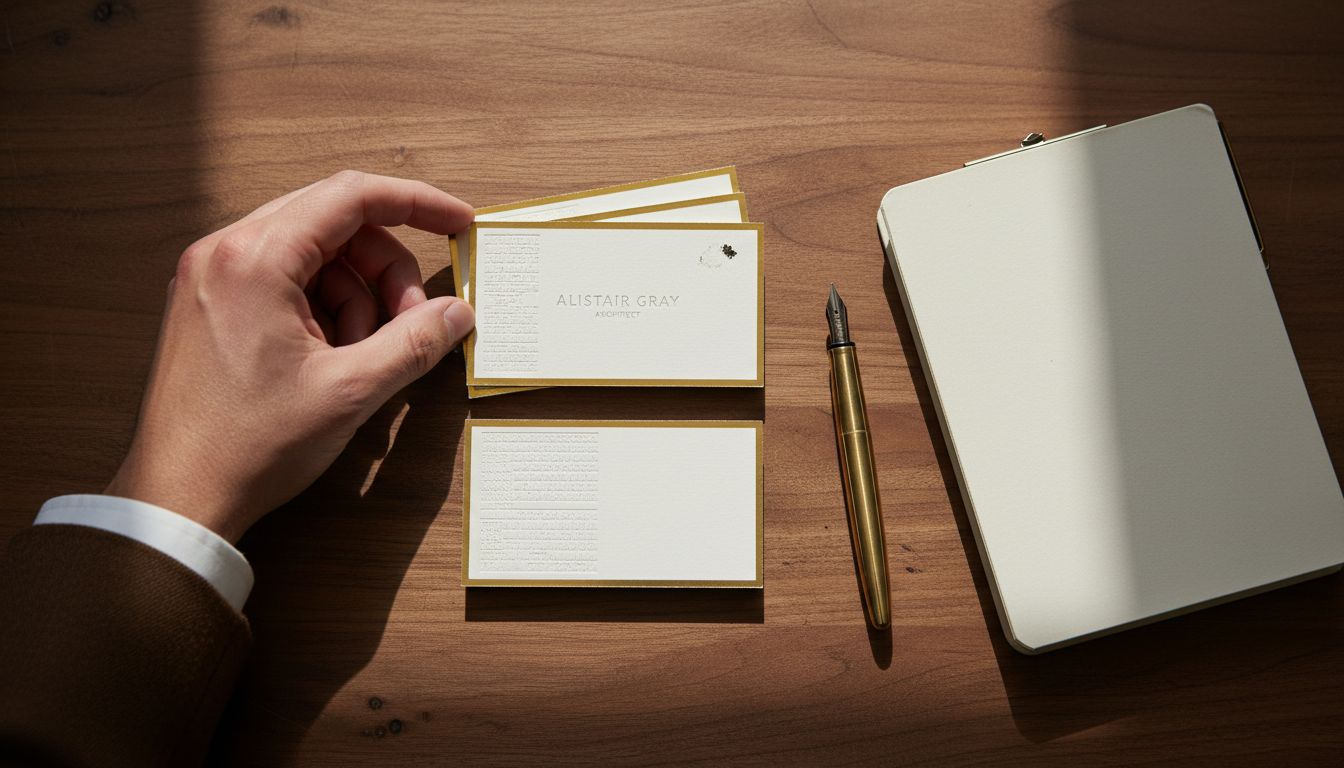
The fundamental distinctions between standard and luxury business cards emerge through material selection, design complexity, and production techniques. Standard cards typically use basic paper stock with digital printing, while luxury cards leverage exceptional materials like cotton papers with 600-800 GSM weight, specialty textured surfaces, and advanced printing methods such as letterpress, blind embossing, and metallic foil applications. Tactile quality becomes a critical differentiator, transforming the business card from a simple information carrier to a sensory brand experience.
Material innovation represents another key dimension of luxury card design. Brands can select from extraordinary substrates including translucent plastics, metal composites, wood veneer, and multilayered papers that provide depth and architectural complexity. These unconventional materials signal creativity, technological sophistication, and a willingness to invest in brand presentation. Each unique material choice communicates a nuanced narrative about the organization’s values, creativity, and commitment to exceptional design.
Professional designers understand that luxury business cards function as silent brand ambassadors. They are not merely contact repositories but strategic communication instruments that convey positioning, personality, and professional ethos through carefully curated sensory experiences.
Pro tip: Select business card materials and design elements that authentically reflect your brand’s unique personality, understanding that each design choice communicates a sophisticated story about your professional identity.
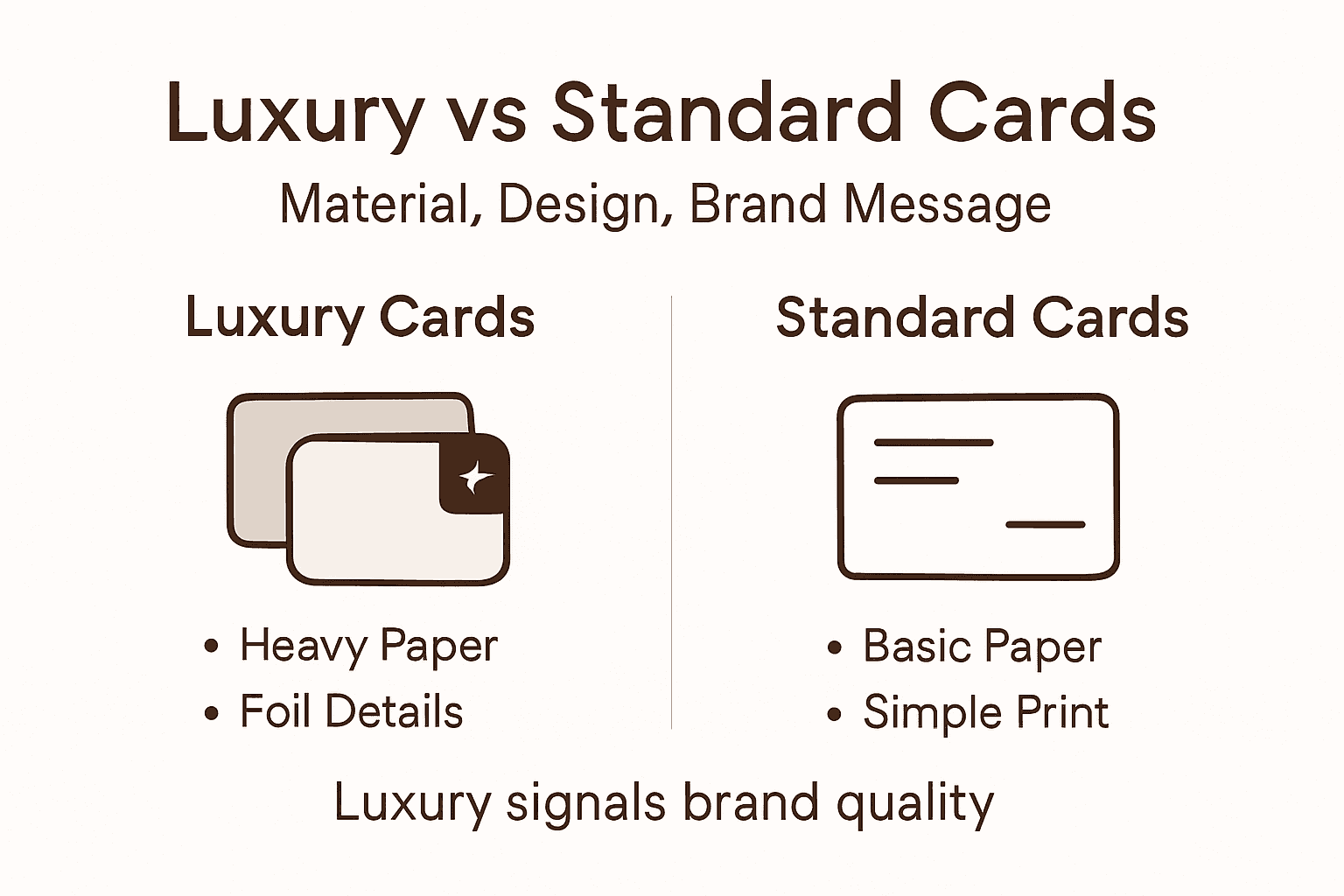
Here’s a quick comparison of standard versus luxury business cards to highlight their strategic differences:
| Aspect | Standard Business Card | Luxury Business Card |
|---|---|---|
| Material Quality | Basic paper stock | Premium cotton, metal, wood, plastic |
| Printing Technique | Digital or offset | Letterpress, foil, embossing |
| Sensory Experience | Minimal; light and flat | Rich; heavy and textured |
| Brand Signaling | Basic professionalism | Distinctive brand sophistication |
| Impact on Networking | Easy to overlook | Memorable; starts conversations |
Material and Design Choices Shape Perception
Luxury brands understand that material selection profoundly influences consumer perceptions. Every design choice communicates a sophisticated narrative about brand identity, transforming business cards from mere contact tools into strategic sensory experiences.
The psychological impact of material selection extends far beyond visual aesthetics. Tactile dimensions play a critical role in brand perception, with different textures and weights triggering specific emotional responses. Heavyweight cotton papers suggest gravitas and tradition, metallic finishes communicate innovation, while soft-touch materials convey approachability and modern elegance. These nuanced material choices create subconscious impressions that shape how potential clients and partners interpret a brand’s professional identity.
Color psychology and design elements further amplify the communicative power of business cards. Subtle design choices like color gradients, negative space, and strategic typography can signal different brand personalities. A minimalist design with monochromatic tones might suggest technological precision, while rich, layered color palettes could indicate creativity and complexity. Professional designers leverage these subtle visual language cues to create cards that speak volumes without uttering a word.
Ultimately, luxury business cards function as sophisticated communication instruments. They transcend traditional informational purposes, becoming tangible representations of brand philosophy, craftsmanship, and professional commitment. Each design decision becomes a deliberate narrative choice, inviting recipients to engage with the brand’s deeper story.
Pro tip: Approach business card design as a holistic storytelling exercise, where every material, color, and design element communicates a deliberate aspect of your professional identity.
The following table summarizes how different material and design choices shape brand perception for business cards:
| Choice | Impression Made | Typical Brand Message |
|---|---|---|
| Heavyweight cotton | Traditional, reliable | Commitment to quality |
| Metallic finishes | Cutting-edge, bold | Innovation and ambition |
| Soft-touch surfaces | Welcoming, refined | Approachability, modernity |
| Minimalist typography | Precise, orderly | Technological expertise |
| Vibrant color palette | Creative, dynamic | Artistic energy and flair |
Business Cards in High-End Networking
In elite professional circles, business cards represent far more than simple contact information. They are critical networking instruments that symbolize credibility and establish immediate professional rapport. The exchange of a meticulously designed business card becomes a strategic moment of personal branding, where every subtle detail communicates professional sophistication.
Networking at the highest levels demands precision in personal presentation. First impressions are crystallized in seconds, and a luxury business card serves as a powerful non-verbal communication tool. The weight of the paper, the subtlety of the design, and the quality of printing all contribute to an immediate assessment of professional standing. Executives and professionals in fields like finance, consulting, design, and academia understand that their business card is not just an informational artifact but a sophisticated extension of their personal brand.
The ritual of business card exchange in high-end networking environments follows unwritten yet strict protocols. In international contexts, particularly in Asian business cultures, the manner of presenting and receiving a business card carries significant symbolic weight. A well-designed card becomes a gesture of respect, demonstrating cultural awareness and professional nuance. Professional networkers invest in cards that can withstand close scrutiny, understanding that these small rectangles of paper or metal are silent ambassadors of their professional identity.
Beyond mere contact information, luxury business cards create conversational opportunities. They serve as conversation starters, inviting dialogue about design choices, material selection, and the story behind the brand. In competitive professional environments, a distinctive business card can be the difference between being memorable or forgettable.
Pro tip: Treat your business card as a strategic networking tool, selecting design elements that spark curiosity and invite deeper professional conversations.
Brand Risks of Undervalued Business Cards
Luxury brands cannot afford to overlook the critical role of business cards, as poorly designed cards can catastrophically undermine brand perception. In competitive professional landscapes, a substandard business card becomes an immediate signal of potential organizational weakness, suggesting a lack of attention to detail and professional commitment.
Brand credibility hinges on consistent, thoughtful presentation. When business cards appear generic or cheaply produced, they inadvertently communicate a broader narrative about the organization’s standards. Potential clients and partners unconsciously extrapolate from these small artifacts, interpreting low-quality cards as potential indicators of broader operational mediocrity. A flimsy paper stock, blurry printing, or inconsistent design elements can rapidly erode the carefully constructed professional image that brands spend years developing.
The risks extend beyond immediate aesthetic impressions. Inconsistent branding through business cards can fragment professional identity, creating confusion about an organization’s market positioning. In luxury sectors especially, where differentiation is paramount, every touchpoint must reinforce brand narrative. A business card that fails to align with the organization’s broader visual language and quality standards becomes a strategic liability, potentially driving away discerning clients who view such details as reflective of overall professional competence.
Professional networkers understand that business cards are more than informational tools. They are silent ambassadors of brand philosophy, communicating organizational values through nuanced design choices. An undervalued business card represents a missed opportunity for meaningful brand storytelling and professional connection.
Pro tip: Regularly audit your business card design, ensuring it precisely reflects your brand’s current positioning and communicates the level of professionalism you represent.
Transform Your Business Cards Into Powerful Brand Signals Today
The article highlights the challenge of elevating business cards beyond mere contact tools into sophisticated expressions of your luxury brand identity. If you want your card to communicate exclusivity, professionalism, and creativity through superior materials and design techniques like letterpress or textured finishes then you need solutions tailored to this vision. Avoid the risk of bland cards that undermine your brand and instead turn each card into a silent ambassador of your unique story.
Explore our curated collections such as Textured Paper Business Cards – BcardsCreation and Letterpress Business Cards – BcardsCreation for premium choices that speak volumes without saying a word.
Don’t settle for ordinary when your business card can make an extraordinary first impression. Visit BcardsCreation now to start crafting personalized, small-batch business cards that precisely reflect your brand’s luxury identity. Act now to ensure your next networking opportunity opens with a stunning brand signal.
Frequently Asked Questions
What factors differentiate luxury business cards from standard designs?
Luxury business cards are distinguished by their premium materials, intricate printing techniques, and tactile qualities. While standard cards often utilize basic paper stock and digital printing, luxury options employ heavyweights, textured surfaces, and methods like letterpress or embossing to create a more sophisticated sensory experience.
How do material choices impact brand perception for business cards?
Material choices greatly influence brand perception. Heavyweight cotton, metallic finishes, or unique substrates convey quality, creativity, and innovation. These tactile dimensions evoke specific emotional responses, shaping how recipients view your brand’s professionalism and ethos.
Why are business cards considered important in high-end networking?
In high-end networking, business cards symbolize credibility and serve as an extension of personal branding. A meticulously designed card can create a strong first impression and initiate conversations, making them an essential tool for establishing professional rapport in competitive environments.
What risks do poorly designed business cards pose to a brand?
Poorly designed business cards can undermine brand perception by suggesting a lack of attention to detail and professionalism. Generic or low-quality cards may lead potential clients to question the overall competence of the organization, fragmenting brand identity and damaging credibility.
Recommended
- Raised Foil Business Cards | Thick Double-layered Art Paper – BcardsCreation
- Diamond Business Cards | Frosted Plastic | Custom shape card – BcardsCreation
- Why Invest in Unique Business Cards for Beauty Brands – BcardsCreation
- Acrylic Card Holder | Personalized Business Card Holder for Desk – BcardsCreation
- Role of Branding in Digital Marketing Success


