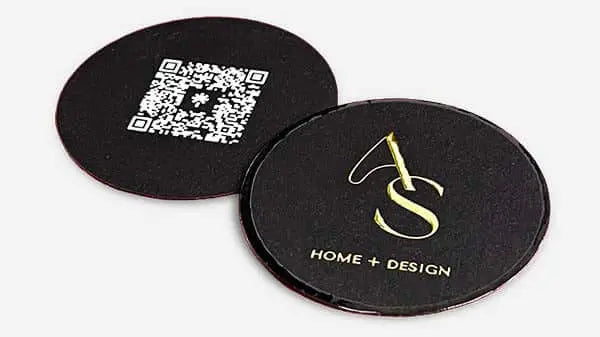


Design Restraint: Elevating Luxury Business Cards
Crafting a memorable first impression is never accidental for luxury brand leaders. For American founders and creative directors, every detail on a bespoke business card speaks volumes about authenticity and vision. Academic research highlights that design restraint in luxury branding means deliberate visual reduction to enhance quality and exclusivity. By focusing on understated sophistication and thoughtful execution, you invite clients into a quiet conversation where every choice reflects careful intention and lasting impact.
Table of Contents
- Defining Design Restraint In Luxury Branding
- Core Principles Shaping Understated Sophistication
- Design Restraint Versus Maximalist Approaches
- Impact On Brand Perception And Client Experience
- Common Pitfalls When Embracing Restraint
Key Takeaways
| Point | Details |
|---|---|
| Design Restraint Enhances Brand Perception | Minimalist design communicates sophistication and exclusivity, fostering emotional connections with discerning consumers. |
| Understated Sophistication Invites Dialogue | Luxury branding should focus on meaningful design over opulence, encouraging an intimate connection with the audience. |
| Balance is Key in Design Choices | Brands must avoid over-simplification to maintain their unique identity while still achieving effective communication. |
| Continuous Refinement is Essential | Regular client feedback is necessary to ensure that design elements resonate emotionally and align with brand values. |
Defining Design Restraint in Luxury Branding
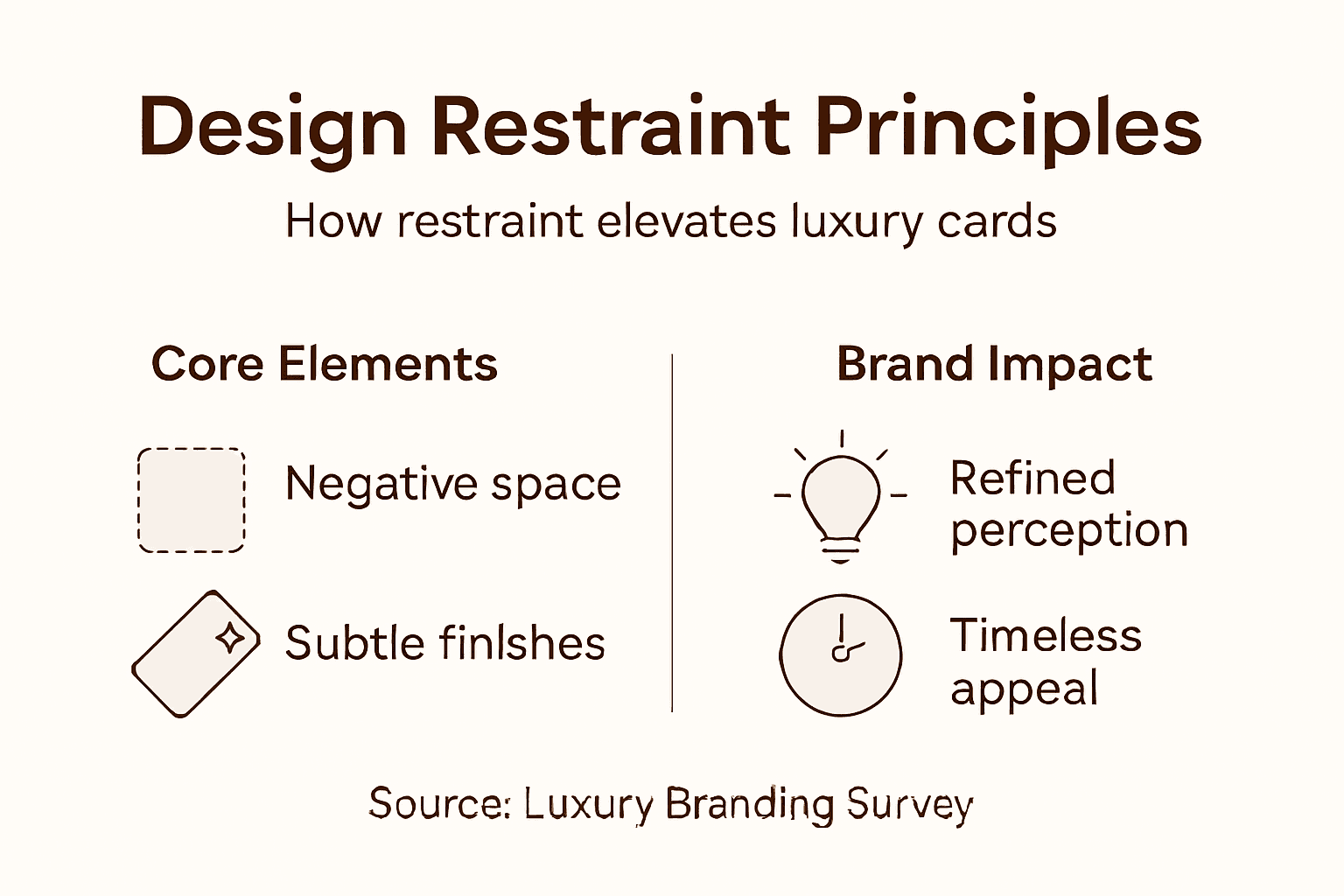
In the world of luxury branding, design restraint represents a sophisticated strategic approach that transcends traditional visual communication. Academic research highlights that this methodology involves deliberately reducing visual complexity to elevate perceived brand quality and exclusivity.
Design restraint operates on a profound psychological principle. Consumer perception studies reveal that minimalist design often generates more powerful emotional responses by leveraging subtle aesthetic cues. This approach allows brands to communicate their essence through carefully curated visual elements rather than overwhelming sensory experiences.
Key characteristics of design restraint in luxury branding include:
- Deliberate simplification of visual language
- Strategic elimination of unnecessary graphic elements
- Emphasis on negative space and typography
- Precision in material and color selection
- Focus on craftsmanship over decorative complexity
By distilling brand messaging to its purest form, luxury brands create an invitation to discernment. The design becomes a silent conversation with sophisticated consumers who appreciate nuanced aesthetic choices.
Pro tip: When developing a restrained design strategy, prioritize quality of execution over quantity of design elements, ensuring each visual component serves a deliberate communicative purpose.
Core Principles Shaping Understated Sophistication
Quiet luxury represents a profound design philosophy that transcends traditional branding approaches. Contemporary hospitality insights reveal a significant socio-economic shift where affluent consumers prioritize authenticity and meaningful design over ostentatious displays of wealth.
The core principles of understated sophistication are rooted in a nuanced understanding of brand communication. Branding trends emphasize strategic approaches that focus on provenance, craftsmanship, and emotional resonance rather than superficial visual statements. This approach demands a sophisticated design language that speaks through subtlety and precision.
Key elements defining understated sophistication include:
- Minimalist aesthetic with intentional design choices
- Emphasis on material quality and craftsmanship
- Discrete branding without prominent logos
- Timeless design that transcends temporary trends
- Sustainable and ethical production practices
- Emotional storytelling through visual understatement
Unlike traditional luxury marketing, understated sophistication invites consumers into an intimate dialogue. It requires a discerning audience who can recognize excellence through nuanced details, texture, and thoughtful design language.
Pro tip: When developing an understated luxury approach, focus on creating layers of meaning that reward careful observation and deep appreciation.
Design Restraint Versus Maximalist Approaches
Design philosophy represents a critical strategic decision for luxury brands, with design approaches ranging from minimalist restraint to bold maximalism. Stationery design research reveals fundamental differences between these two aesthetic strategies, each communicating distinct brand narratives and emotional experiences.
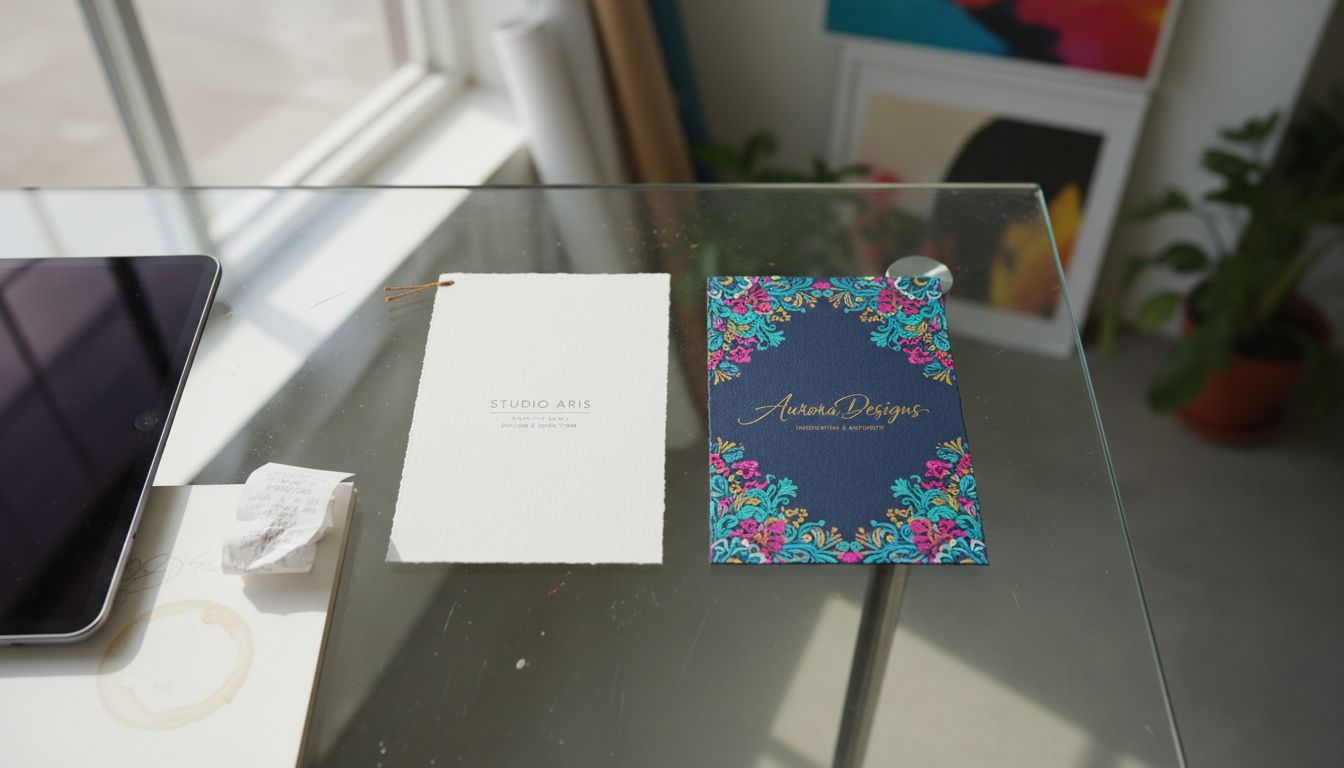
At its core, design restraint operates through strategic subtraction. Unlike maximalist approaches that overwhelm visual senses with elaborate details, restrained design communicates through carefully selected elements, negative space, and precision. This methodology transforms simplicity into a powerful language of sophistication, where each design choice becomes a deliberate statement of refined intention.
Key comparative elements between design restraint and maximalist approaches include:
- Complexity of visual elements
- Emotional brand communication
- Audience perception and engagement
- Narrative storytelling techniques
- Perception of brand value and exclusivity
Maximalist design celebrates abundance and creative expression, utilizing bold colors, intricate patterns, and dynamic compositions. Design restraint, conversely, finds strength in reduction—eliminating unnecessary elements to highlight essential qualities. This approach demands greater conceptual sophistication, requiring designers to communicate more through less.
Here’s how design restraint and maximalism differ for luxury branding impact:
| Aspect | Design Restraint | Maximalism |
|---|---|---|
| Consumer Engagement | Fosters reflective involvement | Elicits immediate attention |
| Emotional Resonance | Subtle, long-term connections | Dramatic, short-term excitement |
| Brand Exclusivity Signal | Conveys quiet confidence | Reflects opulent abundance |
| Suitability for Trends | Endures beyond fleeting fashions | Adapts quickly, risks rapid dating |
Pro tip: When choosing between restraint and maximalism, consider your brand’s core identity and the specific emotional response you want to evoke in your target audience.
Impact on Brand Perception and Client Experience
Brand perception transcends visual aesthetics, representing a complex emotional landscape where design choices communicate profound narratives. Luxury brand research demonstrates that strategic design restraint significantly influences how clients interpret and connect with brand identity.
The psychological impact of design choices runs deeper than surface-level impressions. Brand identity studies reveal that subtle, thoughtful design creates more meaningful connections, fostering trust and emotional resonance with discerning clients. Restrained design communicates confidence through intentional minimalism, suggesting that true luxury emerges from purposeful reduction rather than excessive ornamentation.
Key dimensions of brand perception influenced by design restraint include:
- Perceived brand authenticity
- Emotional brand connection
- Client trust and credibility
- Sophistication of brand narrative
- Long-term brand loyalty potential
Design restraint transforms client experience from transactional to deeply personal. By eliminating visual noise, brands create space for clients to project their own aspirations and identity, turning design into a collaborative dialogue of refined elegance. This approach invites engagement through thoughtful subtlety, where each design element becomes a carefully curated touchpoint of brand communication.
Summarizing key ways design restraint shapes client experience:
| Dimension | Impact of Design Restraint | Result for Brands |
|---|---|---|
| Perceived Trust | Builds credibility with clarity | Strengthens reputation |
| Emotional Connection | Deepens client-brand relationship | Inspires lasting loyalty |
| Brand Narrative | Supports nuanced storytelling | Differentiates identity |
| Client Empowerment | Encourages personal interpretation | Creates collaborative value |
Pro tip: Conduct regular client feedback sessions to understand how your design choices resonate emotionally, using insights to continuously refine your brand’s visual language.
Common Pitfalls When Embracing Restraint
Design restraint requires nuanced implementation, with subtle challenges that can undermine brand strategy. Branding research reveals critical mistakes that luxury brands frequently encounter when attempting to adopt minimalist design approaches.
One fundamental challenge is maintaining a delicate balance between simplicity and communicative power. Luxury branding studies highlight the risk of over-simplification, which can strip away the brand’s distinctive narrative and emotional resonance. Brands must carefully navigate the fine line between elegant reduction and potential loss of meaningful brand identity.
Critical pitfalls in design restraint include:
- Inconsistent messaging across brand touchpoints
- Loss of emotional connection with target audience
- Dilution of brand’s unique visual DNA
- Appearing sterile or disconnected
- Failing to adapt to evolving market expectations
- Sacrificing storytelling for minimalism
Successful restraint demands continuous strategic refinement. Rather than viewing minimalism as a static approach, brands must dynamically interpret design simplicity as an active dialogue with their audience. This requires ongoing calibration, ensuring that each reduced design element carries significant communicative weight and emotional depth.
Pro tip: Regularly conduct audience perception studies to validate that your restrained design maintains strong emotional engagement and accurately represents your brand’s core narrative.
Elevate Your Luxury Brand With Design Restraint in Business Cards
Navigating the fine line between minimalist elegance and meaningful brand storytelling is a challenge many luxury brands face. The article explores how design restraint fosters quiet confidence and emotional connection by focusing on precision, material quality, and subtlety. At BcardsCreation, we understand these goals deeply. Our fully custom, small-batch business cards are crafted with expert guidance, advanced materials, and refined finishing techniques designed to embody this very philosophy. Each card is an opportunity to communicate sophistication through purposeful reduction and craftsmanship.
Experience the power of restrained design by choosing BcardsCreation as your strategic partner. Our bespoke service avoids templates and automation to ensure every element serves your brand narrative perfectly. Whether you seek to deepen brand exclusivity or create a lasting emotional resonance with clients, our business cards provide the ideal canvas for understated luxury.
Discover how your business card can become a silent conversation of refined elegance today. Visit BcardsCreation and explore our premium custom solutions that turn design restraint into a powerful branding advantage. Take the first step to elevate your brand identity and make a lasting impression now.
Frequently Asked Questions
What is design restraint in luxury branding?
Design restraint in luxury branding refers to the strategic approach of simplifying visual elements to enhance perceived brand quality and exclusivity. It emphasizes minimalism, focusing on carefully curated elements rather than overwhelming designs.
How can design restraint enhance the impact of luxury business cards?
By employing design restraint, luxury business cards can communicate sophistication and elegance through minimalistic elements, emphasizing quality materials and thoughtful typography, which signals exclusivity to potential clients.
What are the key characteristics of a restrained design for luxury business cards?
Key characteristics include the deliberate simplification of visual language, the use of negative space, precision in material and color choice, and a focus on craftsmanship rather than decorative complexity.
How does design restraint affect client perception of a luxury brand?
Design restraint fosters a deep emotional connection and enhances perceived brand authenticity. It allows clients to engage more personally with the brand, enabling them to appreciate the subtleties and craftsmanship that define luxury.
Recommended
- Raised Foil Business Cards | Thick Double-layered Art Paper – BcardsCreation
- Diamond Business Cards | Frosted Plastic | Custom shape card – BcardsCreation
- Acrylic Card Holder | Personalized Business Card Holder for Desk – BcardsCreation
- Thick WHITE VELVET Multilayer Business cards Blind Debossing – BcardsCreation
- Comment sont imprimées les cartes : secrets et impacts - JM Cards


