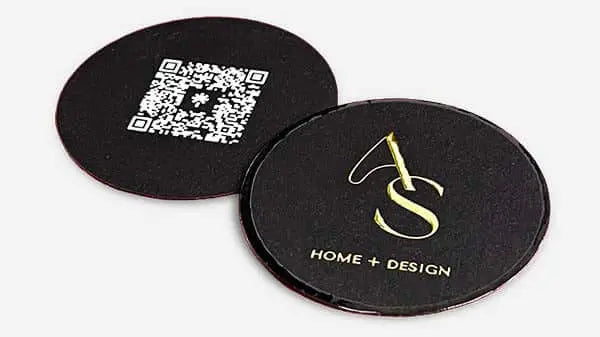


7 Details Clients Notice First: Micro-Design Elements That Change Perception
Your business cards and marketing materials often leave the very first impression. But even a stunning logo can be overshadowed if the finer details fall flat or look cluttered. Every element from spacing to surface texture sends a subtle message that shapes how others perceive your brand.
If you want your work to project confidence, order, and professionalism, applying the psychology of design makes all the difference. You will discover practical techniques—grounded in research—that clarify your message and create a sense of calm for every viewer. Get ready to uncover insider tips that turn ordinary design decisions into powerful tools for trust, sophistication, and lasting impact.
Table of Contents
- 1. Precision Spacing: Creating A Sense Of Calm And Order
- 2. Edge Treatment: Conveying Quality And Lasting Impact
- 3. Foil Restraint: Using Shine To Signal Sophistication
- 4. Delicate Contrast: Encouraging Close Attention And Trust
- 5. Tactile Surfaces: Inviting Touch To Build Memory
- 6. Typography Balance: Inspiring Confidence With Every Letter
- 7. Design Discipline: Showing Expertise Through Subtle Restraint
Quick Summary
| Key Insight | Detailed Explanation |
|---|---|
| 1. Use Precision Spacing | Create intentional breathing room to reduce cognitive load and enhance readability. Regular spacing establishes clarity in communication. |
| 2. Implement Thoughtful Edge Treatment | Subtle edge finishes communicate quality and commitment, enhancing perceived professionalism. Consistency in edge treatment builds trust. |
| 3. Apply Delicate Contrast | Use minimal color variations and subtle shifts to guide viewer attention. This approach fosters trust through attention to detail. |
| 4. Focus on Typography Balance | Maintain consistent font weights and spacing for clarity. Well-balanced typography is key to inspiring confidence and ensuring readability. |
| 5. Practice Design Discipline | Emphasize clarity by eliminating unnecessary elements. A disciplined design approach communicates expertise through intentional simplicity. |
1. Precision Spacing: Creating a Sense of Calm and Order
In the world of design communication, spacing is far more than an aesthetic choice—it’s a psychological tool that guides perception and comprehension. Precision spacing transforms visual experiences by creating intentional breathing room between elements that helps viewers process information effortlessly.
Design experts understand that spatial arrangement directly influences how people interpret and interact with visual content. Design psychology research reveals that carefully controlled spacing can:
- Reduce cognitive load
- Enhance readability
- Create visual hierarchies
- Establish emotional calm
Just as urban planners use strategic spacing to create tranquil environments, graphic designers apply similar principles to business communication. Consistent spatial relationships signal professionalism and thoughtfulness.
Precise spacing transforms cluttered information into elegant communication.
When designing business cards or marketing materials, consider these strategic spacing techniques:
- Maintain consistent margins
- Create proportional white space
- Use minimum padding between text elements
- Align content systematically
The human brain craves order. By implementing deliberate spacing, you transform complex information into an intuitive visual experience that feels both sophisticated and approachable.
Pro tip: Develop a personal spacing grid and apply it consistently across all your design materials to create instant visual coherence.
2. Edge Treatment: Conveying Quality and Lasting Impact
In the nuanced world of design communication, edge treatment represents more than a technical detail—it’s a silent messenger of quality and commitment. Every subtle curve and precisely finished border tells a story about craftsmanship and attention to detail.
Mechanical design research reveals that edge finishing significantly influences perceptual judgments about product quality. Surface edge treatment communicates volumes about professional standards before a word is even read.
The psychology of edge perception involves multiple sensory and cognitive elements:
- Visual smoothness signals refinement
- Crisp edges indicate precision
- Soft transitions suggest intentionality
- Consistent edge treatment builds trust
The edge is where design meets intention—a boundary that speaks eloquently about quality.
For business cards and professional materials, consider these edge treatment strategies:
- Select appropriate finishing techniques
- Maintain consistent edge quality
- Match edge treatment to brand personality
- Consider material interactions
Thoughtful edge design transforms ordinary materials into extraordinary communication tools. By paying attention to these minute details, you elevate your brand’s perceived value and professionalism.
Pro tip: Invest in professional edge finishing techniques that complement your brand’s visual identity and communicate subtle sophistication.
3. Foil Restraint: Using Shine to Signal Sophistication
In the delicate art of design communication, metallic foil is not just an embellishment—it’s a strategic language of luxury. Foil application represents a nuanced approach to visual storytelling that speaks volumes through minimal, intentional shine.
Advanced material research reveals that strategic foil usage communicates sophistication through carefully controlled visual contrast. The key is not overwhelming brilliance but restrained elegance.
Foil’s psychological impact involves several critical perceptual elements:
- Creates instant visual hierarchy
- Signals premium positioning
- Suggests meticulous craftsmanship
- Adds tactile dimension to design
Sophisticated shine whispers luxury louder than any aggressive statement.
When considering foil applications for business materials, remember these strategic principles:
- Use foil sparingly
- Align foil placement with brand identity
- Choose complementary color palettes
- Maintain balanced composition
Thoughtful foil treatment transforms ordinary printed materials into powerful communication instruments that subtly elevate brand perception.
Pro tip: Select foil treatments that enhance your design’s core message without competing with primary visual elements.
4. Delicate Contrast: Encouraging Close Attention and Trust
In the subtle art of visual communication, contrast is not about shouting but whispering with intention. Delicate contrast invites viewers to lean in and examine the nuanced details that communicate professionalism and care.
Design psychology research reveals that thoughtful contrast creates an environment of trust by signaling meticulous attention to detail. The goal is not to overwhelm but to guide the viewer’s eye with gentle visual hierarchies.
The psychological mechanics of delicate contrast involve:
- Reducing cognitive load
- Creating subtle visual pathways
- Encouraging closer examination
- Communicating intentional design
Soft contrast speaks louder than harsh boundaries.
When applying delicate contrast to professional materials, consider these strategic approaches:
- Use minimal color variations
- Employ subtle tonal shifts
- Create depth through understated layering
- Maintain consistent visual weight
By mastering the art of restrained contrast, you transform simple materials into sophisticated communication instruments that invite trust and engagement.
Pro tip: Develop a refined color palette with minimal tonal variations that create visual interest without overwhelming the viewer.
5. Tactile Surfaces: Inviting Touch to Build Memory
Touch is not just a sensory experience—it’s a powerful memory encoder. Tactile surfaces transform passive interactions into memorable moments that resonate deeply with human perception.
Psychological research reveals that textured materials create multi-sensory connections that enhance cognitive recall and emotional engagement. Your brain remembers what your fingers feel as much as what your eyes see.
The cognitive mechanisms of tactile memory involve:
- Activating multiple sensory pathways
- Creating deeper neural connections
- Increasing emotional investment
- Extending interaction duration
Texture speaks a language more profound than visual design alone.
When designing tactile experiences for professional materials, consider these strategic approaches:
- Select materials with purposeful texture
- Balance smoothness and subtle roughness
- Create variations in surface quality
- Align texture with brand personality
Intentional surface design transforms ordinary objects into memorable brand experiences that clients will recall long after first contact.
Pro tip: Choose materials that provide a subtle yet distinctive tactile experience which subconsciously reinforces your brand’s unique character.
6. Typography Balance: Inspiring Confidence With Every Letter
Every letterform tells a story of precision and intention. Typography balance transforms text from mere communication into a visual experience that builds immediate trust and credibility.
Design research reveals that typographic harmony goes far beyond aesthetic choices. It is a strategic language that communicates professionalism through meticulously crafted visual rhythm.
The psychological dimensions of typographic balance include:
- Creating visual hierarchy
- Reducing cognitive strain
- Establishing brand personality
- Enhancing readability
Typography whispers authority before a single word is comprehended.
When designing typographic systems for professional materials, prioritize these strategic approaches:
- Maintain consistent font weights
- Create proportional spacing
- Establish clear visual hierarchies
- Select typefaces with complementary characteristics
Deliberate typographic choices communicate more than words. They signal sophistication and create an immediate perceptual framework for understanding.
Pro tip: Develop a personal typographic style guide that defines precise spacing relationships and font pairings for consistent brand communication.
7. Design Discipline: Showing Expertise Through Subtle Restraint
True mastery reveals itself not through complexity but through intentional simplicity. Design discipline transforms professional communication by demonstrating expertise through carefully considered minimalism.
Professional practice research highlights that expertise emerges when practitioners make precise decisions that prioritize clarity over unnecessary embellishment. Restrained design communicates confidence through deliberate, strategic choices.
The fundamental principles of design discipline include:
- Eliminating visual noise
- Prioritizing essential information
- Creating purposeful white space
- Maintaining consistent visual logic
Expertise whispers while mediocrity shouts.
To develop design discipline in professional materials, focus on these strategic approaches:
- Reduce design elements to their essential purpose
- Create consistent visual frameworks
- Eliminate decorative distractions
- Emphasize functional communication
Disciplined design speaks volumes through what it chooses not to include. Each omission becomes a statement of professional understanding and strategic thinking.
Pro tip: Develop a personal design philosophy that values subtraction over addition and clarity over complexity.
Below is a comprehensive table summarizing the key design principles and strategies discussed throughout the article.
| Design Principle | Description | Key Strategies |
|---|---|---|
| Precision Spacing | Employing intentional space arrangement to enhance clarity and readability. | Maintain consistent margins, create proportional white space, align content systematically. |
| Edge Treatment | Applying finished and refined edges to communicate quality and professionalism. | Select appropriate finishing techniques, ensure consistent edge quality, and align edges to brand identity. |
| Foil Restraint | Utilizing metallic foils sparingly to convey luxury and sophistication. | Use foil sparingly, align it with brand identity, and maintain balanced composition. |
| Delicate Contrast | Using subtle variations in design elements to create trust and encourage engagement. | Employ minimal color variations, utilize understated layering, and ensure consistent visual weight. |
| Tactile Surfaces | Incorporating textures in materials to reinforce memory and brand identity. | Choose materials purposefully, balance smoothness and subtle roughness, and vary surface quality. |
| Typography Balance | Designing text presentation to inspire confidence and improve readability. | Maintain consistent font weights, establish clear visual hierarchies, and select harmonizing typefaces. |
| Design Discipline | Focusing on simplicity and minimalism to signal expertise and strategic decision-making. | Eliminate unnecessary elements, prioritize essential information, and maintain visual consistency. |
Elevate Your Brand With Micro-Design Details That Matter
Every client notices the subtle elements that set professional communication apart. From precision spacing and tactile surfaces to restrained foil and refined typography, these micro-design choices shape perception and build trust before a single word is read. If you want your business card to communicate sophistication and attention to detail at first glance, you need custom-crafted solutions that go beyond standard templates.
Explore our Textured Paper Business Cards – BcardsCreation for tactile experiences that linger in memory or add a modern touch with our Mirrored Business Cards – BcardsCreation. Each design is expertly tailored to express your unique brand personality with disciplined design and subtle contrasts.
Don’t settle for ordinary when your business card is a powerful strategic tool. Discover how thoughtful edge treatment, foil restraint, and typography balance can elevate your first impression. Visit our full collection now and start creating a premium business card that speaks volumes for your brand.
Frequently Asked Questions
What is precision spacing, and why is it important in design?
Precision spacing is the intentional use of space between elements to enhance readability and comprehension. To improve your design, maintain consistent margins and create effective white space, which can significantly reduce cognitive load for your audience.
How does edge treatment influence client perception?
Edge treatment refers to the detailing of materials that communicates quality and craftsmanship. To convey professionalism, select appropriate finishing techniques and maintain a consistent edge quality, as this can elevate the perceived value of your materials.
Why is foil restraint a key element in design communication?
Foil restraint involves using metallic foil sparingly to convey a sense of luxury without overwhelming the viewer. Aim to balance foil application and color palettes within your designs to enhance their sophistication and message clarity.
What role does delicate contrast play in visual designs?
Delicate contrast helps create visual hierarchies and encourages viewers to focus on essential details. To effectively apply this, use minimal color variations and subtle tonal shifts in your materials, making it easier for clients to trust your brand.
How can tactile surfaces enhance client engagement?
Tactile surfaces create memorable interactions by activating various sensory pathways, which can lead to deeper connections. Choose materials with purposeful textures to encourage more touch interaction, reinforcing your brand experience.
What are some tips for achieving typography balance?
Typography balance involves creating harmony through consistent font weights and proportional spacing, fostering readability and professionalism. Develop a style guide that outlines font pairings and spacing to ensure your designs resonate confidently with clients.
Recommended
- Diamond Business Cards | Frosted Plastic | Custom shape card – BcardsCreation
- Gradient Business Cards on Translucent Plastic with Foil Stamping – BcardsCreation
- Top 8 Unique Business Card Solutions for 2026 – BcardsCreation
- Foiled Clear Plastic Beauty Business Cards for Salons – BcardsCreation
- 7 Smart Ways to Find Inspiration for Merch Designs – Custom T-Shirts and Printed Merch in Utah | Pulse Merch
- Why Event Design Matters for Luxury Celebrations - Winelands Function – For Every Occasion, Your Celebration


