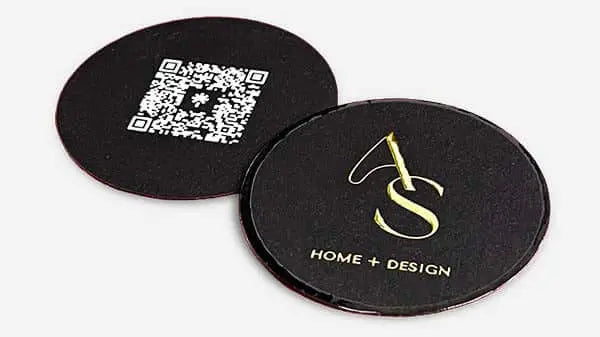


Frosted Business Cards: Elevating Luxury Branding
Standing out in the crowded American luxury beauty market requires more than remarkable products, it demands every detail to reflect exclusivity. When you introduce your brand with a frosted business card, you create an immediate sensory and visual impression that signals true sophistication. This distinct effect, inspired by frosted glass finishes, blends a translucent elegance with a tactile richness. For brands intent on making memorable connections, frosted business cards become a strategic tool for elevating brand presence and signaling premium quality.
Table of Contents
- What Are Frosted Business Cards?
- Key Features And Visual Impact
- Types And Customization Options
- Applications For Luxury Beauty Brands
- Cost, Risks, And Mistakes To Avoid
Key Takeaways
| Point | Details |
|---|---|
| Material Choice Matters | Frosted business cards offer a tactile and visual distinction, appealing to luxury beauty brands through their intentional design. |
| Visual Impact | The translucency of frosted cards allows for creativity in color choices, enhancing brand aesthetics and readability. |
| Customization Opportunities | Options like selective frosting and die-cut designs offer unique ways to communicate brand identity effectively. |
| Cost vs. Value | While frosted cards are more expensive, their ability to leave a lasting impression justifies the investment for luxury brands. |
What Are Frosted Business Cards?
Frosted business cards represent a deliberate material choice that combines tactile sophistication with visual distinction. At their core, frosted cards feature a translucent or semi-opaque surface that softens light and creates a subtle, refined appearance. This effect mimics the aesthetic of frosted glass finishes, where traditional frosting techniques like sandblasting or acid etching create a diffused, elegant surface. On card stock or acrylic materials, frosted finishes are typically achieved through specialty coatings, lamination processes, or the material itself being manufactured with a frosted base. The result is a card that feels premium to the touch and communicates intentionality in brand presentation.
Unlike standard glossy or matte cards, frosted options introduce a middle ground that feels both contemporary and luxurious. The translucency allows white or light-colored printing to appear luminous against the frosted surface, while darker inks maintain legibility and contrast. This creates a visual depth that draws the eye. Business cards themselves remain the same functional objects they have always been, bearing your name, title, company, and contact details. But frosted variants elevate how those details are presented. The surface catches light differently depending on the angle and lighting conditions in the room, creating a dynamic quality that standard cards simply cannot replicate. For luxury beauty brands specifically, this aligns naturally with product positioning that emphasizes quality, craftsmanship, and aesthetic sensitivity.
The psychological impact of handing over a frosted card differs from a standard one. Recipients immediately register the material choice as intentional. It signals that your brand does not treat business cards as disposable commodities, but as tangible representations of your values. In the beauty industry, where visual presentation and sensory experience matter deeply, this distinction carries weight. A frosted card sits comfortably in a client’s hand, feels substantial, and reflects light in a way that keeps it memorable long after the initial exchange. The frosted finish itself becomes part of your brand story.
Pro tip: When selecting frosted finishes, consider how your specific beauty brand’s color palette and typography will interact with the translucency. Test samples in the lighting conditions where you typically conduct client meetings, as frosted materials perform differently under natural light versus office fluorescence.
Key Features and Visual Impact
Frosted business cards succeed because they combine multiple material and design advantages that work together to create a lasting impression. The translucent quality is the defining characteristic, allowing light to pass through the card while obscuring what lies directly behind it. This creates a visual softness that feels contemporary without sacrificing readability. Unlike fully opaque cards, frosted finishes have depth—your logo or text doesn’t simply sit on a flat surface but appears to exist within layers of material. The frosted acrylic surface diffuses light in a way that adds dimension and visual texture, which is particularly effective when your design incorporates white space or minimalist typography. For beauty brands, this approach aligns perfectly with the aesthetic sensibility your clients already expect from you.
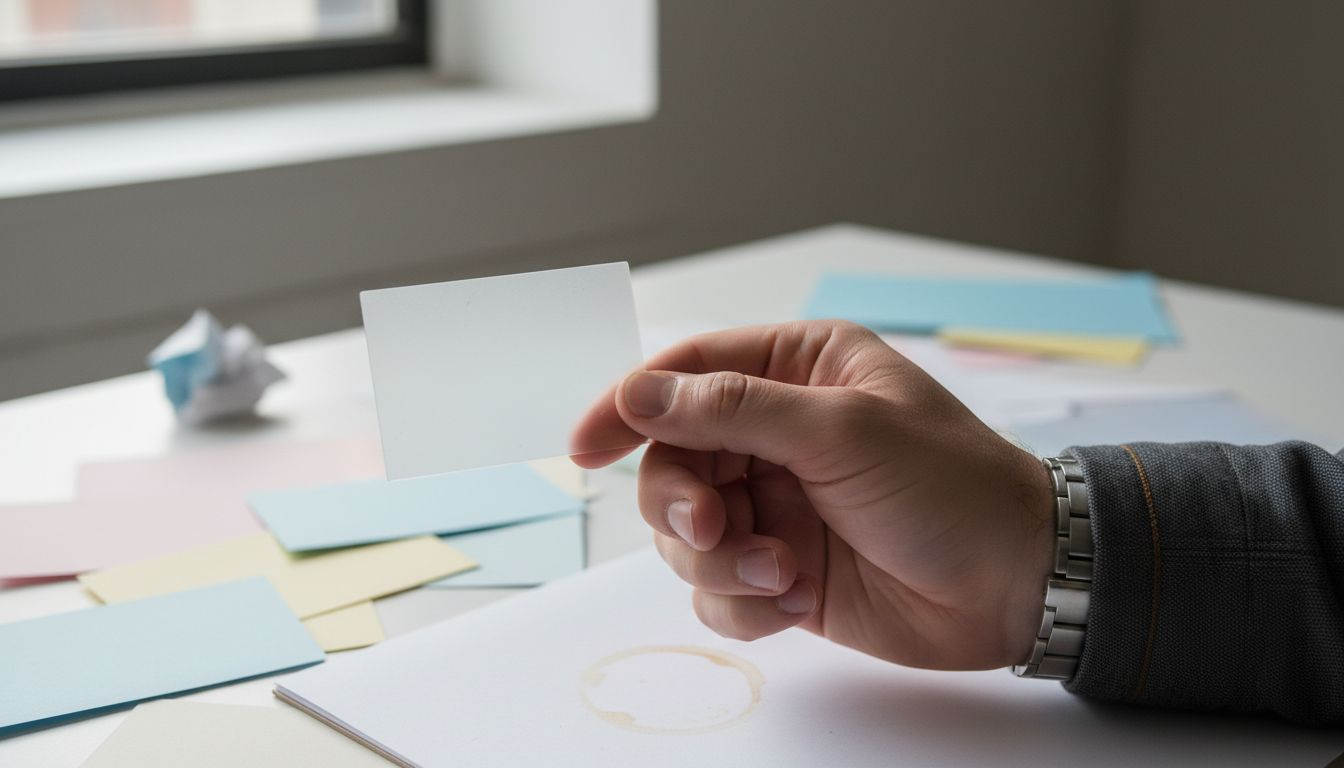
The tactile experience matters as much as the visual one. When someone holds a frosted card, they immediately sense the material thickness and finish quality. The surface has a subtle texture that invites touch, unlike slick glossy cards that feel impersonal. High-quality card stock and printing methods determine how colors appear on frosted bases, and this interaction creates distinct advantages. White or metallic inks appear luminous against frosted surfaces, while darker colors maintain contrast and legibility. This is why frosted finishes work particularly well for beauty brands using sophisticated color palettes—blacks, deep jewel tones, or metallics all gain visual richness when printed on frosted material.
Visual Impact in Real Settings
The way frosted cards interact with lighting conditions gives them an edge in networking situations. Under warm indoor lighting, they appear soft and inviting. In natural daylight, the translucency creates a subtle glow that catches attention. This dynamic quality means your card doesn’t look the same in every context—it adapts to its environment while maintaining brand consistency. A beauty brand’s client, sitting in a consultation room with specific lighting, will experience your card differently than someone reviewing it at their desk at home. This variability is a feature, not a bug. It makes the card memorable because the recipient’s brain registers something that doesn’t conform to typical card expectations.
Color choices interact with frosted finishes in ways that require intentional design thinking. Pastels appear softer and more sophisticated. Bold colors maintain their impact while gaining a refined quality through the frosted treatment. Metallics become signature elements because they reflect light through the frosted surface, creating sophisticated highlights that pure matte or glossy finishes cannot achieve.
Pro tip: Ask for frosted card samples in both your primary and secondary color options before committing to a full production run, as how colors render on frosted material differs significantly from how they appear on standard stock.
Types and Customization Options
Frosted business cards come in several material and finish variations, each creating a distinct impression. Frosted plastic cards offer durability and a contemporary feel, with the translucent quality fully integrated into the material itself. These resist wear better than coated paper options and work well for brands that expect their cards to circulate heavily through client spaces. Frosted paper cards use specialty stock combined with coatings to achieve the effect, offering a more traditional cardstock feel while maintaining visual sophistication. Hybrid options combine frosted plastic elements with traditional cardstock backing, creating unique tactile experiences. The choice depends on your brand’s positioning and how you imagine clients using your card. A luxury beauty brand consulting with high-net-worth clientele might prefer the durability of frosted plastic, while a boutique aesthetician building intimate client relationships might choose frosted paper for its warmth.
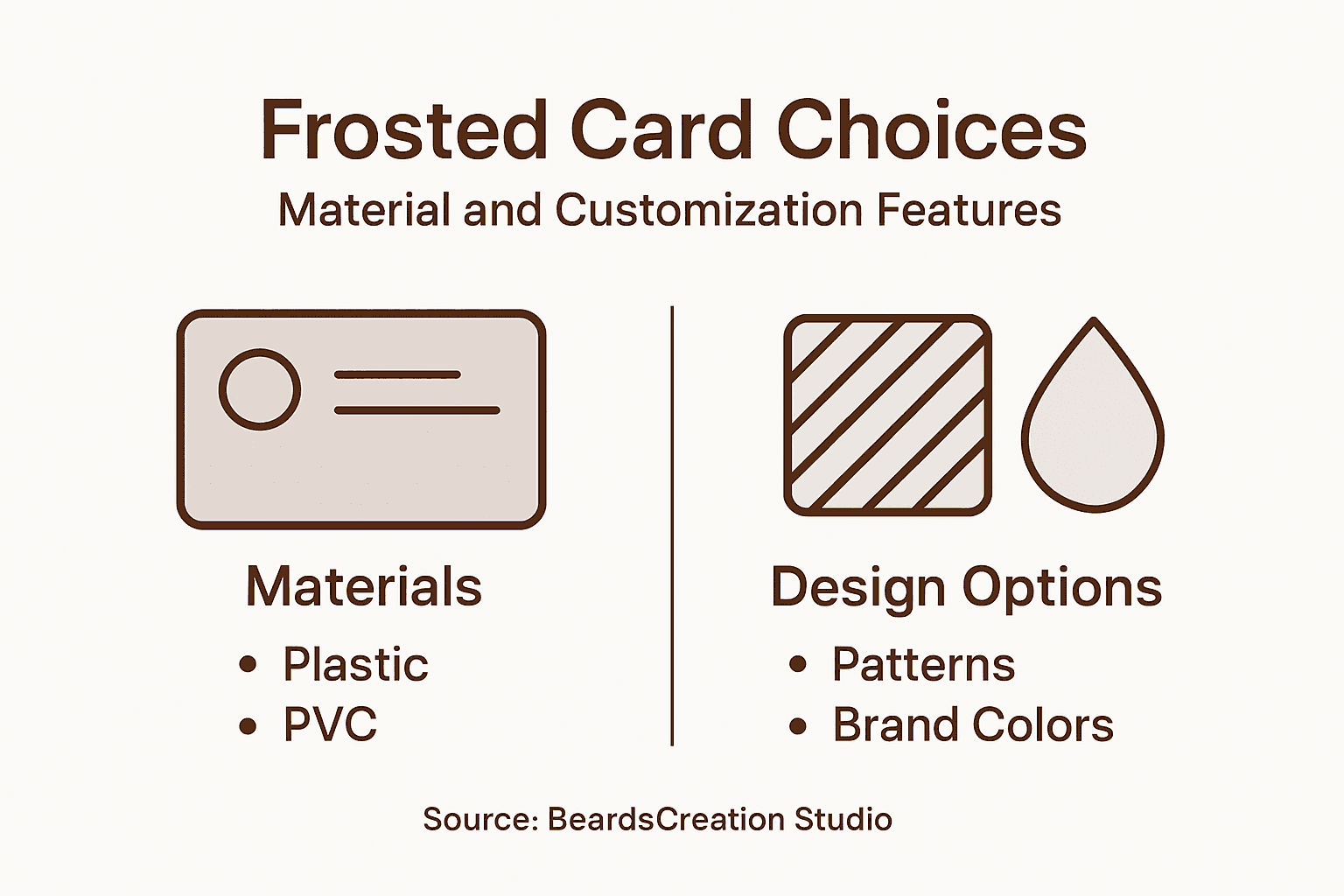
Customization extends far beyond material selection. You can incorporate geometric patterns, floral designs, and abstract motifs directly into the frosted finish itself, creating layered visual depth that engages multiple senses. Some brands add selective frosting, where certain areas remain clear while others are frosted, creating contrast zones for logos or essential information. Die-cutting allows you to move beyond standard rectangular formats entirely. Rounded corners, custom shapes, or even beveled edges all become possible. For a beauty brand, consider how your card shape reinforces your positioning. A geometric shape suggests modern precision. An organic, flowing shape communicates creativity and sensuality.
Here’s a concise comparison of frosted business card materials and their best use cases:
| Material Type | Durability | Tactile Feel | Ideal For |
|---|---|---|---|
| Frosted Plastic | High (lasting, rigid) | Modern, substantial | Luxury brands with high usage |
| Frosted Paper | Moderate (premium card stock) | Warm, traditional | Boutique brands, artisanal touch |
| Hybrid | Balanced (varies) | Unique, multi-textured | Brands seeking distinctiveness |
Design and Material Combinations
The combination of design and material creates the actual brand experience. You might choose a frosted card with white ink only for minimalist luxury, or layer multiple ink colors for visual richness. Custom card dimensions and layout designs allow you to create proportions that feel intentional rather than generic. A vertical card communicates differently than a horizontal one. A square card stands out in a pocket full of rectangles. Some brands use larger formats to make a statement, understanding that space carries message weight. Metallic inks on frosted surfaces create luminous effects that photograph well on social media, extending your card’s reach beyond the physical exchange.
Consider also how your card appears when stacked or fanned. Frosted finishes create visual interest in these scenarios because light plays differently across each card. Your beauty brand’s name, when repeated across a stack of frosted cards at your reception desk, becomes a design element itself. The frosted material catches available light, creating subtle highlights that draw attention without shouting.
Pro tip: Request physical samples of your final design on your chosen frosted material and finish before full production, as digital renderings cannot capture how light interacts with the actual frosted surface in real office and consultation room lighting.
Applications for Luxury Beauty Brands
Frosted business cards serve a specific strategic purpose for luxury beauty brands that extends far beyond simply exchanging contact information. Your card becomes a tangible expression of your brand philosophy, working in moments when words alone cannot. When a client sits across from you in a consultation, your frosted card communicates something they already sense about your approach: attention to detail, investment in quality, and understanding of aesthetic refinement. A skincare brand founder using frosted cards signals that the same intentionality applied to product formulation also applies to client interactions. A makeup artist using frosted cards suggests that visual sophistication matters at every touchpoint. This alignment between brand promise and physical execution builds trust before any conversation begins.
The specific contexts where frosted cards work hardest for beauty brands are worth considering. During client consultations, your card sits on the consultation table or gets handed over when discussing products or services. The frosted finish catches light from the consultation room lighting, creating a subtle glow that reinforces your brand’s refined positioning. At beauty events, trade shows, or pop-up experiences, your card stands out among standard printed alternatives, making it memorable when handed to potential wholesale partners or collaborators. Luxury beauty brands leveraging authentic craftsmanship and artistic commitment benefit particularly from cards that embody these values through material choices and design execution. When your card physically demonstrates commitment to quality, it validates your brand story rather than simply stating it.
Creating Signature Brand Moments
Frosted cards create micro-brand moments that compound over time. A client receives your card, notices its weight and finish, and experiences a moment of recognition that your brand is different. They place it on their dresser or in their wallet, where it catches light intermittently, creating subtle brand reinforcement. They potentially show it to a friend, extending your reach through conversation. The light-diffusing properties of frosted finishes create a signature visual identity reflecting sophistication and subtlety without overt flashiness, which particularly resonates with luxury beauty consumers who value restraint and refinement. Unlike a glossy card that looks purely commercial or a matte card that blends into background noise, your frosted card occupies a distinct visual space. For beauty brands competing in saturated markets, this distinction matters. Your card doesn’t whisper your message. It presents it with quiet confidence.
Consider also how frosted cards function as gifts. A beauty brand might include a frosted card in product packaging or with a personalized note to a loyal client. The card then becomes part of the unboxing experience, adding perceived value and reinforcing brand positioning. A makeup artist might hand a frosted card to a bride on her wedding day, making the card part of a memorable moment. These applications transform the card from a functional item into a brand ambassador that carries emotional weight.
Pro tip: When designing frosted cards for client-facing moments, request samples in your actual brand colors and test them in the specific lighting conditions of your consultation space, as the interplay between frosted finish and ambient light significantly impacts how clients perceive your brand’s visual identity.
Cost, Risks, and Mistakes to Avoid
Frosted business cards carry a legitimate cost premium compared to standard options, and understanding where that premium goes helps you make informed decisions. Specialty materials and advanced printing processes drive higher costs because frosted finishes require either specialty card stock, lamination techniques, or plastic-based materials that demand different production workflows. A batch of 500 frosted cards might cost 40 to 60 percent more than standard matte cards from a commodity printer. For luxury beauty brands, this investment typically makes sense because the card functions as a brand positioning tool, not a commodity expense. But you need to understand your actual cost structure before committing. Cheap frosted cards produced with substandard materials and processes undermine your brand more than a well-executed matte card would. The frosted finish magnifies both quality and poor execution, so cutting corners on production defeats the purpose entirely.
The most common mistake brands make with frosted cards is over-designing them. The translucent quality of frosted material creates visual interest on its own. Adding excessive patterns, gradients, or intricate imagery often backfires because the frosted finish diffuses detail rather than enhancing it. Text becomes harder to read when layered over complex background images on frosted stock. Your logo loses impact when competing with visual noise. A frosted card with white ink and generous white space communicates luxury more effectively than a frosted card crammed with design elements. Similarly, choosing colors that disappear into the frosted material creates readability problems. Dark text on frosted stock works. Light gray text on frosted material does not. Test your actual color choices on samples before full production. Another critical mistake is assuming consistency in business card design across your brand is optional. If you have a team, inconsistent cards create confusion about your brand identity. Everyone representing your beauty brand should carry cards that clearly communicate the same positioning and visual language.
Risk Management and Testing
The primary risk with frosted cards involves material durability in real-world conditions. Frosted plastic holds up better than frosted paper over time. If your cards will be carried in bags, wallets, or desk drawers for months, plastic is the safer choice. Frosted paper cards, while beautiful, can show wear more readily. Another risk involves lighting dependency. Your frosted card might look stunning in natural light but appear washed out under harsh fluorescent office lighting. This is why physical samples in your actual working environment matter so much. A sample that looks perfect on your design computer monitor might perform differently when printed and placed in your consultation room. Production errors represent another real risk. Misaligned printing on frosted cards becomes more visible than on standard cards. Inconsistent frosting across the batch creates variation in appearance. Working with experienced producers who specialize in specialty finishes rather than high-volume commodity printers reduces these risks significantly.
Here is a summary of risks and mitigation strategies when using frosted business cards:
| Risk Type | Common Issue | Mitigation Strategy |
|---|---|---|
| Material Durability | Wear on paper cards | Choose plastic for heavy use |
| Lighting Conditions | Washed-out appearance | Test samples in true settings |
| Over-Design | Reduced readability | Use simple layouts, ample white space |
| Production Quality | Misaligned printing, frosting flaws | Work with specialty printers |
Budgeting also requires honesty. Frosted cards cost more upfront, but they last longer in client perception and generate better retention than cheaper alternatives. A beauty brand investing in 500 frosted cards creates a stronger impression than 2000 standard cards because each frosted card carries disproportionate brand weight. Calculate not just the per-card cost but the cost per meaningful impression, and the investment becomes clearer.
Pro tip: Order a small test batch of 250 cards before committing to your full production run, ensuring the frosted finish, color rendering, and text legibility match your expectations in your actual working environment rather than discovering problems after ordering thousands of cards.
Elevate Your Luxury Brand With Frosted Business Cards
If you want your luxury beauty brand to truly stand out, frosted business cards deliver more than just contact details. They create that unforgettable first impression by combining tactile sophistication with visual depth. This article highlights how important it is to choose materials and designs that reflect intentionality and quality. At BcardsCreation, we understand these challenges and help you solve them with custom solutions that turn your cards into powerful brand ambassadors.
Explore our Frosted Plastic Business Cards collection featuring durable, luminous frosted finishes tailored for luxury brands that demand excellence.
Don’t settle for ordinary when you can have bespoke. Our premium studio at BcardsCreation offers design-driven guidance, material expertise, and controlled production to bring your refined branding vision to life. Take the next step in representing your beauty brand with confidence and style by visiting Plastic Business Cards and starting your custom order today.
Frequently Asked Questions
What are frosted business cards?
Frosted business cards are made of translucent or semi-opaque materials that provide a sophisticated and modern appearance. They mimic the look of frosted glass finishes and are designed to create a premium tactile experience while effectively showcasing brand information.
How do frosted business cards differ from standard cards?
Frosted business cards have a unique translucent quality that adds depth and visual texture compared to standard glossy or matte cards. This allows for creative interplay with light, making the card memorable while maintaining readability of the printed details.
What design considerations should I keep in mind for frosted business cards?
When designing frosted business cards, consider how your brand’s color palette interacts with the frosted finish. It’s essential to test samples in different lighting conditions to ensure the colors are represented accurately, and to utilize ample white space for clarity and elegance.
What types of materials are used for frosted business cards?
Frosted business cards can be made from various materials, including frosted plastic, frosted paper, and hybrid options. Each material offers distinct characteristics, such as durability and tactile feel, which should align with your brand’s positioning and client interactions.
Recommended
- Diamond Business Cards | Frosted Plastic | Custom shape card – BcardsCreation
- Raised Foil Business Cards | Thick Double-layered Art Paper – BcardsCreation
- Letterpress Business Card with full color print and real foil Rose Gol – BcardsCreation
- Fine Paper Double layered Business Card with Neon and Purple Foils, Th – BcardsCreation


