

7 Impactful Business Card Features for Brand Leaders
More than 90 percent of American business leaders say a unique business card creates a powerful first impression in luxury circles. In the world of high fashion and beauty, every detail counts when shaping public perception and building relationships. This guide reveals how strategic card design, luxe materials, and professional finishing choices can make your American brand’s presence unforgettable at every high-level encounter.
Table of Contents
- Defining Impact: Beyond First Impressions
- Material Choice and Card Weight Matter
- Texture and Finish for a Tactile Edge
- Clear Information Hierarchy for Usability
- Balancing Features: Value Over Noise
- Functionality Drives Memorable Interactions
- Design Details for Strategic Brand Positioning
Quick Summary
| Key Insight | Explanation |
|---|---|
| 1. Treat Cards as Strategic Tools | View your business card as a powerful branding instrument that tells your professional story before you speak. |
| 2. Material and Weight Signal Quality | Choose heavier cardstock to convey professionalism and quality, ensuring your card feels substantial in hand. |
| 3. Prioritize Information Hierarchy | Organize details clearly, highlighting your name and role to facilitate quick recognition and recall by recipients. |
| 4. Use Texture for Impact | Incorporate tactile elements and finishes to create memorable experiences that engage recipients and reflect sophistication. |
| 5. Simplify for Clarity | Avoid clutter by focusing on essential information, transforming your card into a clear and confident representation of your brand. |
1. Defining Impact: Beyond First Impressions
A business card is far more than a piece of paper with contact information. It is a strategic branding instrument that communicates your professional identity within seconds of an encounter. First impressions are crafted through nuanced design elements that go well beyond mere visual aesthetics.
When professionals exchange business cards, they are not just sharing contact details but engaging in a sophisticated nonverbal communication ritual. Brand perception starts with these initial physical interactions, where texture, weight, and design quality speak volumes about your professional standards before a single word is spoken.
The psychological impact of a well designed business card extends far beyond its immediate visual appeal. Effective branding communicates distinctive identity and influences stakeholder decision making through carefully curated design elements that reflect core organizational values. Your business card serves as a tangible representation of your professional narrative.
Successful business cards transform from simple information carriers into powerful brand ambassadors. They create instant emotional connections by signaling attention to detail, commitment to quality, and understanding of professional presentation. A meticulously crafted card suggests that you invest the same level of care and precision in your professional work.
Pro tip: Treat your business card as a strategic communication tool rather than a mere contact repository, investing in design elements that authentically represent your professional brand and personal style.
2. Material Choice and Card Weight Matter
Your business card’s material is a silent communicator of professional quality and brand sophistication. Card weight and paper selection directly influence how potential clients perceive your professional credibility.
Professional services typically select paper stocks between 300 and 350 gsm for a balanced presentation that signals reliability and intention. Heavier cardstock communicates substantial value beyond mere contact information. Material weight serves as a tactile representation of your brand’s commitment to quality.
Texture and composition play pivotal roles in creating memorable interactions. Paper selection involves strategic considerations that extend beyond visual aesthetics, encompassing durability, feel, and psychological impact. A well chosen material transforms a simple card into a powerful brand ambassador.
Consider how different paper weights communicate distinct professional personas. Lightweight papers might suggest cost consciousness, while premium thick stocks signal exclusivity and meticulous attention to detail. The physical sensation of your business card can create lasting impressions that extend far beyond initial visual assessment.
Pro tip: Request paper samples from your printer to physically compare weights and textures, ensuring your chosen material authentically represents your professional brand identity.
3. Texture and Finish for a Tactile Edge
Your business card is a sensory experience beyond visual design. Luxury finishes transform ordinary cards into memorable brand interactions that engage multiple senses.
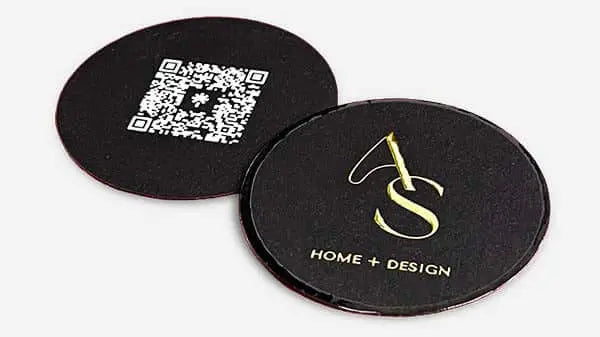
Tactile elements communicate sophistication in ways visual design cannot. Surface treatments like soft touch coatings, metallic foils, and intricate embossing create physical interactions that compel recipients to pause and examine your card more closely. These deliberate textural choices signal meticulous attention to detail and brand intentionality.
Professional finishes serve as nonverbal communication tools. A velvet soft finish suggests elegance, while metallic edges hint at innovation and premium quality. Each textural choice becomes a strategic branding decision that communicates your professional identity before a single word is spoken.
Understanding the psychological impact of texture allows brand leaders to craft more meaningful first impressions. Different finishes evoke distinct emotional responses some invite curiosity, others convey authority, and some create a sense of exclusivity. Your business card becomes a three dimensional representation of your professional narrative.
Pro tip: Request physical samples of different finishes to understand how texture communicates brand personality and select a treatment that authentically represents your professional identity.
4. Clear Information Hierarchy for Usability
A business card serves as a compact canvas for communicating critical professional information. Information hierarchy determines how quickly and effectively recipients can understand and retain your key details.
Strategic content placement transforms a simple card from a data container into a purposeful communication tool. Hierarchical design guides the viewers eye through important information in a logical sequence prioritizing the most critical elements such as name, role, and contact method. This intentional organization reduces cognitive effort and increases the likelihood that recipients will remember and act on your information.
Effective information architecture supports intuitive navigation by structuring content to match users mental models. Professional brand leaders understand that every visual and textual element on a business card should serve a deliberate purpose. Font sizes typography and white space become strategic tools for creating clear visual pathways that subtly direct attention.
Consider your business card as a microcosm of your professional brand. The way you organize information communicates as much about your approach and personality as the specific details themselves. A cluttered design suggests disorganization while a clean strategically structured card signals precision and thoughtfulness.
Pro tip: Conduct a quick usability test by asking colleagues to glance at your business card for five seconds and then describe what they remember most clearly.
5. Balancing Features: Value Over Noise
A business card is not about cramming every possible detail into a small space. Effective design requires understanding how to minimize noise and maximize meaningful communication.
Strategic simplification transforms business cards from information overload to powerful brand statements. Reducing undesirable variability helps create more consistent and compelling user experiences. Professional brand leaders recognize that every design element must serve a specific purpose beyond mere decoration.
Think of your business card as a visual elevator pitch. Each design choice should answer a critical question: Does this feature communicate something essential about my professional identity? Unnecessary graphics intricate patterns or excessive contact information can dilute your core message and create cognitive friction for recipients.
The art of balancing features involves ruthless editing. Prioritize information that creates genuine connection communicates your unique value and invites further conversation. A well designed business card suggests confidence through intentional restraint suggesting that you understand what truly matters.
Pro tip: Create three versions of your business card design and ask respected colleagues to identify the key information they remember after a brief glance, then refine accordingly.
6. Functionality Drives Memorable Interactions
Business cards have evolved far beyond simple contact information exchange. They are now strategic tools that catalyze professional relationships and facilitate meaningful connections.
Interactive design transforms passive information sharing into dynamic engagement. Augmented reality and digital enhancements can create richer brand narratives that extend the traditional boundaries of physical networking. Modern professionals understand that functionality is about creating seamless pathways for future communication.
Consider incorporating features that make follow up intuitive. QR codes that instantly transfer contact information digital links that connect directly to professional portfolios or one click calling options can dramatically reduce friction in professional networking. These elements demonstrate technological savvy and commitment to efficient communication.
Your business card should act as a gateway to your professional ecosystem. By integrating smart functionality you signal that you understand the importance of accessibility and are attuned to modern communication preferences. The goal is to make connecting with you as effortless and engaging as possible.
Pro tip: Design your business card with multiple connection options to accommodate different recipient preferences, ensuring you remain accessible across various communication platforms.
7. Design Details for Strategic Brand Positioning
Your business card is a microcosm of your professional brand identity. Strategic design details transform a simple contact tool into a powerful positioning instrument that communicates your core professional values.
Visual coherence tells a sophisticated story about your professional approach. Every design element from color palette to typography works together to create a compelling narrative that resonates with target audiences. Professional brand leaders understand that design is never about decoration but strategic communication.
Consider how each visual choice reflects your professional persona. Font selections suggest personality technical precision requires clean geometric typefaces while creative industries might embrace more fluid artistic styles. Color palettes communicate emotional undertones blue signals trust and reliability while warmer tones suggest energy and innovation.
Your business card serves as a tangible brand ambassador existing in physical space. It bridges digital and analog experiences creating a memorable touchpoint that extends your professional narrative. Thoughtful design transforms a simple networking tool into a strategic positioning asset that communicates your unique professional identity.
Pro tip: Periodically review your business card design against your current professional goals to ensure it continues to authentically represent your evolving brand narrative.
Below is a comprehensive table summarizing the core aspects and concepts discussed throughout the article.
| Aspect | Details | Implications |
|---|---|---|
| Defining Impact | Business cards convey branding and professional identity, through design and perception. | Effective designs enhance brand recognition and credibility. |
| Material Choice and Card Weight | The material and weight of the card communicate quality and organizational values. | Carefully selected materials leave a lasting impression on clients. |
| Texture and Finish | Tactile features like coatings and embossings contribute to a memorable user experience. | This enhances the perceived professionalism and unique brand appeal. |
| Information Hierarchy | Clear placement of information directs attention to critical details like contact information. | A well-structured design increases usability and retention of key details. |
| Feature Balance | Simplify the design by prioritizing essential information and reducing clutter. | This avoids overwhelming the recipient and highlights the core message. |
| Functionality | Including interactive features like QR codes adapts business cards to modern networking. | Improves accessibility and promotes seamless professional connections. |
| Design Strategy | Visual elements like typography and color palette align with brand identity and values. | Strengthens the alignment between the card’s design and the brand’s narrative. |
Elevate Your Brand Identity with Customized Business Cards
Crafting a memorable first impression requires more than just sharing contact details. As highlighted in the “7 Impactful Business Card Features for Brand Leaders,” the texture, weight, finish, and design hierarchy of a business card are critical to conveying professionalism and uniqueness. If you seek to stand out by integrating these strategic branding features into your cards, BcardsCreation offers tailored solutions that move beyond generic templates. With expertise in premium materials and refined finishing techniques, you can choose from options like Textured Paper Business Cards or explore innovative shapes through our Custom Shaped Business Cards.
Unlock the power of strategic brand positioning through personalized design that truly reflects your professional identity. Visit BcardsCreation today to collaborate on a small-batch, bespoke project crafted to impress and engage. Don’t settle for ordinary — transform your business card into a compelling brand ambassador that sparks meaningful connections now.
Frequently Asked Questions
What features should I prioritize on my business card to enhance my brand image?
A well-designed business card should prioritize features like material choice, texture, and clear information hierarchy. Begin by selecting a high-quality cardstock and consider adding tactile finishes to elevate the card’s perception.
How can I effectively create an information hierarchy on my business card?
To create a clear information hierarchy, organize essential details such as your name, title, and contact information in a logical sequence. Use varying font sizes and white space to guide the reader’s eye and make the most important information stand out.
What role does card weight play in the perception of my business card?
Card weight directly influences how recipients perceive your professionalism and reliability. Choose a cardstock between 300 and 350 gsm for a balance between quality and impact, signaling to recipients that you value attention to detail.
How can I incorporate interactive features into my business card design?
Incorporate interactive features such as QR codes or links to digital portfolios to create a memorable experience. These elements make it easier for recipients to connect with you further and can significantly enhance your professional networking opportunities.
How does the choice of texture and finish affect first impressions of my business card?
The texture and finish of your business card can create a lasting first impression by evoking sophistication and attention to detail. Experiment with different finishes like soft touch or metallic edging to find one that authentically represents your brand personality and appeals to your target audience.
Recommended
- Acrylic Card Holder | Personalized Business Card Holder for Desk – BcardsCreation
- Diamond Business Cards | Frosted Plastic | Custom shape card – BcardsCreation
- Raised Foil Business Cards | Thick Double-layered Art Paper – BcardsCreation
- Fine Paper Double layered Business Card with Neon and Purple Foils, Th – BcardsCreation


