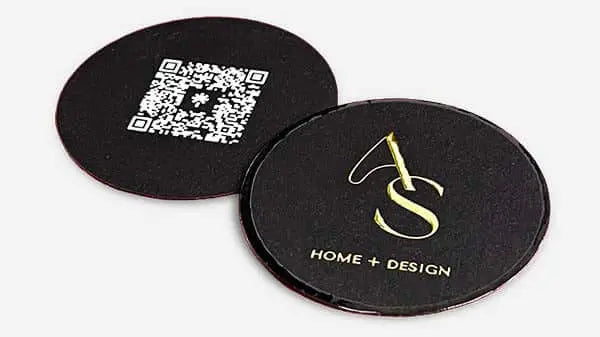


Luxury Business Card Materials Explained: Choosing Wisely
Choosing the right business card material is never just about looks for luxury beauty business owners in the United States. Each card quietly shares your values and commitment to quality before a single word is even read. Material selection becomes a powerful statement, showing professionalism, attention to detail, and distinction in a crowded market. By understanding how paper, plastic, and specialty stocks tell your brand’s story, you can create a first impression that lingers long after the introduction.
Table of Contents
- Material Choice as Branding Foundation
- Comparing Paper, Plastic, and Specialty Stocks
- Weight, Rigidity, and Surface Behavior
- Print Compatibility and Design Impact
- Material Limitations and Maintenance
Key Takeaways
| Point | Details |
|---|---|
| Material selection is vital for branding. | The choice of materials for business cards communicates brand values and qualities, impacting customer perception significantly. |
| Durability varies by material type. | Each material has different care requirements and durability levels, influencing how the card maintains its impression over time. |
| Surface and weight affect sensory experience. | Material weight and surface treatment play crucial roles in how a card feels and is perceived, affecting luxury and professionalism. |
| Print compatibility is essential. | Understanding how different materials interact with printing techniques ensures optimal color reproduction and overall design quality. |
Material Choice as Branding Foundation
Luxury business cards serve as strategic communication tools where material selection is far more than aesthetic preference. Materials represent an unspoken narrative about brand positioning, quality perception, and professional sophistication. Brand materials act as tangible expressions of organizational values, influencing customer perception before a single word is read.
Every material choice communicates something fundamental about a brand’s approach. Paper weight, texture, finish, and composition become silent ambassadors communicating professionalism, attention to detail, and market positioning. A heavyweight cotton paper signals tradition and craftsmanship. A sleek plastic card suggests technological innovation. Textured metallic stocks imply premium positioning. These choices transcend mere physical properties—they construct an immediate sensory experience of brand identity.
Understanding material selection requires thinking strategically about perception. Brands serve as foundational markers that simplify customer choice and reduce perceived risk. In luxury markets, material becomes a critical differentiator. A sustainability-conscious entrepreneur might select recycled paper stocks. A technology startup might prefer translucent plastics with precise laser-etched details. Each choice tells a nuanced story about organizational values and professional approach.
Pro tip: Always request material samples and test how different stocks interact with your specific design before making a final commitment.
Comparing Paper, Plastic, and Specialty Stocks
Paper stocks represent the traditional foundation of business card design, offering a rich palette of textures, weights, and finishes. Paper and packaging materials provide diverse options for brands seeking to communicate sophistication and environmental consciousness. From heavyweight cotton papers signaling luxury to recycled stocks demonstrating sustainability, paper materials allow nuanced brand storytelling through tactile experiences.
Plastic business cards emerge as a modern alternative, bringing durability and unique design possibilities. Card stock variations enable different aesthetic qualities, with plastic offering resistance to wear, water damage, and prolonged handling. Translucent, metallic, and colored plastic stocks can create striking visual statements, particularly for technology, design, and innovation-focused brands. However, environmental considerations remain critical, as plastic’s ecological footprint differs significantly from paper-based alternatives.
Specialty stocks represent the pinnacle of creative material expression. These advanced materials include metal-infused papers, textured composites, wood veneer cards, and hybrid designs that blend multiple substrates. Such materials transcend traditional printing limitations, allowing brands to craft truly memorable first impressions. The selection process demands careful consideration of print compatibility, durability, and alignment with brand positioning.
Pro tip: Request material samples and conduct thorough print tests to understand how different stocks interact with your specific design and printing technique.
Here’s how core material types for luxury business cards differ in their branding and practical impact:
| Material Type | Brand Impression | Durability and Care | Eco Impact |
|---|---|---|---|
| Cotton Paper | Classic, refined tradition | Susceptible to moisture, requires gentle storage | Often compostable, eco-friendly |
| Plastic | Sleek, innovative, modern | Highly resistant to wear, must avoid high heat | Long-lasting, low recyclability |
| Metal/Composite | Premium, bold, exclusive | Prone to scratches, needs specialized cleaning | Dependent on sourcing, may be recyclable |
| Specialty Hybrid | Creative, distinctive luxury | Complex care, may need professional upkeep | Varies, can use sustainable blends |
Weight, Rigidity, and Surface Behavior
Material weight serves as the first tactile signal of quality in business card design. Rigidity refers to resistance under force, creating an immediate impression of luxury and durability. Heavyweight stocks ranging from 300 to 600 gsm communicate substantial professional presence, while lighter stocks between 200-250 gsm offer more flexible, contemporary presentations. The weight directly influences how recipients perceive the brand’s attention to detail and commitment to quality.
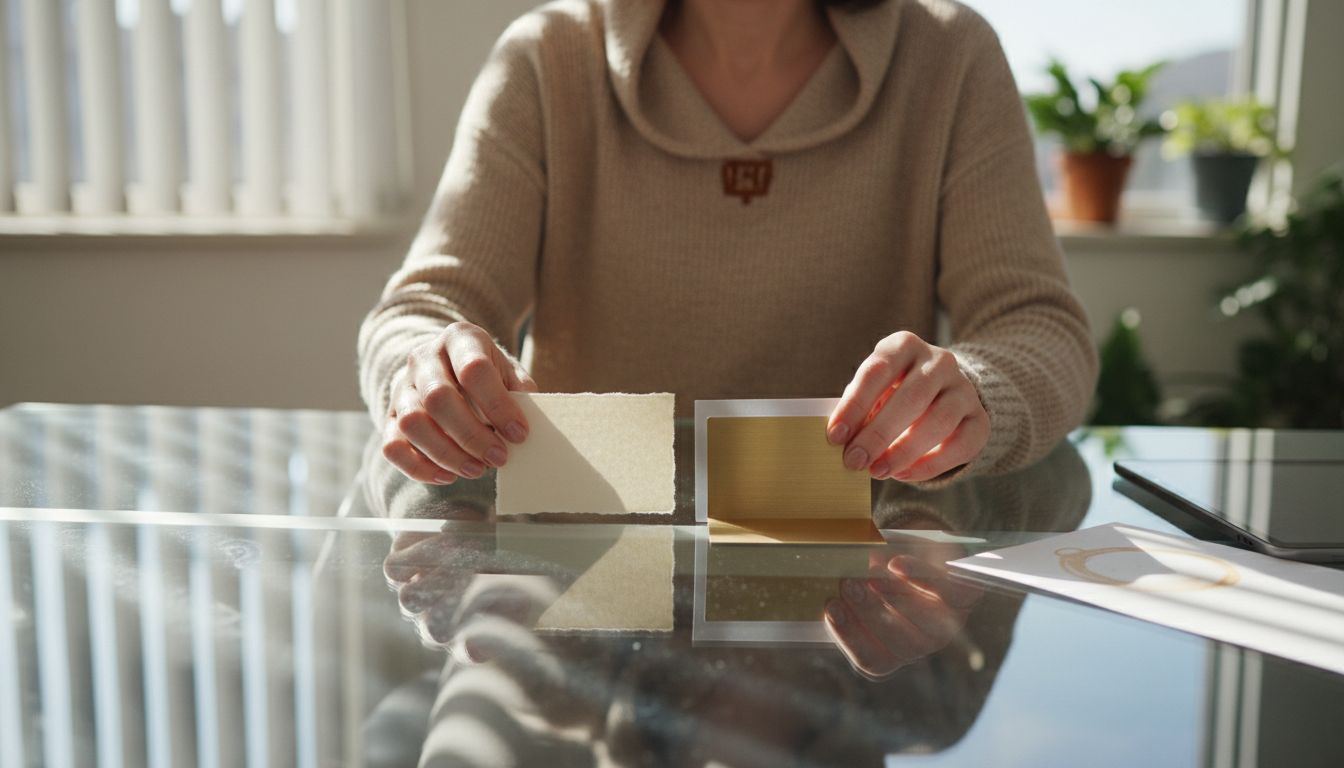
Surface behavior transforms a simple card into a sensory experience. Material properties impact visual and tactile interactions through intricate surface treatments. Matte finishes suggest understated sophistication, creating soft light absorption that feels refined. Glossy surfaces reflect light dramatically, producing a sharp, modern aesthetic. Textured stocks like linen or canvas introduce additional complexity, allowing brands to communicate depth and intentionality through microscopic surface variations.
Rigidity plays a crucial role beyond initial impressions. Different materials exhibit unique structural behaviors—cotton papers maintain elegant flexibility, while metallic and plastic stocks provide remarkable structural integrity. Designers must balance aesthetic preferences with practical considerations like card storage, potential folding, and long-term durability. A business card that maintains its shape and quality through repeated handling becomes a lasting brand ambassador.
Pro tip: Always test material samples under different lighting conditions and handle them extensively to understand their true performance characteristics.
Print Compatibility and Design Impact
Color reproduction represents the critical intersection between material selection and visual branding. Print materials challenge innovative design workflows, demanding precise understanding of substrate interactions. Different materials absorb and reflect colors uniquely—glossy plastic stocks create vibrant, saturated color profiles, while textured paper stocks introduce subtle depth and nuanced color interpretation. Designers must carefully consider how each material transforms color perception.
Print compatibility depends on intricate material properties, including surface absorbency, texture, and thickness. Metallic and plastic stocks require specialized inks with superior adhesion capabilities, while cotton and textured papers demand carefully calibrated printing techniques. Letterpress, foil stamping, and digital printing each interact differently with material surfaces, necessitating a strategic approach to design execution.
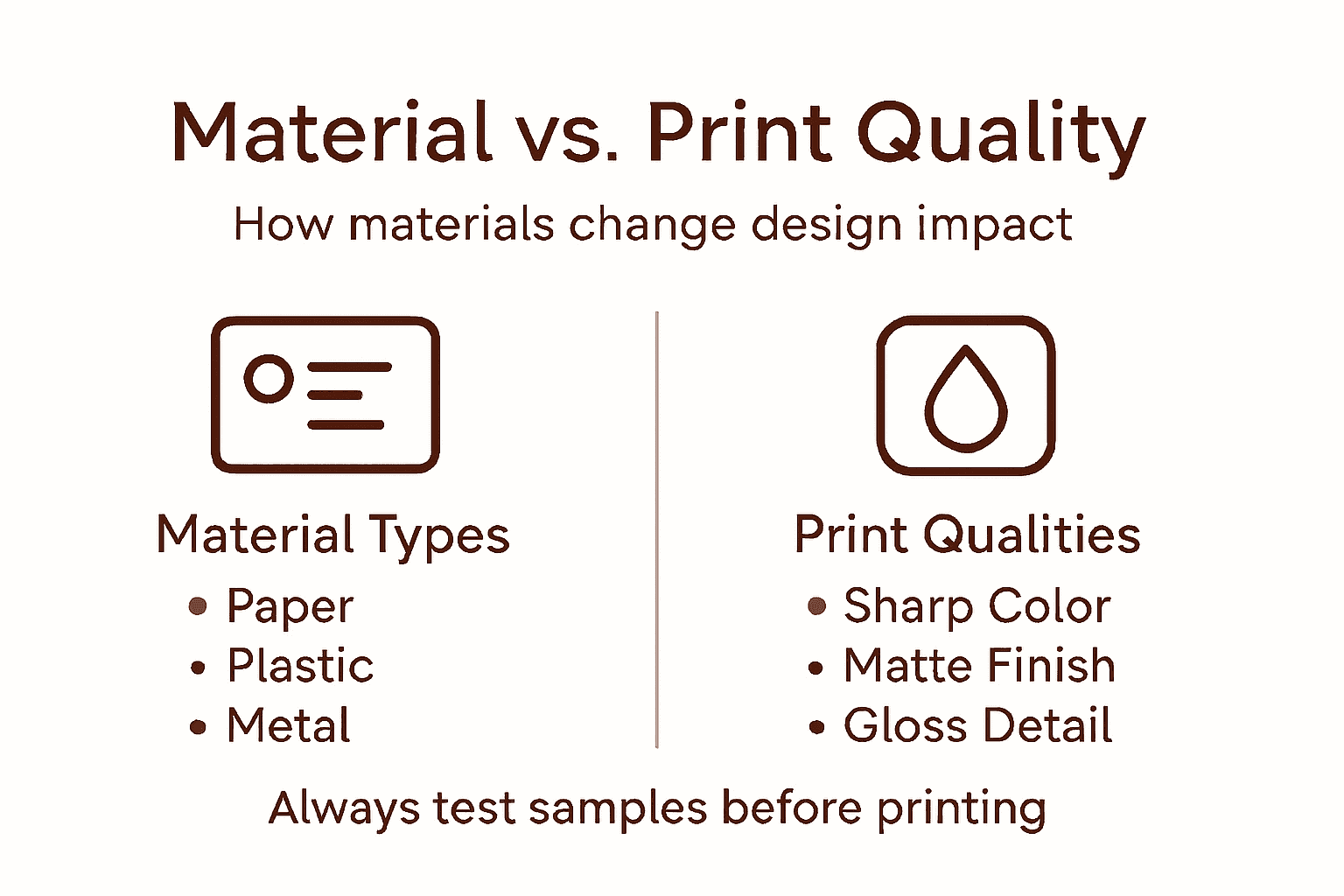
The relationship between material and printing technique creates complex design possibilities. Translucent plastics enable layered visual effects, metallic papers allow dramatic light interactions, and textured stocks provide tactile dimensionality. Successful luxury business card design requires understanding these nuanced interactions, transforming print from a mere reproduction process into a sophisticated brand communication medium.
Below is a summary of how material properties affect print quality and color fidelity:
| Material Property | Effect on Print Quality | Designer Priority |
|---|---|---|
| Surface Texture | Alters ink absorption, produces depth | Choose texture for tactile differentiation |
| Card Thickness | Supports embossing, affects rigidity | Balance weight with desired finish |
| Finish Type | Influences color vibrancy and gloss | Select finish for brand’s visual tone |
Pro tip: Collaborate directly with print specialists who can provide substrate-specific printing recommendations and conduct comprehensive material compatibility tests.
Material Limitations and Maintenance
Material vulnerabilities emerge as critical considerations in luxury business card design. Sustainable material management principles reveal that each substrate possesses unique maintenance challenges. Plastic cards resist water and wear but accumulate fingerprints easily. Paper stocks, while elegant, remain susceptible to moisture damage and edge fraying. Metal and composite materials demand specialized cleaning techniques to preserve their pristine appearance.
Material limitations significantly impact manufacturing and lifecycle costs, requiring strategic maintenance protocols. Metallic and foil-stamped cards need careful handling to prevent scratching. Textured papers collect dust and oils more readily, necessitating protective storage. Environmental factors like humidity, direct sunlight, and temperature fluctuations can dramatically alter material integrity, transforming seemingly robust cards into fragile artifacts.
Each material category presents distinct maintenance requirements. Cotton papers benefit from archival storage methods, using acid-free containers and avoiding direct light exposure. Plastic cards require microfiber cleaning and storage away from heat sources. Specialty materials like wood veneer or metal composites often need professional restoration techniques to maintain their original luster. The goal remains preserving the card’s initial visual and tactile impact, ensuring it continues to communicate brand excellence through its physical presence.
Pro tip: Store business cards in climate-controlled environments and handle them by their edges to minimize potential surface degradation.
Elevate Your Brand with the Perfect Luxury Business Card Material
Choosing the right material for your luxury business card is crucial for making a lasting impression. Whether you want to convey classic sophistication with textured paper or showcase modern innovation with plastic stocks, understanding how material choice shapes perception can transform your brand identity. If you value refined tactile experiences and expert guidance to match your unique design vision, exploring options like our Textured Paper Business Cards can help you communicate professionalism and quality.
Discover bespoke business card solutions at BcardsCreation where every project is crafted without templates or automation. Act now to access premium, small-batch craftsmanship tailored to your brand’s positioning. Start creating your exclusive luxury card today and experience the power of thoughtful material selection combined with advanced finishing techniques. Visit our Velvet Business Cards collection to feel the difference custom texture makes.
Frequently Asked Questions
What types of materials are best for luxury business cards?
Luxury business cards can be made from various materials including paper, plastic, and specialty stocks like wood veneer or metal-infused papers. Each material offers unique branding implications and tactile experiences that reflect a brand’s values.
How does the weight of a business card influence brand perception?
The weight of a business card serves as a tactile signal of quality. Heavier stocks (300-600 gsm) communicate a substantial presence and attention to detail, while lighter stocks (200-250 gsm) offer a contemporary feel that may be perceived as casual or flexible.
What should I consider when choosing a material for my luxury business card?
When choosing a material, consider factors such as durability, print compatibility, surface behavior, and the eco impact of the material. Each choice will affect not only the visual appeal but also how the card is perceived and maintained.
How do different finishes affect the appearance of my business card?
Different finishes can significantly impact color vibrancy and texture. For instance, glossy finishes can produce vibrant colors, while matte finishes add sophistication. Textured finishes can enhance tactile experiences and depth, making them a crucial part of the design process.
Recommended
- Raised Foil Business Cards | Thick Double-layered Art Paper – BcardsCreation
- Thick WHITE VELVET Multilayer Business cards Blind Debossing – BcardsCreation
- Letterpress Business Card with full color print and real foil Rose Gol – BcardsCreation
- Fine Paper Double layered Business Card with Real Gold / Silver Foils, – BcardsCreation
- Matcha notebook – EQUA - Sustainable Water Bottles


