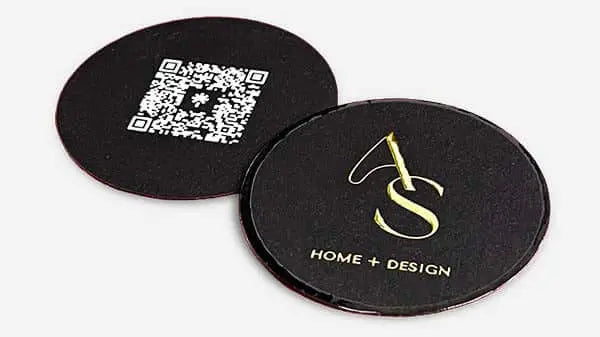


Why Luxury Business Cards Attract Discerning Clients
Most American professionals underestimate just how much influence a business card can have, even in today’s digital world. Studies show that 62 percent of recipients are more likely to engage after receiving a well-crafted card, revealing a hidden layer of brand impact that many overlook. Understanding the subtle differences between fake luxury and genuine design restraint is key if you want your card to become a silent ambassador for your professional identity.
Table of Contents
- Defining Luxury Business Cards and Common Myths
- How Physical Details Shape First Impressions
- Materials as Silent Signals of Credibility
- The Subconscious Impact of Tactile Design
- Mistakes of Fake Luxury Versus Authentic Restraint
- When Luxury Cards Truly Enhance Brand Perception
Key Takeaways
| Point | Details |
|---|---|
| Luxury Business Cards are Strategic Tools | They represent professional identity and brand positioning, exceeding mere contact information. |
| Material and Design Matter | High-quality materials and minimalistic designs are key for conveying professionalism and sophistication. |
| Tactile Experience Influences Perception | The physical characteristics of a card, such as texture and weight, impact first impressions and professional credibility. |
| Authenticity Over Flashiness | True luxury lies in material honesty and design restraint, avoiding superficial embellishments that can signal insecurity. |
Defining Luxury Business Cards and Common Myths
A luxury business card is more than just a printed piece of paper. It represents a strategic communication tool that reflects professional identity, brand positioning, and personal craftsmanship. When designed thoughtfully, these cards transcend mere contact information and become sophisticated brand ambassadors.
Contrary to popular misconceptions, luxury is not about flashy gold foil or excessive ornamentation. Consumers’ perceptions of luxury brands reveal a nuanced understanding of quality that goes far beyond surface-level embellishments. True luxury emerges through material integrity, precision of design, and subtle refinement. A truly exceptional business card communicates professionalism through understated elegance - clean lines, exceptional paper quality, and thoughtful finishing techniques.
The most common myths about luxury business cards include believing that expensive materials automatically signal prestige or that complicated designs demonstrate sophistication. In reality, discerning professionals recognize authentic luxury through material honesty and design restraint. Tactile experience matters more than visual complexity. The weight of the paper, the smoothness of its finish, and the precision of its edges speak volumes about professional standards.
Pro Tip: Material Selection Strategy: When choosing a business card, prioritize high-quality, matte-finish papers with substantial weight and minimal coating. Select materials that feel substantial and communicate understated professionalism without relying on ornate decorations.
How Physical Details Shape First Impressions
First impressions are formed within milliseconds, and for professionals, a business card serves as a critical visual and tactile representation of personal brand and competence. Research on business card interactions reveals that 62% of consumers are more likely to engage with a business after receiving a physical card, underscoring the profound psychological impact of these seemingly simple artifacts.
The physical characteristics of a business card communicate far more than contact information. Texture, weight, and finish are silent communicators of professional sophistication. A card with substantial paper stock suggests reliability and intentionality, while a flimsy or cheap-feeling card can inadvertently signal carelessness. Professionals understand that these subtle material choices transmit nonverbal signals about attention to detail and personal standards.
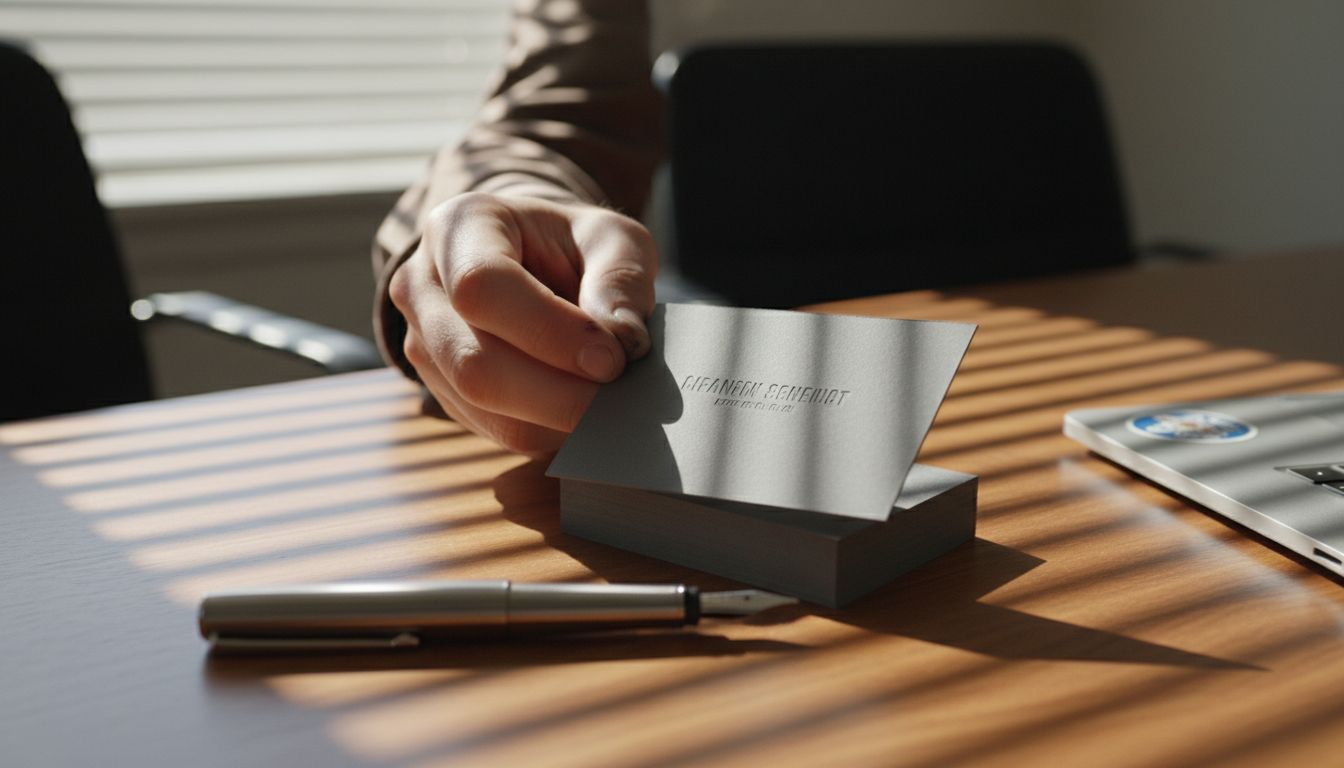
Physical details like paper grain, edge precision, and subtle design elements create a multisensory experience that goes beyond visual aesthetics. Professional design insights highlight how tactile interactions with business cards generate lasting impressions that can influence professional perceptions. The way a card feels when someone receives it - the slight resistance of high-quality paper, the crisp edges, the balanced weight - all contribute to an immediate and subconscious evaluation of professional credibility.
Pro Tip: Sensory Impression Strategy: Always test your business card’s physical feel by having multiple professionals handle and provide feedback. Observe their initial reactions and microexpressions to understand how your card’s physical details communicate your professional brand.
Materials as Silent Signals of Credibility
Material selection represents a sophisticated language of professional communication that extends far beyond visual aesthetics. Professional business cards function as silent ambassadors, with each material choice communicating intricate details about personal brand, attention to detail, and professional standards.
Different materials convey nuanced psychological signals. Cotton-based papers suggest tradition and reliability, while translucent plastics might indicate innovation and modern thinking. Textured papers communicate depth and intentionality, whereas smooth finishes can signal precision and streamlined professionalism. Raised foil business cards with double-layered art paper demonstrate a commitment to craftsmanship that goes beyond basic contact information.
Professionals understand that material credibility emerges through subtle interactions. The weight of the paper, its tactile resistance, subtle grain variations, and structural integrity all contribute to an immediate yet subconscious assessment of professional competence. A well-chosen material communicates volumes about personal standards without uttering a single word - it becomes a nonverbal representation of professional identity, quality, and sophistication.
Pro Tip: Material Authenticity Assessment: Select business card materials that genuinely reflect your professional persona, avoiding trendy but inauthentic options. Choose materials that feel natural, align with your industry’s expectations, and communicate your unique professional narrative.
The Subconscious Impact of Tactile Design
Tactile design operates on a profound psychological level, engaging sensory experiences that bypass rational analysis and communicate directly with our subconscious perception of quality. Professional business cards are more than printed information - they are intricate sensory instruments that trigger complex emotional and professional evaluations within milliseconds of physical contact.
The human brain processes tactile information through neural pathways that connect directly to emotional and memory centers, creating instantaneous impressions that rational thought cannot easily override. Diamond business cards with frosted plastic and custom shape design demonstrate how unconventional textures and unexpected physical interactions can create memorable sensory experiences that distinguish a professional’s brand.
Subtle design elements like edge smoothness, paper weight, surface tension, and thermal conductivity all contribute to an unconscious assessment of credibility. Professionals who understand these nuanced interactions can strategically design business cards that communicate sophistication, reliability, and attention to detail through pure tactile language. The way a card responds to touch - its slight flexibility, resistance, and temperature transfer - becomes a silent dialogue about professional standards and personal integrity.
Pro Tip: Tactile Feedback Strategy: Prototype multiple business card designs and conduct blind touch tests with professionals in your network. Observe their unfiltered reactions and micro-expressions to understand how physical design communicates your professional narrative without words.
Mistakes of Fake Luxury Versus Authentic Restraint
Fake luxury represents a profound misunderstanding of professional sophistication, where superficial embellishments mask underlying mediocrity. Professionals often mistake excessive decoration, flashy metallic finishes, or overly complex designs as indicators of quality, when in reality, these elements frequently communicate insecurity and lack of genuine craftsmanship.
High-quality business card design requires careful consideration of materials and finishes to avoid appearing cheap or unprofessional. Authentic luxury emerges through deliberate restraint, precise material selection, and subtle design choices that demonstrate thoughtful intentionality. Gold foil, embossing, and elaborate typography become meaningful only when they serve a clear communicative purpose, not as decorative distractions.
The most sophisticated professionals understand that true luxury is about material honesty and functional elegance. A business card’s value lies in its ability to communicate professional identity through understated design elements - minimal typography, carefully chosen paper stocks, precise die-cutting, and thoughtful negative space. Each design choice should feel intentional, eliminating visual noise and allowing the core message to breathe with clarity and confidence.
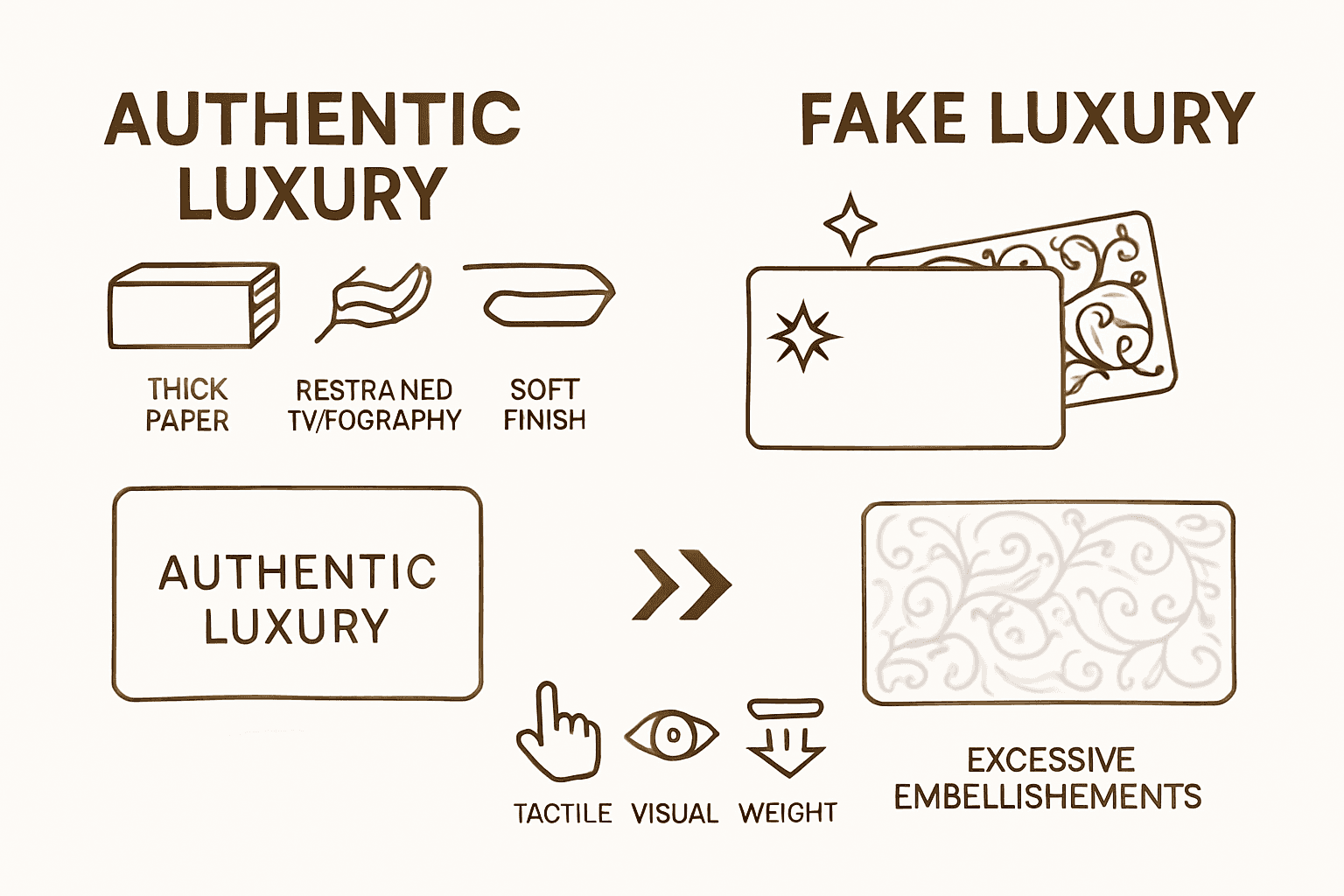
Here is a comparison of authentic versus fake luxury in business card design:
| Aspect | Authentic Luxury | Fake Luxury |
|---|---|---|
| Material Selection | Thoughtfully curated, tactile | Chosen for visual impact only |
| Design Philosophy | Minimalist and intentional | Overly ornate and complex |
| Brand Message | Subtle confidence, clarity | Insecurity, lack of coherence |
| Impression Left | Professional, credible, refined | Distracting, flashy, less credible |
Pro Tip: Authentic Design Assessment: Regularly deconstruct your business card design by removing one element at a time. If removing an element makes the card stronger and clearer, it was likely unnecessary ornamentation masquerading as sophistication.
When Luxury Cards Truly Enhance Brand Perception
Brand perception transcends mere visual aesthetics, representing a complex psychological landscape where professional identity is communicated through nuanced design choices. Truly exceptional business cards function as strategic brand ambassadors, transforming simple contact information into powerful narrative instruments that speak volumes about professional standards and personal integrity.
Luxury business cards with thick stock and bold finishes can enhance brand perception by building trust and conveying professionalism. Thick white velvet multilayered business cards with blind debossing exemplify how sophisticated material choices communicate depth, precision, and intentional branding beyond superficial design elements.
Authentic brand enhancement occurs when every design element serves a strategic purpose. Professionals who understand this principle create business cards that are not merely decorative artifacts but powerful communication tools. The most compelling cards leverage subtle design languages - precise typography, carefully selected materials, and thoughtful negative space - to articulate professional identity with remarkable clarity and confidence. These cards become silent yet eloquent representations of personal brand philosophy.
Below is a summary of how business card materials influence brand perception:
| Material Type | Impression Conveyed | Typical Industry Use |
|---|---|---|
| Cotton-Based Paper | Tradition, reliability | Finance, law |
| Translucent Plastic | Innovation, modernity | Tech, creative |
| Textured Paper | Depth, intentionality | Luxury retail, consulting |
| Velvet Multilayered | Premium, exclusivity | High-end services |
Pro Tip: Brand Narrative Assessment: Deconstruct your current business card design and evaluate each element through the lens of storytelling. If an element does not contribute to communicating your professional narrative, it weakens rather than strengthens your brand perception.
Elevate Your First Impression with Luxury Business Cards
Many professionals underestimate how a business card’s tactile design and material authenticity shape client perceptions. This article highlights how noteworthy details like texture, weight, and subtle finishes build subconscious trust with discerning clients. If you want to avoid the pitfalls of fake luxury and communicate genuine sophistication, material selection and intentional design are keys to success.
Discover how you can transform your professional identity with premium options from BcardsCreation. Explore our Textured Paper Business Cards and Velvet Business Cards collections to command attention without resorting to flashy gimmicks.
Make a lasting, refined impression by choosing custom-crafted business cards designed without templates or automated editors. Visit BcardsCreation today to start a personalized project and stand out with subtle confidence trusted by true professionals.
Frequently Asked Questions
What defines a luxury business card?
A luxury business card is characterized by high-quality materials, thoughtful design, and a focus on tactile experiences that communicate professionalism and sophistication beyond just contact information.
How do materials influence the perception of luxury business cards?
Different materials, such as cotton-based papers or textured finishes, convey nuanced messages about reliability, innovation, and craftsmanship, significantly impacting a client’s perception of the professional behind the card.
What are some common mistakes to avoid when designing luxury business cards?
Common mistakes include using overly ornate designs, cheap materials, or distracting embellishments that mask the card’s quality. Instead, focus on minimalism, authenticity, and well-chosen materials to convey genuine luxury.
Why is tactile design important for luxury business cards?
Tactile design engages the senses and influences subconscious evaluations, making the physical feel of a business card crucial. High-quality materials and design elements establish immediate credibility and leave lasting impressions with clients.
Recommended
- Raised Foil Business Cards | Thick Double-layered Art Paper – BcardsCreation
- Diamond Business Cards | Frosted Plastic | Custom shape card – BcardsCreation
- Fine Paper Double layered Business Card with Neon and Purple Foils, Th – BcardsCreation
- Fine Paper Double layered Business Card with Real Gold / Silver Foils, – BcardsCreation
- The Rise of Pre-Loved Luxury: Why Secondhand Designer Bags Are a Very


