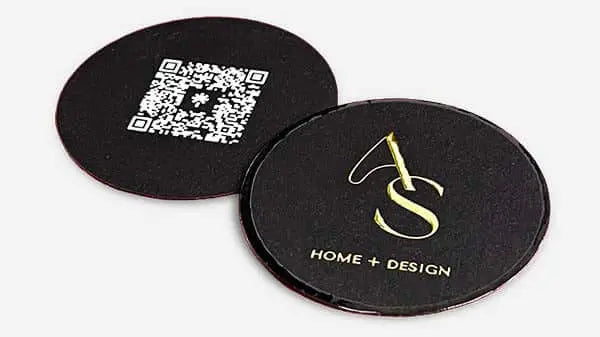


Why Use Plastic Business Cards for Lasting Brand Impact
Over 60 percent of American professionals say a unique business card influences their impression of a brand. In highly competitive networks, the first contact can determine whether your name gets remembered or forgotten. Plastic business cards stand out as premium tools that communicate innovation and commitment, giving your introduction a sophisticated edge that standard paper cards cannot match.
Table of Contents
- Defining Plastic Business Cards As Premium Tools
- Design Variations And Material Distinctions
- Tactile Experience And Sensory Brand Positioning
- Strategic Use Cases In Professional Branding
- Comparing Plastic Versus Paper For Brand Impact
Key Takeaways
| Point | Details |
| Plastic Business Cards Signal Quality | The choice of material communicates an organization’s commitment to quality and innovation. |
| Advanced Design Options | Plastic cards allow for intricate designs and textures that enhance brand storytelling. |
| Tactile Experience Influences Perception | Different finishes can evoke emotional responses, making the physical card a powerful branding tool. |
| Durability Improves Brand Visibility | Plastic cards withstand wear and environmental conditions, ensuring consistent brand representation over time. |
Defining Plastic Business Cards as Premium Tools
Plastic business cards represent more than just contact information - they are strategic brand communication instruments engineered to make an immediate, lasting impression. Unlike traditional paper cards, these premium tools transform networking from a transactional exchange into a sophisticated brand experience. Modern business professionals recognize that material selection communicates volumes about organizational standards and creative vision.
The fundamental differentiator of plastic business cards lies in their deliberate design philosophy. Crafted from high-grade polymers like PVC or polycarbonate, these cards offer unparalleled durability and visual refinement. Their structural integrity allows for complex design elements impossible with standard paper - including precise die-cutting, multi-layered transparency, embedded metallic accents, and intricate textural variations that engage multiple sensory dimensions.
Strategically, plastic business cards function as miniature brand ambassadors. They signal organizational commitment to quality through material selection, suggesting that a company invests in precision, innovation, and memorable client interactions. For industries demanding visual sophistication - such as design, architecture, technology, and luxury services - these cards become powerful non-verbal communication tools that extend brand narrative beyond verbal introductions.
Pro Tip: Material Matching: Select a plastic card material and finish that authentically reflects your brand’s core identity, treating the card as a tangible extension of your professional persona.
Design Variations and Material Distinctions
Plastic business cards transcend traditional printing techniques, offering a sophisticated canvas for brand expression through innovative material technologies. Transparent plastic cards represent one of the most compelling design strategies, allowing creative professionals to reimagine networking materials as interactive visual experiences.
Material variations in plastic business cards create distinct sensory and visual narratives. Designers can select from multiple polymer compositions - including frosted polycarbonate, crystal-clear PVC, metallic-infused polymers, and translucent materials - each offering unique aesthetic and functional properties. These materials enable advanced design techniques like:- Partial transparency- Embedded holographic elements- Precision edge cutting- Multi-layered color gradients- Intricate textural impressions

Advanced manufacturing techniques transform plastic into a storytelling medium. Holographic finishes can create depth and movement, while metallic substrates introduce an element of luxury that traditional paper cards cannot replicate. Industries like technology, design, and luxury services particularly benefit from these sophisticated material choices, using business cards as sophisticated brand communication instruments that communicate innovation and attention to detail.
Pro Tip: Design Exploration: Experiment with multiple material samples before finalizing your plastic business card design, understanding how light, texture, and transparency interact with your specific brand aesthetic.
Here is a summary of key material choices and their business impact for plastic business cards:
| Material Type | Visual Impression | Common Applications | Notable Advantage |
| Clear PVC | Sleek, modern | Tech firms, consultants | Enhances transparency effects |
| Frosted Polycarbonate | Subtle, refined | Design studios, artists | Hides fingerprints, unique feel |
| Metallic Polymers | Luxurious, premium | Luxury goods, realtors | Conveys exclusivity and status |
| Translucent Materials | Playful, creative | Creative agencies | Offers layered design options |
| Holographic Surfaces | Dynamic, futuristic | Innovators, startups | Adds movement and depth |
Tactile Experience and Sensory Brand Positioning
Exceptional business cards transform the act of networking through sophisticated sensory interaction. Plastic business cards transcend traditional paper exchanges by creating a multisensory experience that engages touch, sight, and psychological perception simultaneously. The physical weight, smooth or textured surface, and precise engineering communicate a narrative of precision and intentionality before a single word is spoken.
The tactile dimension of plastic business cards operates on a profound psychological level. Different material finishes - from frosted translucence to high-gloss metallic surfaces - trigger specific emotional responses. A sleek, cool polymer surface suggests technological innovation, while a textured finish might communicate craftsmanship and artisanal attention. These nuanced material choices allow professionals to craft a nonverbal brand statement that resonates beyond conventional visual communication.
Strategic sensory design transforms the business card from a mere information carrier into a brand experience instrument. Industries requiring sophisticated brand positioning - such as technology, design, luxury services, and creative consulting - can leverage these tactile variations to create memorable first impressions. The card becomes a three-dimensional brand ambassador, communicating organizational values through its physical presence, weight, and interactive potential.
Pro Tip: Sensory Calibration: Test your plastic business card’s tactile qualities with potential clients or colleagues, gathering nuanced feedback about the emotional and professional impressions it generates.
Strategic Use Cases in Professional Branding
Professional industries increasingly recognize plastic business cards as strategic differentiation tools that extend beyond conventional networking materials. These advanced communication instruments allow brands to communicate sophistication, technological prowess, and meticulous attention to detail through a single tactile interaction. Creative professionals, technology innovators, and luxury service providers particularly benefit from this nuanced approach to brand representation.
The strategic deployment of plastic business cards varies across professional domains. Technology companies leverage sleek, minimalist designs with embedded holographic elements to signal innovation. Design studios utilize intricate cutouts and translucent materials to showcase creative capabilities. Luxury brands employ metallic substrates and precision craftsmanship to communicate exclusivity. Each material and design choice becomes a deliberate statement about organizational identity and professional values.
Beyond aesthetic considerations, plastic business cards serve critical functional purposes in professional networking. Their durability ensures prolonged brand visibility, resisting wear that would compromise traditional paper cards. Financial advisors, real estate professionals, and consultative services particularly appreciate this longevity, as their cards represent ongoing professional relationships. The physical resilience becomes a metaphor for the reliability and consistency of the professional services they represent.
Pro Tip: Strategic Alignment: Select your plastic business card design as an extension of your professional narrative, ensuring every design element intentionally communicates your unique value proposition.
Comparing Plastic Versus Paper for Brand Impact
Plastic business cards fundamentally transform the traditional networking paradigm by offering superior durability and brand representation compared to conventional paper alternatives. While paper cards quickly degrade, becoming crumpled, faded, or accidentally discarded, plastic cards maintain their pristine appearance and structural integrity, ensuring prolonged brand visibility and professional perception.
The comparative advantages of plastic business cards extend beyond physical durability into psychological brand positioning. Paper cards communicate disposability and transience, suggesting an interchangeable professional identity. In contrast, plastic cards signal intentionality, precision, and commitment. The material itself becomes a nonverbal communication tool - its weight, texture, and resilience speaking volumes about organizational standards before a single word is read.
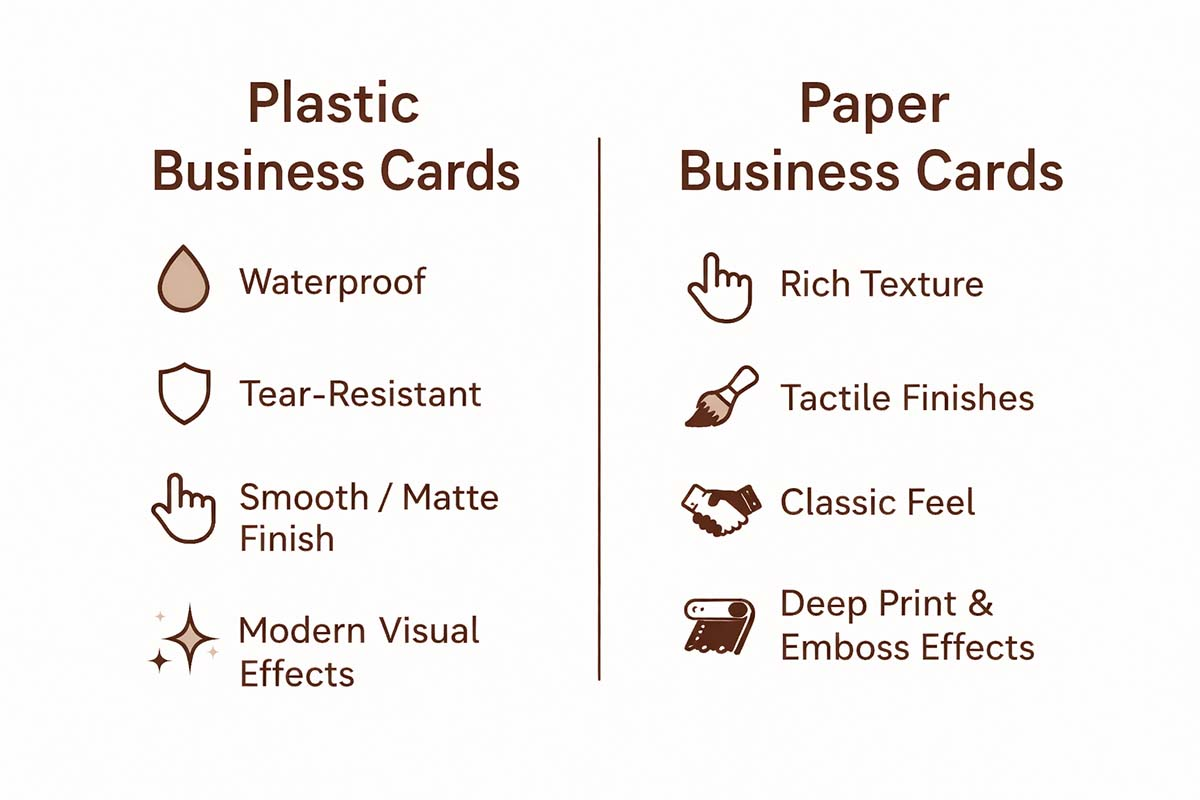
Beyond aesthetic considerations, plastic cards offer practical advantages that paper cannot match. Their resistance to environmental factors like moisture, temperature fluctuations, and physical handling ensures that contact information remains legible and professional presentation remains intact. Industries requiring consistent brand representation - such as technology, design, luxury services, and high-end consulting - find plastic cards particularly valuable as enduring brand ambassadors that communicate sophisticated brand narratives.
The following table compares plastic and paper business cards in terms of professional branding impact:
| Factor | Plastic Business Cards | Paper Business Cards |
| Durability | Resistant to wear and water | Prone to crumpling, tearing |
| Brand Perception | Conveys innovation and quality | Feels conventional, less durable |
| Design Versatility | Allows unique effects | Limited to basic prints |
| Longevity | Remains pristine for years | Degrades quickly over time |
| Sensory Appeal | Engages multiple senses | Simple tactile experience |
Pro Tip: Material Messaging: Choose your business card material as strategically as you would select your professional attire, understanding that every physical touchpoint communicates your brand’s core values and professional standards.
Elevate Your Brand with Custom Plastic Business Cards
Plastic business cards are more than just durable contact tools. They solve the challenge of making a lasting professional impression that communicates quality, innovation, and sophistication. If you want your brand identity to resonate through tactile experience and unique design elements like holographic finishes or layered transparency, personalized plastic cards are the answer. These cards are a true extension of your professional narrative, not just another disposable paper card.
Discover the creative possibilities by exploring our wide selection of Plastic Business Cards and refine your identity with options such as White Plastic Business Cards or Clear Plastic Business Cards.
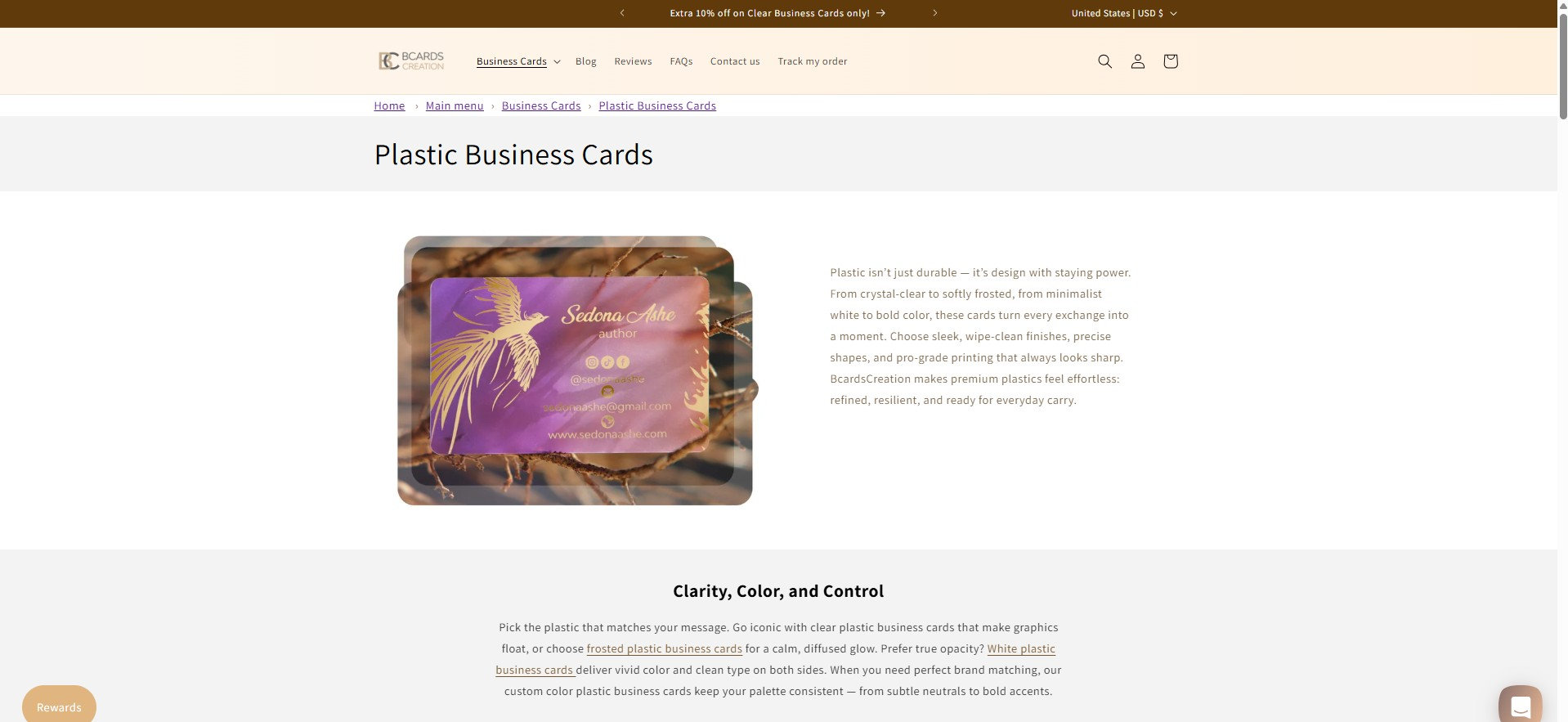
Unlock the power of tactile branding with BcardsCreation. Each project is individually crafted with expert design guidance and precision production to ensure your cards stand out in a crowded market. Visit BcardsCreation today to start creating business cards that do more than share your information—they tell your brand story with unmatched style and durability. Act now to transform how clients and partners experience your professional identity.
Frequently Asked Questions
Why are plastic business cards considered premium tools?
Plastic business cards are considered premium tools because they are made from durable materials like PVC or polycarbonate, allowing for intricate design features and a sophisticated appearance that enhances brand representation.
What are the benefits of using plastic business cards over paper cards?
Plastic business cards offer superior durability, a wide range of design possibilities, and a more luxurious feel compared to paper cards. They maintain their appearance over time, ensuring a longer-lasting brand impact.
How do the materials of plastic business cards influence brand perception?
Different materials, such as frosted polycarbonate or metallic polymers, create varying sensory experiences that communicate specific brand values. For instance, metallic finishes convey luxury, while clear cards suggest modernity and innovation.
Can plastic business cards enhance my networking strategy?
Yes, plastic business cards can significantly enhance your networking strategy by serving as memorable brand ambassadors. Their unique design and tactile qualities create a lasting impression, making it easier for potential clients and partners to remember you.
Recommended
- Acrylic Card Holder | Personalized Business Card Holder for Desk – BcardsCreation
- Diamond Business Cards | Frosted Plastic | Custom shape card – BcardsCreation
- Transparent Plastic Business Cards | Full-color Printing with White in – BcardsCreation
- Fine Paper Double layered Business Card with Neon and Purple Foils, Th – BcardsCreation


