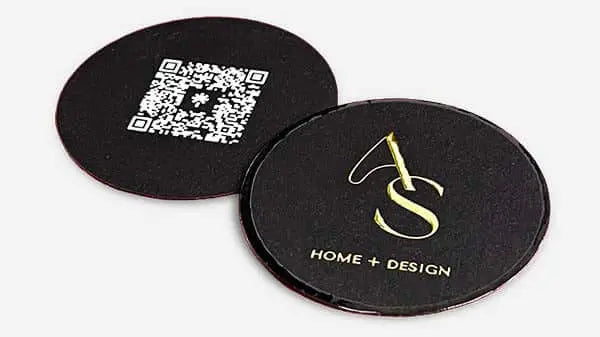


Printing Techniques Explained: Shaping Brand Story
Selecting the right printing technique can instantly shift how a business card is perceived in professional settings. In the world of American luxury branding, the interplay between material and method becomes a clear statement of quality and intent. When crafted with care, elements like foil stamping or textured finishes transform brand communications into memorable tactile experiences. This article reveals how strategic printing choices serve as silent ambassadors, communicating sophistication and depth at first touch.
Table of Contents
- How Printing Techniques Shape Perceptions
- Foil, Embossing, And Luxury Signals
- Texture, Plastic, And Material Impact
- What Printing Choices Say About Brands
- Mistakes To Avoid With Design And Technique
Key Takeaways
| Point | Details |
|---|---|
| Printing Techniques Influence Perception | The choice of printing method and materials conveys brand identity and quality, impacting audience engagement directly. |
| Luxury Techniques Communicate Exclusivity | Techniques like foil stamping and embossing enhance perceived value and create memorable sensory experiences for brand representation. |
| Material Choices Reflect Brand Values | The type of materials used, such as recycled or textured options, signals a brand’s commitment to sustainability and ethical practices. |
| Design Integrity is Essential | Avoid common design mistakes to maintain professionalism; precision in printing choices ensures strong brand communication and credibility. |
How Printing Techniques Shape Perceptions
Printing techniques do far more than simply transfer words onto paper. They are sophisticated communication tools that transform how audiences perceive and engage with professional materials. In the world of business communications, material selection and printing method become powerful signals about brand identity, quality, and strategic intent.
The evolution of printing technology has profoundly influenced societal communication, with each technique carrying unique psychological implications. Printing technologies fundamentally reshape communication methods, turning abstract ideas into tangible experiences that audiences can touch, feel, and interpret. This physicality creates an immediate emotional and intellectual connection that digital media cannot replicate.
Key perceptual signals in printing include:
- Texture: Communicates sophistication and attention to detail
- Weight: Indicates substance and perceived value
- Finish: Signals professionalism and brand positioning
- Material choice: Demonstrates strategic thinking and investment in presentation
Paper and printing techniques become silent brand ambassadors, communicating messages beyond written content. A textured cotton paper with letterpress printing speaks differently than a glossy digital print - each technique creates a unique sensory experience that subtly influences perception.
Communication technologies shape collective understanding by determining which ideas are preserved and highlighted. The medium itself becomes part of the message, transforming how information is received and interpreted.
Pro tip: Treat your printed materials as strategic communication tools, not just information carriers.
Foil, Embossing, and Luxury Signals
Luxury printing techniques transform ordinary business materials into sophisticated brand statements. Beyond mere information transfer, foil stamping and embossing create powerful sensory experiences that communicate exclusivity, precision, and strategic intent before a single word is read.

Specialty printing effects signal high-end brand quality, turning business cards and marketing materials into tangible representations of professional excellence. These techniques go far beyond decoration - they’re strategic communication tools that speak directly to a brand’s positioning and attention to detail.
Key luxury printing signals include:
- Foil stamping: Creates metallic, reflective surfaces that catch light and attention
- Embossing: Adds dimensional depth and tactile sophistication
- Raised lettering: Communicates precision and intentional design
- Metallic finishes: Suggests premium positioning and exclusivity
The psychological impact of these techniques is profound. Foil stamping and embossing create memorable visual impressions that transform how audiences perceive brand messaging. A business card with strategic metallic accents or subtle raised textures becomes more than paper - it’s a three-dimensional brand experience.
Here’s how common luxury printing techniques compare in creating brand impressions:
| Technique | Sensory Experience | Brand Signal |
|---|---|---|
| Foil Stamping | Metallic shine, reflection | Prestige, exclusivity |
| Embossing | Raised, tactile feel | Craftsmanship, quality |
| Raised Lettering | 3D texture, crisp lines | Modernity, precision |
| Metallic Finishes | Smooth, glossy sheen | Sophistication, luxury |
Printing techniques are silent ambassadors of brand quality, communicating sophistication through texture, reflection, and dimensionality.
Pro tip: Select printing techniques that authentically reflect your brand’s strategic positioning and professional narrative.
Texture, Plastic, and Material Impact
Material choices in business card design transcend simple aesthetics, becoming powerful communication tools that convey brand philosophy and professional intent. The texture, weight, and composition of a business card can speak volumes before a single word is read.
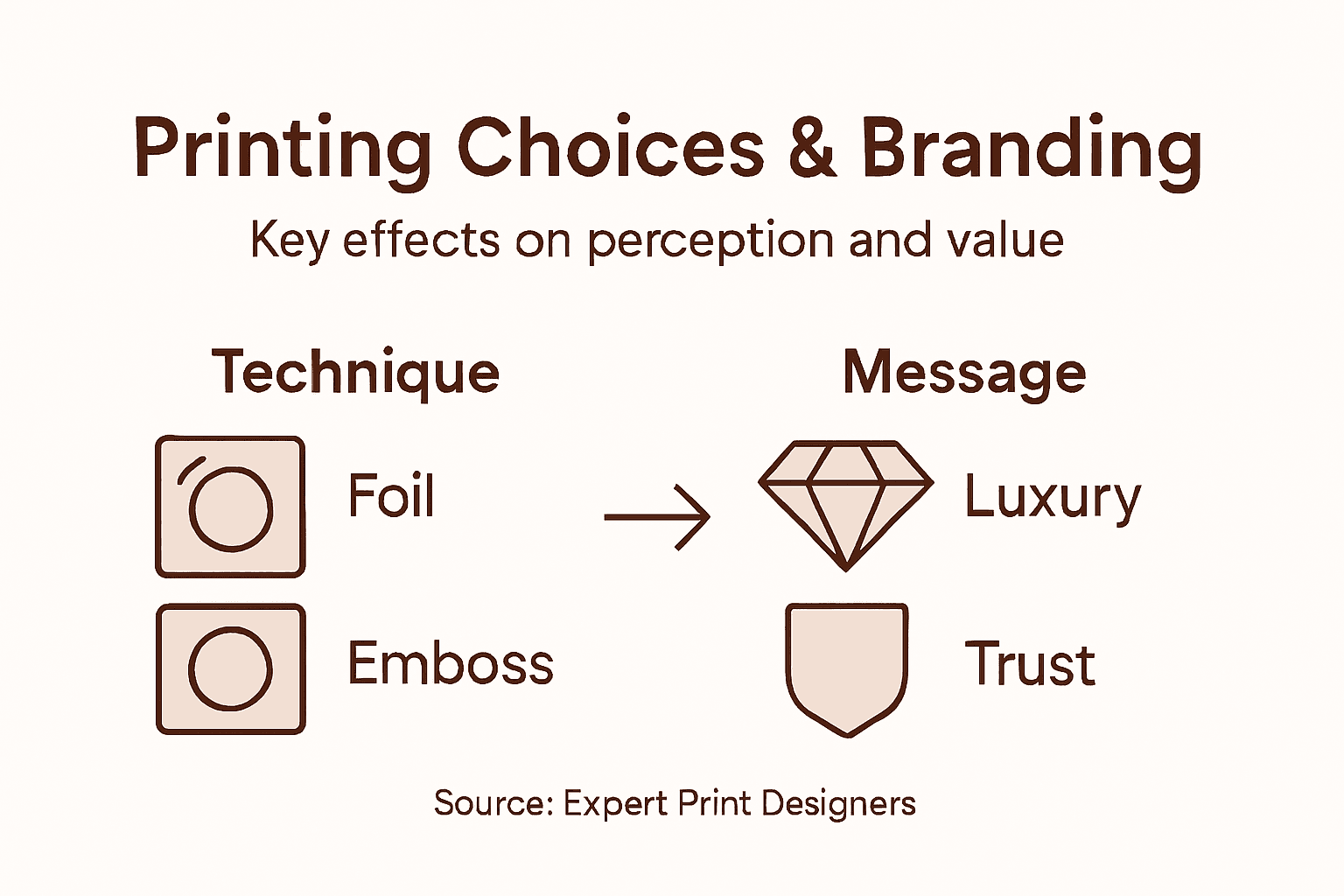
Modern material texturing transforms brand storytelling, turning physical materials into strategic design elements that engage multiple sensory experiences. A carefully selected material communicates sophistication, environmental consciousness, and attention to detail.
Key material impact signals include:
- Recycled plastics: Communicate environmental responsibility
- Textured surfaces: Create memorable tactile experiences
- Translucent materials: Suggest innovation and transparency
- Sustainable compositions: Demonstrate ethical brand positioning
Material choices reflect brand environmental commitment, transforming business cards from simple contact information carriers to nuanced brand statements. The strategic selection of printing materials becomes a silent dialogue about a company’s values, technological awareness, and professional approach.
Below is a quick reference to material choices and their organizational impact:
| Material Type | Environmental Message | Ideal For Brands Seeking |
|---|---|---|
| Recycled Plastics | Sustainability focus | Eco-conscious reputation |
| Textured Paper | Craft and authenticity | Handcrafted brand image |
| Translucent Plastics | Innovation, transparency | Tech-forward positioning |
| Sustainable Fibers | Ethical responsibility | Socially responsible appeal |
Every material tells a story - choose yours intentionally.
Pro tip: Select materials that authentically represent your brand’s core values and professional narrative.
What Printing Choices Say About Brands
Brand communication extends far beyond verbal messaging, with printing choices serving as sophisticated visual ambassadors that communicate professional identity, values, and strategic positioning. Every material, texture, and printing technique becomes a silent storyteller about an organization’s core philosophy.
Print materials shape brand credibility, transforming seemingly simple design decisions into powerful statements about organizational culture. The nuanced selection of printing techniques communicates depth, intentionality, and professional maturity that transcends traditional marketing approaches.
Key brand perception signals through printing include:
- Paper weight: Indicates seriousness and investment in quality
- Color fidelity: Demonstrates technical precision
- Finishing techniques: Reveals commitment to craftsmanship
- Material sustainability: Communicates environmental consciousness
- Tactile experiences: Provides emotional brand connection
Printing choices reveal brand professionalism, functioning as a multi-sensory communication channel that goes beyond visual information. The strategic approach to printing becomes a sophisticated language of brand expression, where every design choice tells a deeper narrative about organizational values and aspirations.
Your printing choices are not just design decisions - they are strategic brand declarations.
Pro tip: Approach printing as a holistic brand communication strategy, not just a functional necessity.
Mistakes to Avoid With Design and Technique
Design integrity in printing is a delicate balance between creative vision and technical precision. Professional brand materials demand more than aesthetic appeal - they require strategic technical execution that prevents costly errors and preserves brand credibility.
Printing design mistakes can critically undermine brand perception, transforming potentially powerful communication tools into amateurish representations. Understanding these pitfalls becomes essential for maintaining a sophisticated brand image.
Common technical design mistakes include:
- Color mode errors: Using RGB instead of CMYK
- Low resolution imagery: Creating pixelated, unprofessional visuals
- Insufficient bleed margins: Risking unintended content cropping
- Unembedded fonts: Potentially distorting typography
- Incorrect file formats: Compromising print quality
Professional print preparation requires meticulous technical checks, ensuring that creative intentions translate perfectly into physical materials. These pre-flight evaluations protect against production delays and maintain brand standards.
Technical precision is the invisible foundation of design excellence.
Pro tip: Always request a professional print proof before final production to catch potential technical issues.
Elevate Your Brand Story with Strategic Printing Choices
Understanding how printing techniques shape perceptions is essential for any professional aiming to create a lasting impression. If you want your business cards to communicate sophistication, brand values, and strategic intent, material selection and special finishes are key. Consider how texture, weight, and luxury effects like foil stamping can serve as silent yet powerful storytellers of your professionalism and brand identity.
Discover the art of business card design with Textured Paper Business Cards – BcardsCreation or explore the timeless elegance of Letterpress Business Cards – BcardsCreation. Each option offers a tactile and visual experience that aligns perfectly with your brand’s personality. Visit BcardsCreation’s full collection today and start crafting business cards that do more than just share your contact information. Make a bold, memorable statement that stands out now.
Frequently Asked Questions
What are the main printing techniques that influence brand perception?
Printing techniques such as foil stamping, embossing, and the choice of material significantly affect how audiences perceive a brand. These techniques convey messages about sophistication, quality, and attention to detail before any text is read.
How do material choices impact brand representation?
Material choices, including texture, weight, and sustainability, communicate a brand’s philosophy and values. For example, using recycled materials suggests environmental responsibility, while textured finishes indicate craftsmanship and sophistication.
Why is print quality important for brand credibility?
High print quality reflects an organization’s seriousness and investment in its brand image. Poor print quality can undermine credibility and lead people to perceive a brand as less professional.
What are some common printing design mistakes to avoid?
Common mistakes include using RGB color mode instead of CMYK, low-resolution images that appear pixelated, insufficient bleed margins for cropping, and unembedded fonts that can distort typography. Proper technical preparation is critical to maintain design integrity.
Recommended
- Top 8 Unique Business Card Solutions for 2026 – BcardsCreation
- Custom Stickers up to 1 inch, Transparent or White Stickers, Real Foil – BcardsCreation
- Raised Foil Custom Stickers | Free Design | 3 foils – BcardsCreation
- Diamond Business Cards | Frosted Plastic | Custom shape card – BcardsCreation
- Storytelling in Branding: Driving Emotional Connection | Reddog Consulting Group


