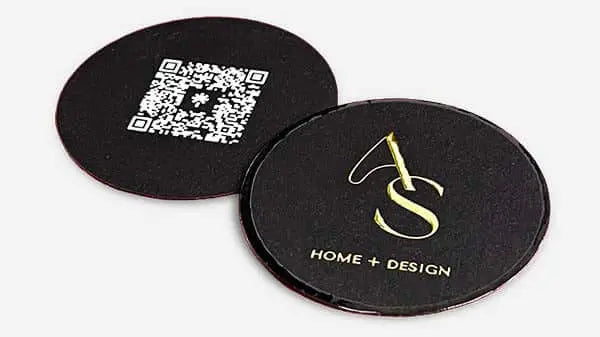


What Makes a Business Card Truly Unique
In the world of high-end branding, a single interaction can define how your brand is remembered. For luxury brand owners and executives across the United States, the choice of a business card is not just about sharing contact details—it is a declaration of identity and prestige. A unique business card becomes a sophisticated communication tool, capturing the essence of your brand with bespoke materials, custom layouts, and intentional design that commands attention and signals genuine exclusivity.
Table of Contents
- Defining Unique Business Cards For Brands
- Luxury Materials And Sophisticated Techniques
- Design Alignment: Beyond Visual Novelty
- Personalization Versus Template-Based Solutions
- Intentional Restraint And Quiet Confidence
Key Takeaways
| Point | Details |
|---|---|
| Unique Business Cards as Strategic Tools | Unique business cards should embody a brand’s identity through intentional design elements that reflect core values and culture. |
| Luxury Materials Indicate Quality | The use of premium materials and advanced printing techniques transforms business cards into sophisticated brand statements that communicate professionalism. |
| Design Alignment is Essential | Successful designs align with brand messaging through consistent visual language, ensuring clarity and professional representation. |
| Personalization Enhances Impact | Personalized business cards create memorable connections by telling unique brand stories that resonate with recipients. |
Defining Unique Business Cards for Brands
A unique business card transforms from a mere contact exchange mechanism into a strategic brand communication tool. Unlike generic templates, truly distinctive cards represent an organization’s visual and philosophical identity through deliberate design choices.
Unique business cards go beyond traditional print by capturing brand essence creatively. They strategically combine elements like:
- Distinctive typography
- Custom color palettes
- Innovative material selections
- Personalized layout designs
- Interactive graphical elements
The most compelling business cards do not simply display information—they tell a brand story. Each design decision communicates sophisticated insights about the organization’s values, personality, and professional approach.
Successful unique business cards require thoughtful alignment between visual design and brand messaging. This means understanding that uniqueness is not about being loud or extreme, but about being intentional. A card should feel inevitable—as though no other design could represent that particular brand.
Design Dimensions of Uniqueness:
- Reflects organizational culture
- Demonstrates design intelligence
- Creates memorable first impressions
- Signals professional attention to detail
Pro tip: Invest time in understanding your brand’s core visual language before designing your business card, ensuring every design choice feels authentic and purposeful.
Luxury Materials and Sophisticated Techniques
Luxury business cards transcend traditional printing by embodying a brand’s commitment to quality through advanced design techniques that elevate the entire communication experience. These are not just cards—they are tangible representations of professional excellence.
The most sophisticated business cards leverage materials and printing techniques that engage multiple sensory experiences:
- Thick cotton paper stock
- Metal composite layers
- Transparent acrylic substrates
- Textured specialty papers
- Precision laser-cutting techniques
Each material selection communicates a nuanced narrative about organizational sophistication. Metallic cards signal technological innovation, while handmade cotton papers suggest artisanal craftsmanship. The physical interaction becomes as meaningful as the visual presentation.
Sophisticated printing techniques transform these premium materials into true brand statements. Techniques like foil stamping, embossing, and ultraviolet spot coating add dimensional complexity that standard print methods cannot achieve. These approaches create depth, texture, and visual intrigue that make recipients pause and appreciate the deliberate design.
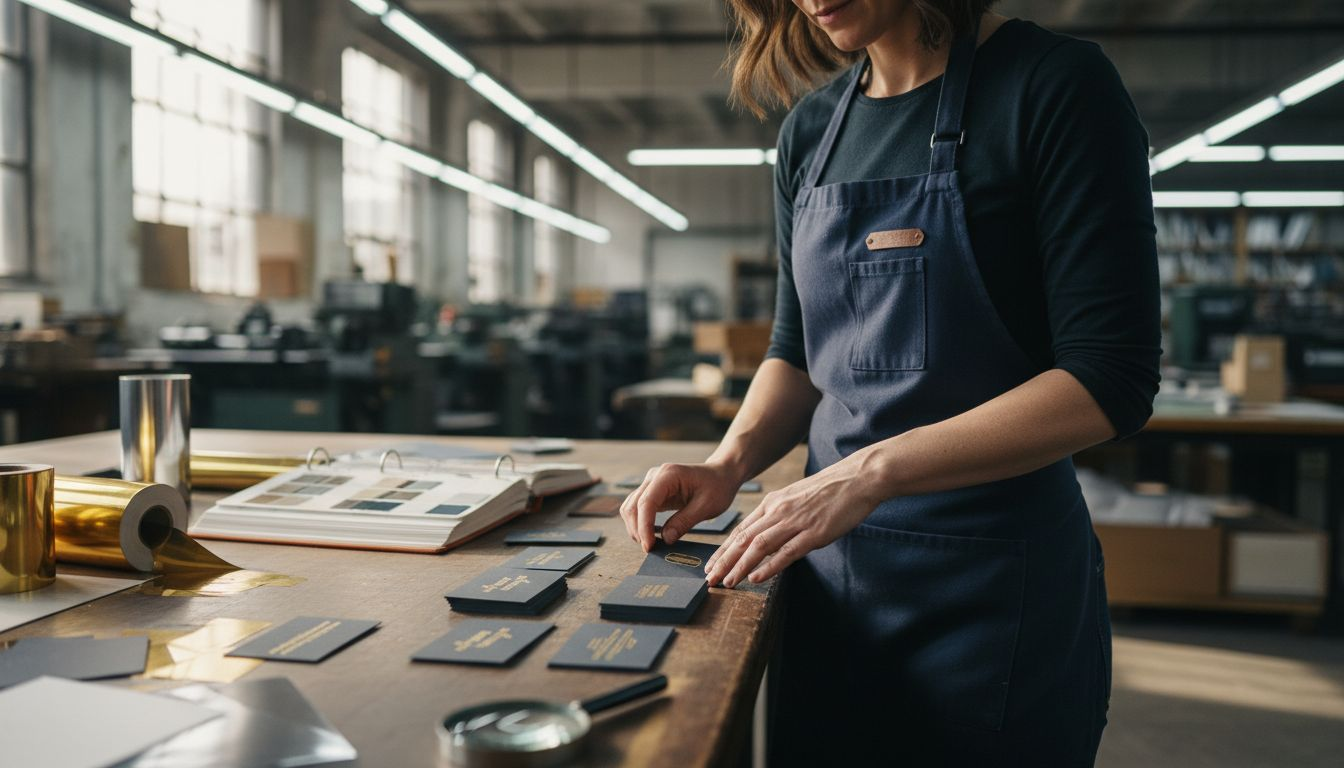
Consider these advanced material and technique choices for luxury business cards:
| Material/Technique | Sensory Impact | Conveys Brand Attribute |
|---|---|---|
| Metallic Layer | Cool, sleek touch | Technological innovation |
| Thick Cotton Paper | Soft, premium feel | Artisanal craftsmanship |
| Embossing | Raised texture | Attention to detail |
| Spot UV Coating | Glossy highlight | Modern sophistication |
Material Communication Strategies:
- Select materials matching brand personality
- Consider texture and weight
- Evaluate durability and longevity
- Ensure printing compatibility
Pro tip: Request physical material samples before final production to truly understand how different textures and weights communicate your brand’s unique essence.
Design Alignment: Beyond Visual Novelty
True business card design transcends mere aesthetic appeal, focusing instead on strategic visual communication that authentically represents an organization’s core identity. Design alignment is not about creating something impressive, but about crafting a visual language that speaks precisely and consistently.
Effective design alignment requires a holistic approach that integrates multiple brand elements:
- Consistent color psychology
- Typography that reflects brand personality
- Visual hierarchy matching organizational values
- Balanced negative and positive space
- Subtle design elements that communicate professionalism
Brand storytelling through design becomes most powerful when seemingly small details communicate deeper narratives. A minimalist law firm might use crisp, structured typography and stark white space, while a creative agency could incorporate more dynamic, fluid design elements that suggest innovation and flexibility.
The most sophisticated business cards achieve alignment by understanding that design is not decoration, but a strategic communication tool. Every visual choice—from paper texture to color gradient—should feel intentional and connected to the broader brand ecosystem. This approach transforms a business card from a simple contact mechanism into a nuanced representation of organizational culture and professional identity.
Design Alignment Principles:
- Reflect brand essence
- Maintain visual consistency
- Prioritize clarity
- Communicate without words
Pro tip: Conduct a comprehensive brand audit before designing your business card to ensure every design element authentically represents your organization’s core values and visual language.
Personalization Versus Template-Based Solutions
The landscape of business card design reveals a critical tension between convenience and authenticity, where personalization strategies fundamentally transform how professionals communicate their brand identity. Template-based solutions offer quick, standardized outputs, but they ultimately sacrifice the nuanced storytelling that custom designs provide.
Personalization strategies encompass multiple sophisticated approaches:
- Individual narrative integration
- Contextual design elements
- Tailored color psychology
- Precision-crafted typography
- Strategic visual metaphors
Custom design moves beyond superficial aesthetics, transforming business cards into sophisticated communication instruments. Where template solutions present generic information, personalized cards articulate complex professional identities through intentional design choices.
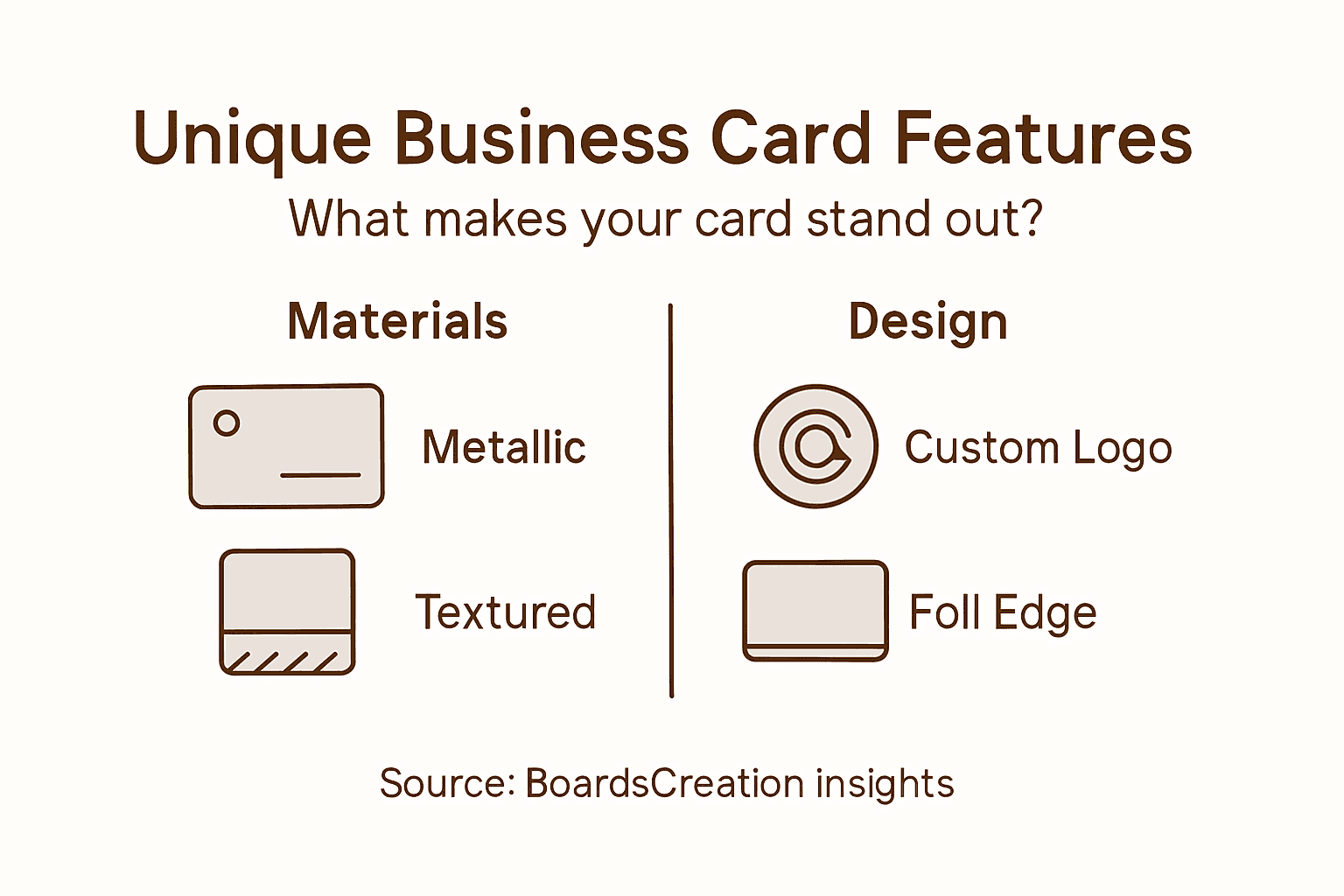
Here’s how personalization compares to template-based business card solutions:
| Aspect | Personalized Cards | Template-Based Cards |
|---|---|---|
| Brand Storytelling | Captures unique narrative | Limited to generic details |
| Design Flexibility | Fully custom elements | Restricted by preset designs |
| Professional Impact | Conveys expertise and care | Impersonal impression |
| Long-term Value | Strengthens brand memory | Quickly forgotten by recipients |
Modern personalization leverages advanced technologies while maintaining ethical boundaries. Artificial intelligence and data-driven design enable unprecedented levels of customization, allowing professionals to create cards that are simultaneously unique and strategically aligned with their brand positioning. The goal is not simply visual differentiation, but creating a tangible representation of professional essence.
Personalization Evaluation Criteria:
- Reflects individual brand DNA
- Communicates professional narrative
- Demonstrates design intentionality
- Transcends template limitations
Pro tip: Invest time understanding your professional narrative before designing your business card, ensuring every visual element authentically represents your unique professional identity.
Intentional Restraint and Quiet Confidence
Professional design speaks most powerfully through strategic minimalism, where every visual element serves a deliberate purpose. Intentional restraint transforms business cards from mere information carriers into sophisticated communication instruments that communicate authority through purposeful simplicity.
Restraint manifests through strategic design choices:
- Deliberate white space utilization
- Carefully selected typography
- Minimal color palette
- Essential information hierarchy
- Precision in graphic elements
Quiet confidence emerges when design transcends visual noise. Professional cards that embrace restraint communicate more effectively by eliminating unnecessary embellishments, allowing the core brand message to resonate without distraction. This approach signals a mature understanding that true sophistication lies not in complexity, but in thoughtful simplification.
The most compelling business cards leverage negative space and selective design elements to create a sense of elegance and intentionality. Each design choice becomes a strategic statement—a carefully curated visual narrative that speaks volumes through its deliberate understatement. By rejecting visual clutter, these cards transform from generic contact tools into nuanced representations of professional identity.
Restraint Design Principles:
- Prioritize clarity
- Eliminate unnecessary elements
- Focus on essential communication
- Create visual breathing room
Pro tip: Treat your business card design like a refined conversation—speak with intention, leave space for interpretation, and let substance shine through simplicity.
Elevate Your Brand with Truly Unique Business Cards
The challenge many professionals face is turning their business card into a genuine representation of their brand’s story instead of a generic contact tool. This article highlights the importance of intentional design choices, sophisticated materials, and personalized strategies that communicate quiet confidence and authentic identity. If you want your card to reflect your core values with elegance and purpose, addressing the pain points of uninspired templates and missed branding opportunities is essential.
Discover how Textured Paper Business Cards – BcardsCreation can add tactile sophistication while reinforcing your brand’s personality. For those seeking innovative shapes that make a memorable first impression, our Custom Shaped Business Cards – BcardsCreation provide the perfect solution. Our team at BcardsCreation combines expert design guidance with premium materials and refined finishing techniques to create fully custom cards that go beyond visual novelty.
Make your business card a strategic branding asset today by exploring our personalized services. Visit BcardsCreation to start crafting a card that speaks volumes about your professional identity. Act now to transform your first impression into a lasting memory.
Frequently Asked Questions
What are the key elements that make a business card unique?
Unique business cards creatively capture a brand’s essence through distinctive typography, custom color palettes, innovative material selections, personalized layouts, and interactive graphical elements.
How do luxury materials enhance the appeal of business cards?
Luxury materials like thick cotton paper, metal composites, and transparent acrylic substrates add sophistication and convey a brand’s commitment to quality, making the business card a tangible representation of professional excellence.
Why is design alignment important when creating a business card?
Design alignment ensures that all visual elements, such as color, typography, and space, communicate consistently and authentically represent the organization’s identity, transforming the card into a strategic communication tool.
How does personalization improve the effectiveness of a business card?
Personalized business cards capture unique narratives and tailor design elements, making a stronger impression compared to template-based solutions. This enables professionals to effectively convey their expertise and brand identity.
Recommended
- Top 8 Unique Business Card Solutions for 2026 – BcardsCreation
- Diamond Business Cards | Frosted Plastic | Custom shape card – BcardsCreation
- Fine Paper Double layered Business Card with Neon and Purple Foils, Th – BcardsCreation
- Letterpress Business Card with full color print and real foil Rose Gol – BcardsCreation
- A+Majice - Tisk na oblačila, za vaše društvo, podjetje, dogodek, brand, fantovščino…


