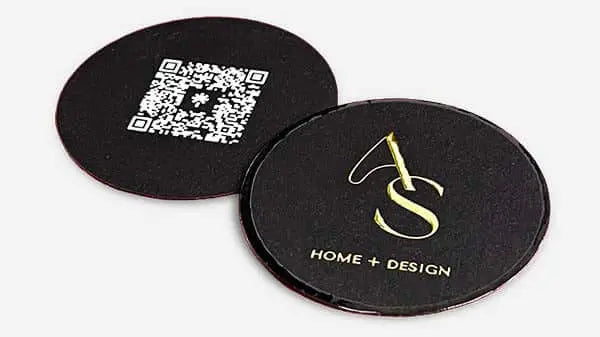


Why Choose Plastic Business Cards for Branding
In an industry where first impressions can set an american luxury beauty brand apart, every detail matters. Studies reveal that over 80 percent of professionals judge a business’s credibility by its business card quality. For American beauty entrepreneurs aiming to appear memorable, choosing custom plastic business cards signals sophistication and attention to detail. This overview reveals how these premium cards provide lasting durability, unique design possibilities, and a refined tactile experience that resonates with discerning, style-focused clients.
Table of Contents
- Defining Plastic Business Cards for Brands
- Visual Impact and Modern Professionalism
- Material Types: Clear, Frosted, Colored
- Practical Features and Real-World Limits
- Adapting Design for Transparency and Finish
Key Takeaways
| Point | Details |
|---|---|
| Unique Branding Tool | Plastic business cards provide a sophisticated alternative to paper, featuring durability and a premium tactile experience. |
| Visual Impact | The interaction of light and material in card designs enhances brand communication, making thoughtful design choices essential. |
| Material Types | Clear, frosted, and colored plastics each convey different brand messages and should be selected based on the desired impression. |
| Practical Considerations | While offering durability, brands must consider environmental impacts and production costs when choosing plastic cards. |
Defining Plastic Business Cards for Brands
Plastic business cards represent a sophisticated branding tool that transcends traditional paper alternatives. These cards are crafted from durable materials like PVC, offering brands a unique canvas to showcase their professional identity through innovative design techniques. Unlike conventional paper cards, plastic cards deliver a premium tactile experience that communicates sophistication and attention to detail.
The fundamental characteristics of plastic business cards include their exceptional durability and visual versatility. Brands can leverage these cards to create striking visual impressions through transparent, frosted, or colored plastic materials. Plastic composition allows for intricate design possibilities that paper simply cannot match - from custom die-cut shapes to embedded holographic elements that capture potential clients’ attention.
These cards serve more than an aesthetic purpose. Plastic cards offer remarkable resistance to environmental factors like water, heat, and physical wear. This durability means business cards remain pristine during networking events, survive accidental washing machine cycles, and maintain their professional appearance far longer than traditional paper alternatives.
Pro tip: When designing plastic business cards, consider how light and transparency will interact with your brand’s visual elements to create maximum visual impact.
Visual Impact and Modern Professionalism
Modern brands recognize that business cards are more than mere contact information - they are strategic visual ambassadors. Professional design techniques transform plastic cards into powerful branding instruments that communicate sophistication and intentionality. The material itself becomes a statement, with transparent, frosted, and colored plastics offering nuanced ways to express corporate identity.
The visual language of plastic business cards extends far beyond traditional print mediums. Transparency and texture become critical design elements, allowing brands to create multi-dimensional impressions. Holographic finishes, intricate die-cut shapes, and innovative light-interaction properties enable designers to craft cards that literally shine and stand out during critical networking moments.
Unlike paper alternatives, plastic cards provide brands with unprecedented design flexibility. Innovative material choices signal a commitment to quality and forward-thinking approach. The durability of plastic means these cards maintain their pristine appearance, ensuring that a brand’s first physical touchpoint remains impeccable through multiple interactions, professional exchanges, and environmental challenges.
Pro tip: Select plastic card finishes that complement your brand’s color palette and visual identity to create a cohesive and memorable first impression.
Material Types: Clear, Frosted, Colored
Plastic business cards come in three primary visual compositions, each offering unique branding possibilities. Material-specific design strategies reveal how clear, frosted, and colored plastics transform a simple contact medium into a sophisticated brand communication tool.
Clear Plastic Cards provide ultimate transparency, creating an impression of openness and modern minimalism. These cards allow complex background designs to shine through, with text and logos appearing to float within the material. The sleek, glass-like finish communicates precision and technological sophistication, making them ideal for industries emphasizing innovation and clean design.
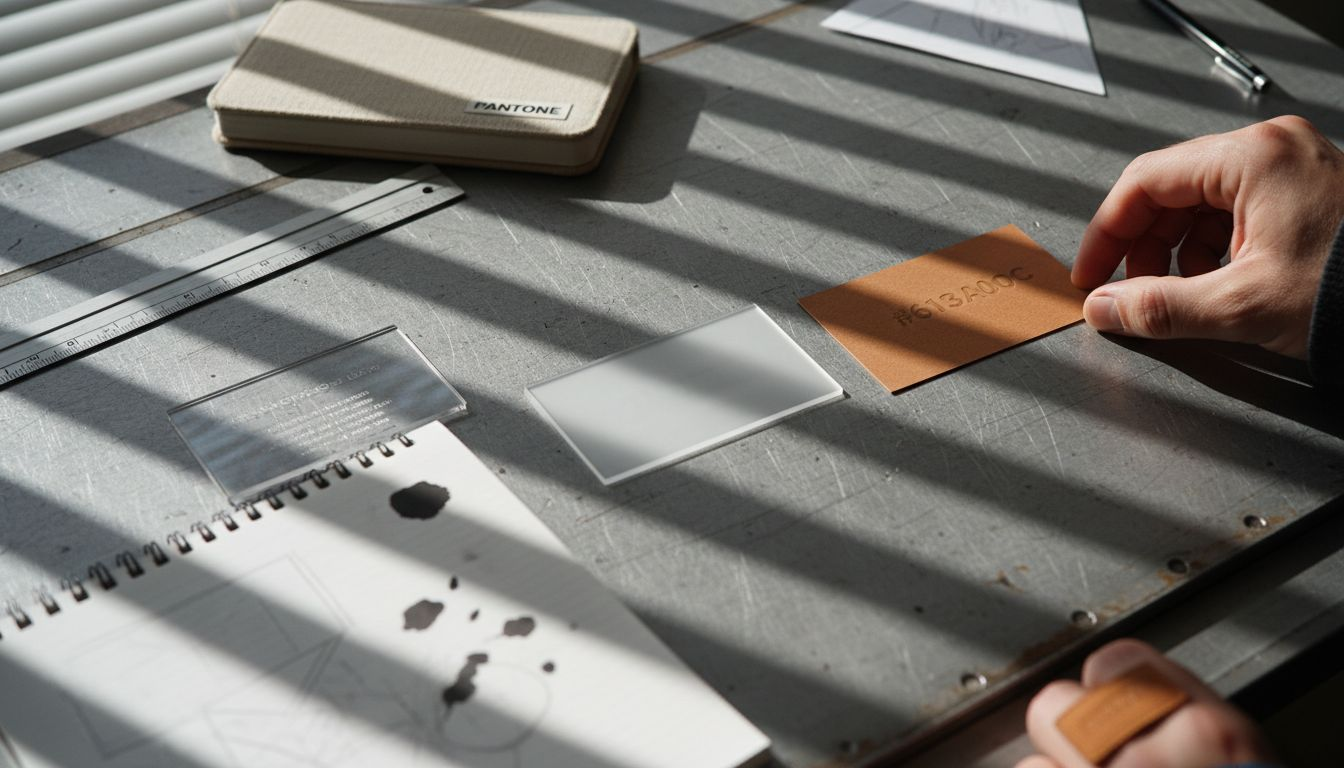
Frosted Plastic Cards offer a sophisticated middle ground between opacity and transparency. Structural plastic properties enable a soft, ethereal effect that diffuses light and creates a sense of depth. The muted, elegant finish suggests refinement and thoughtful design, perfect for brands wanting to convey subtlety and intellectual approach. Frosted cards catch light differently, creating a dynamic visual experience that shifts with viewing angle.
Colored Plastic Cards represent the boldest branding statement. These cards transform business cards into direct visual extensions of a brand’s color palette, allowing precise color matching and vibrant expression. From translucent jewel tones to solid corporate hues, colored plastics provide unparalleled opportunities for visual brand storytelling.
Pro tip: Select your plastic card material type based on how light interacts with your specific design, ensuring maximum visual impact and brand representation.
Here’s a quick comparison of plastic business card material types and their branding strengths:
| Material Type | Visual Character | Ideal Brand Impression |
|---|---|---|
| Clear Plastic | Fully transparent, glass-like finish | Modern, technologically advanced |
| Frosted Plastic | Soft, diffused, semi-opaque | Subtle, refined, intellectual |
| Colored Plastic | Vibrant hues, solid or translucent | Bold, expressive, energetic |
Practical Features and Real-World Limits
Plastic business cards represent a sophisticated branding tool with nuanced practical considerations. Plastic product characteristics reveal a complex landscape of advantages and limitations that brands must carefully evaluate when selecting their professional communication medium.
Durability and Resilience emerge as primary strengths of plastic business cards. These cards withstand environmental challenges that would destroy traditional paper alternatives - resisting water damage, maintaining structural integrity through repeated handling, and preserving print quality across diverse temperatures and conditions. However, durability does not equate to indestructibility. Plastic cards can still scratch, bend, or show fingerprints, requiring careful handling and storage.
Environmental Considerations present a critical dimension of plastic card selection. Sustainability challenges in plastic production mean brands must balance aesthetic and functional benefits against ecological impact. While plastic cards offer exceptional longevity and professional presentation, they generate more environmental waste compared to paper alternatives. Responsible brands increasingly seek recyclable or biodegradable plastic variants that minimize carbon footprint without compromising design quality.
Practical limitations include higher production costs, potential printing complexity, and material-specific design constraints. Some intricate design elements work beautifully on paper but translate poorly to plastic’s unique surface properties. Brands must work closely with specialized designers who understand plastic’s visual and tactile nuances to create truly exceptional business cards.
Pro tip: Request material samples before final production to test how your specific design interacts with different plastic finishes and transparencies.
Review these practical considerations when choosing plastic business cards:
| Factor | Business Impact | Design Strategy Tip |
|---|---|---|
| Durability | Cards last longer and resist damage | Store in protective cases for longevity |
| Environmental Impact | Higher ecological footprint | Explore recyclable or eco-plastic options |
| Cost | Higher initial investment required | Order in bulk to manage expenses |
| Printing Complexity | May limit certain design features | Test samples for print compatibility |
Adapting Design for Transparency and Finish
Designing for plastic business cards requires a sophisticated understanding of material interactions and visual dynamics. Graphic design techniques transform transparent and translucent surfaces into powerful brand communication platforms, demanding precision and creative thinking.
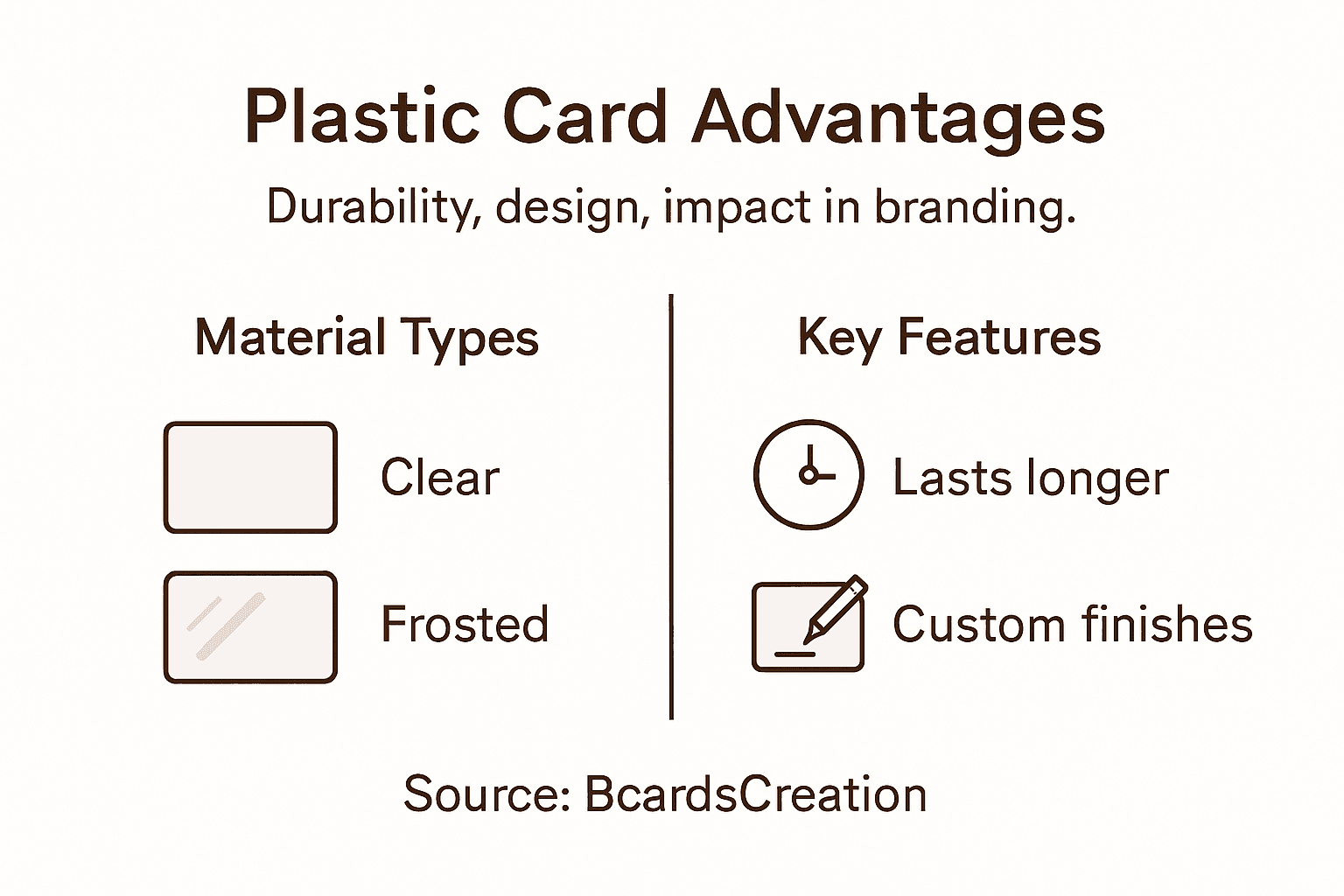
Light Interaction becomes the primary design consideration when working with transparent materials. Different plastic finishes - clear, frosted, or tinted - dramatically alter how graphics and text appear. Designers must anticipate how light will pass through or reflect off the card, creating layered visual experiences. A logo that looks crisp on paper might become ethereal or distorted when printed on transparent plastic, requiring deliberate color and placement strategies.
Sustainability Considerations play an increasingly crucial role in material selection and design adaptation. Circular economy design principles guide brands toward more environmentally conscious choices. This means selecting finishes that not only look exceptional but also support recyclability and minimize waste. Designers now balance aesthetic appeal with ecological responsibility, choosing materials and techniques that reduce environmental impact without compromising visual quality.
Technical challenges include managing color opacity, understanding how different plastic densities affect visual perception, and creating designs that maintain legibility across varying light conditions. Successful plastic business card design requires an experimental approach - testing multiple iterations, understanding material behavior, and being willing to adjust concepts to suit the unique properties of transparent mediums.
Pro tip: Create digital mockups that simulate different lighting conditions to preview how your design will look on various plastic finishes before final production.
Elevate Your Brand with Custom Plastic Business Cards
Choosing plastic business cards means embracing durability, unique material finishes, and sophisticated design that captures attention and reflects your brand’s professionalism. If you want to overcome the challenges of traditional cards losing impact or wear out quickly, and desire a strategic branding tool that stands out, our solutions at BcardsCreation provide just that. We specialize in personalized plastic business cards crafted with expert design guidance and premium materials to ensure your brand impression lasts.
Discover the possibilities with our selection of Plastic Business Cards including options like Clear Plastic Business Cards that perfectly showcase transparency and modern elegance.
Start making your first physical brand touchpoint unforgettable today. Visit BcardsCreation to explore custom options and turn your plastic business cards into powerful brand ambassadors designed uniquely for you.
Frequently Asked Questions
What are plastic business cards?
Plastic business cards are durable alternatives to traditional paper cards, made from materials like PVC. They offer a unique method for brands to express their professional identity through distinctive designs and finishes.
How do plastic business cards compare to paper cards in terms of durability?
Plastic business cards are significantly more durable than paper cards. They resist water, heat, and physical wear, maintaining their appearance over time, unlike paper alternatives that can easily tear or get damaged.
What design options are available for plastic business cards?
Plastic business cards offer a variety of design options, including clear, frosted, and colored finishes. Each type has distinct visual characteristics and can be customized with different shapes, textures, and printing techniques to enhance brand identity.
Can sustainability be considered when choosing plastic business cards?
Yes, sustainable options are available for plastic business cards. Brands can opt for recyclable or biodegradable plastics to minimize environmental impact while still achieving a premium look and feel.
Recommended
- Diamond Business Cards | Frosted Plastic | Custom shape card – BcardsCreation
- Acrylic Card Holder | Personalized Business Card Holder for Desk – BcardsCreation
- SHIMMER Business Card | Silver Gold Holographic Foil Stamped – BcardsCreation
- Fine Paper Double layered Business Card with Neon and Purple Foils, Th – BcardsCreation


