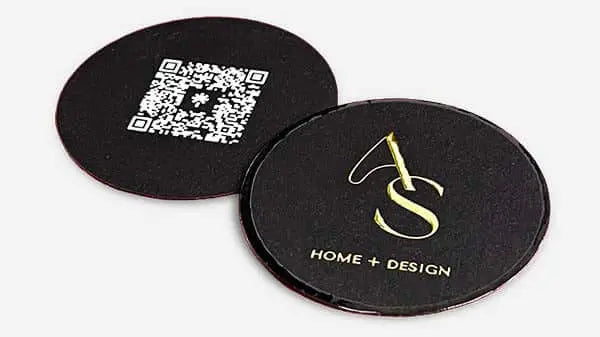


Why Invest in Premium Business Cards for Branding
Most American entrepreneurs underestimate the impact of business cards, yet studies show premium business cards are remembered by recipients up to 10 times longer than generic ones. In a market where every detail counts, luxury brand owners and creative professionals need more than just contact information—they need powerful tools for identity and first impressions. Discover what separates ordinary cards from true brand ambassadors and learn how your choices can drive real competitive advantage.
Table of Contents
- What Premium Business Cards Really Mean
- When Business Cards Drive Brand Value
- Design, Materials, and Perceived Impact
- Cost Versus Lifespan for Strategic Use
- The Risks of Cheap, Generic Cards
- Rational Decision-Making for Card Investment
Key Takeaways
| Point | Details |
|---|---|
| Premium Business Cards Enhance Branding | They are strategic tools that communicate professional identity and values through quality materials and thoughtful design. |
| Design Elements Signify Professionalism | Each aspect of a business card, from color to texture, communicates a narrative about the individual’s brand and professional competence. |
| Investment in Quality Provides Long-Term Value | Higher-quality cards lead to better retention and professional opportunities, making them a worthwhile investment over time. |
| Risks of Generic Cards Diminish Brand Value | Cheap alternatives can harm credibility and undermine professional relationships, reflecting poorly on one’s attention to detail. |
What Premium Business Cards Really Mean
Premium business cards represent far more than a simple printed contact information exchange. They are strategic brand artifacts carefully designed to communicate professional identity, values, and positioning through sophisticated material choices and design nuances. Sophisticated material selections fundamentally transform these small canvases from basic communication tools into powerful brand ambassadors.
At their core, premium business cards distinguish themselves through exceptional craftsmanship. Unlike mass-produced alternatives, these cards utilize specialized techniques like multilayered printing, embossed textures, metallic foils, and carefully selected paper stocks that communicate immediate visual and tactile sophistication. The physical experience of receiving a meticulously crafted business card creates a memorable first impression that digital interactions cannot replicate.
The real investment in premium business cards lies not in their production cost, but in their strategic brand signaling. Each design element - from paper weight to color palette, from finish to typography - communicates precise professional narratives. A lawyer might select heavyweight cotton stock with understated letterpress printing, while a creative professional could opt for unconventional materials that showcase innovative thinking.
Pro Tip: Strategic Design Selection: Invest time in selecting business card materials and design elements that authentically reflect your professional persona and brand positioning, treating the card as a miniature brand portfolio rather than a mere contact information carrier.
Key Characteristics of Premium Business Cards:
- Exceptional material quality
- Precision craftsmanship
- Intentional design language
- Tactile brand communication
- Strategic positioning tool
When Business Cards Drive Brand Value
Business cards transcend their traditional role as mere contact information carriers, emerging as powerful brand storytelling instruments that communicate organizational identity and professional positioning. Immersive brand experiences now recognize these small artifacts as strategic touchpoints that can dramatically influence perception and memorable first impressions.
In the competitive professional landscape, every design element of a business card becomes a deliberate communication strategy. Color palette, paper texture, typography, and finishing techniques collectively signal professional competence, creativity, and organizational values. A technology startup might choose sleek metallic finishes suggesting innovation, while a legal firm could opt for heavyweight cotton stock conveying tradition and reliability. Each micro-design choice becomes a nonverbal communication channel that speaks volumes about professional identity.
Brand Value Creation Mechanisms emerge through these carefully curated physical interactions. Interdisciplinary branding research demonstrates that tactile brand artifacts like business cards play a measurable role in long-term brand equity development. When professionals exchange cards, they are not just sharing contact information but creating tangible brand engagement moments that can influence future professional relationships and perceptions.
Pro Tip: Strategic Brand Alignment: Design your business card as a miniature brand manifesto, ensuring every visual and tactile element authentically represents your professional narrative and organizational values.
Key Brand Value Drivers in Business Cards:
- Nonverbal communication channel
- First physical brand interaction
- Professional identity signaling
- Memorable sensory experience
- Relationship establishment tool
Design, Materials, and Perceived Impact
Business card design has evolved from a simple information exchange to a sophisticated brand communication tool where every design element carries strategic significance. Emerging design trends in the US demonstrate how innovative approaches transform these compact canvases into powerful brand ambassadors, utilizing bold visual strategies and cutting-edge material selections to create memorable professional interactions.

The selection of materials plays a critical role in communicating brand personality and professional positioning. Advanced paper stocks and sustainable material choices now allow professionals to convey nuanced brand messages through texture, weight, and print quality. A tech startup might select translucent plastic with minimalist typography to signal innovation, while an artisanal craft brand could choose handmade cotton paper with letterpress printing to communicate authenticity and craftsmanship.
Perceived impact extends beyond visual aesthetics, diving deep into sensory psychology. The physical interaction with a meticulously designed business card triggers immediate subconscious evaluations about professional credibility, attention to detail, and organizational sophistication. Subtle design elements like embossing, metallic foils, and unconventional die-cuts transform these small artifacts from mere contact repositories into powerful brand storytelling instruments that resonate long after the initial exchange.
Pro Tip: Sensory Branding Strategy: Approach your business card design as a holistic sensory experience, considering not just visual design but the tactile and emotional response it will evoke in professional interactions.
Critical Design Impact Dimensions:
Below is a reference summary of card design features and their impact:
| Card Feature | Typical Material | Impact on Perception |
|---|---|---|
| Embossed Texture | Heavyweight stock | Signals sophistication and value |
| Metallic Foil | Premium paper | Suggests innovation and prestige |
| Minimalist Design | Plastic or thick cotton | Communicates modern professionalism |
| Unique Die-Cut | Custom finishes | Shows creativity and boldness |
- Tactile communication channel
- Visual brand representation
- Psychological positioning tool
- Sensory brand storytelling
- Professional credibility signaler
Cost Versus Lifespan for Strategic Use
Understanding the true value of business cards requires moving beyond simple price comparisons to a more nuanced evaluation of long-term brand impact. Business card statistical analysis reveals that premium cards generate significantly higher retention rates and perceived value, transforming what might initially seem like an additional expense into a strategic investment in professional branding.
The economics of business card design extend far beyond initial production costs. Comprehensive cost analysis demonstrates that higher-quality materials and sophisticated design techniques create lasting impressions that can generate professional opportunities well beyond their initial production expense. A $2 premium card that remains in a potential client’s portfolio for 18 months provides substantially more value than a 50-cent card quickly discarded or forgotten.
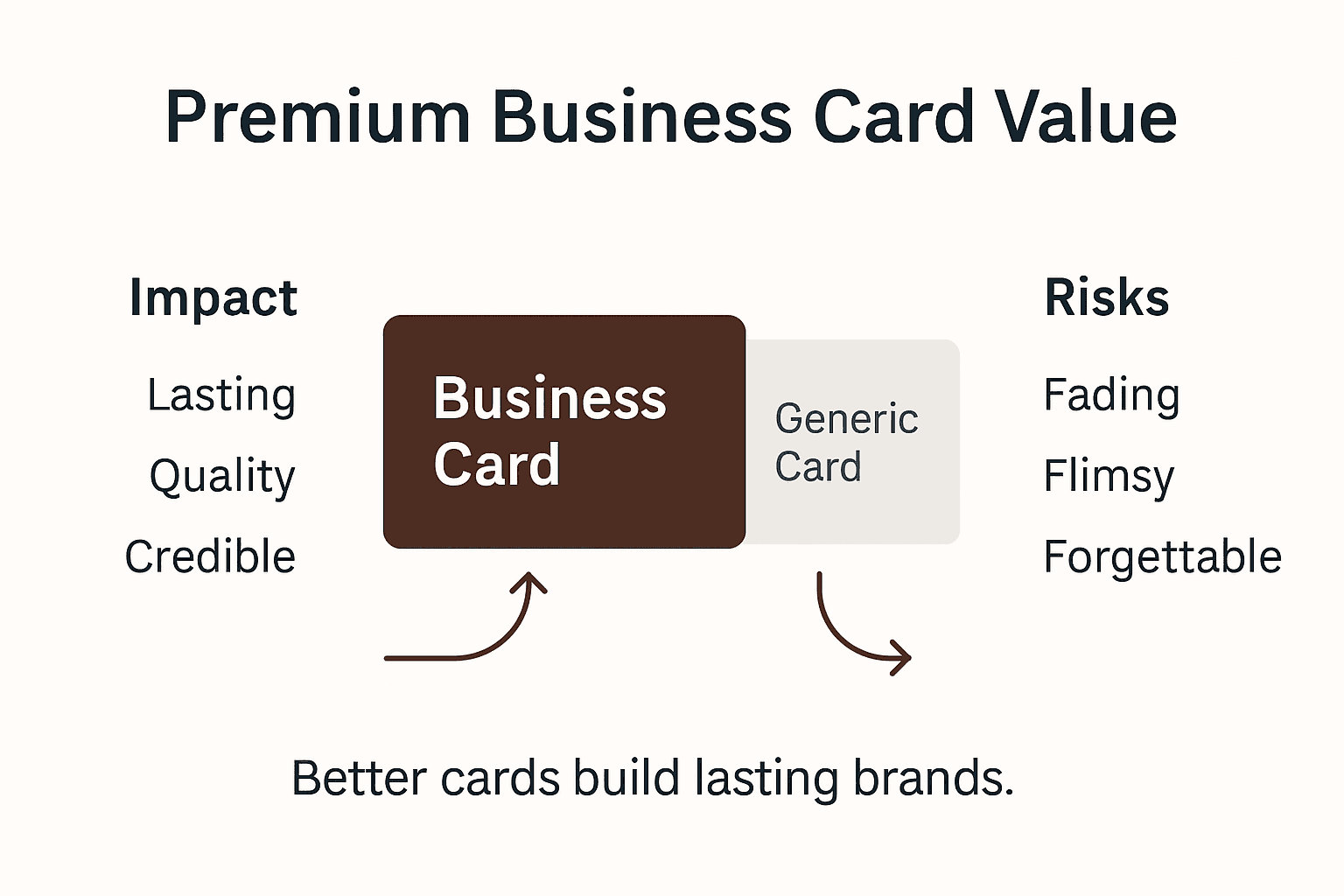
Strategic investment in business cards involves calculating potential returns through brand perception, networking effectiveness, and long-term professional relationships. Quality materials like heavyweight cotton stock, metallic foils, and innovative printing techniques signal professional commitment and attention to detail. These design choices communicate organizational values more powerfully than cost-cutting measures, potentially influencing critical first impressions during professional encounters.
Pro Tip: Strategic Cost Evaluation: Calculate your business card’s return on investment by tracking professional connections, meetings secured, and opportunities generated, rather than focusing solely on production expenses.
Business Card Investment Dimensions:
- Long-term brand perception
- Networking opportunity generation
- Professional credibility signaling
- Material durability
- Memorable first impression creation
The Risks of Cheap, Generic Cards
Business cards serve as critical first impressions, and cheap, generic alternatives can irreparably damage professional credibility. Common printing mistakes reveal that low-quality cards signal organizational negligence, suggesting a lack of professional commitment and attention to detail that can undermine potential business relationships before they even begin.
Generic cards represent more than a cost-saving measure—they are a missed opportunity for brand differentiation. Flimsy paper stock, pixelated printing, and templated designs communicate a fundamental lack of investment in professional presentation. A technology consultant handing out a mass-produced card with blurry text and inconsistent color reproduction immediately undermines their brand of precision and expertise, while a creative professional using a cookie-cutter design fails to demonstrate the innovative thinking they claim to possess.
The psychological impact of a poorly designed business card extends far beyond its physical limitations. Potential clients and professional contacts unconsciously evaluate your brand through these tactile interactions, interpreting card quality as a direct reflection of your work standards, attention to detail, and professional values. A card that appears cheap or hastily produced suggests similar characteristics about your professional approach—implying corners are cut, quality is compromised, and minimal effort is applied to critical interactions.
Pro Tip: Brand Integrity Assessment: Periodically review your business card as if you were a potential client, critically evaluating whether its design and quality genuinely represent your professional standards and brand positioning.
Critical Risks of Generic Business Cards:
Here’s a comparison of premium and generic business cards as strategic tools:
| Aspect | Premium Business Cards | Generic Business Cards |
|---|---|---|
| Brand Impression | Creates memorable impact | Often perceived as uninspired |
| Material Durability | Lasts months in portfolios | Likely discarded quickly |
| Networking Potential | Drives new connections | Missed opportunities likely |
| Perceived Professionalism | Signals commitment and detail | May suggest negligence or indifference |
- Diminished professional credibility
- Compromised first impressions
- Missed brand storytelling opportunities
- Reduced perceived value
- Potential client disengagement
Rational Decision-Making for Card Investment
Rational business card investment requires a strategic approach that transcends emotional impulses or surface-level aesthetic preferences. Structured decision-making frameworks provide executives with a methodical process for evaluating business card investments, transforming what might seem like a minor branding expense into a calculated strategic tool.
Methodical decision criteria suggest evaluating business cards through multiple strategic lenses: brand alignment, networking frequency, professional context, and long-term impression generation. A technology executive might prioritize sleek, minimalist designs that signal innovation, while a legal professional could emphasize traditional heavyweight stock that communicates gravitas and reliability. The rational approach demands quantifying intangible brand perceptions against concrete investment parameters.
Effective card investment analysis involves developing a nuanced scorecard that weights different factors beyond simple cost considerations. Critical evaluation dimensions include projected card lifespan, networking event frequency, target audience perception, and alignment with broader brand positioning. Professionals should calculate potential return on investment by tracking professional connections initiated, meetings secured, and opportunities generated directly or indirectly through strategic business card exchanges.
Pro Tip: Investment Scoring: Create a personalized business card investment rubric that objectively scores potential designs across brand alignment, material quality, professional context, and projected networking effectiveness.
Rational Investment Evaluation Dimensions:
- Brand narrative coherence
- Networking interaction potential
- Material durability
- Perceived professional value
- Strategic brand positioning
Elevate Your Brand with Premium Custom Business Cards
The article highlights the challenge of turning simple business cards into strategic brand ambassadors that communicate your professional identity and values with every detail. If you want to overcome the pitfalls of generic designs and cheap materials that diminish credibility, investing in exceptional craftsmanship and thoughtful design is the key. At BcardsCreation, we understand that your business card is more than contact info — it is a tactile communication channel and a miniature portfolio for your brand.
Our Textured Paper Business Cards and Letterpress Business Cards offer carefully selected premium materials and refined finishing techniques that turn your card into a powerful brand storytelling instrument. Every project is custom-tailored to ensure your card fully aligns with your professional narrative and creates memorable, high-value impressions.
Ready to transform your business cards from forgettable to unforgettable? Visit BcardsCreation today, explore our exclusive collections, and start your custom design journey. Invest in lasting brand value with a card that truly speaks for you.
Frequently Asked Questions
What are premium business cards?
Premium business cards are high-quality cards designed to convey a professional identity and brand values through sophisticated material choices and designs, including features like multilayered printing, embossing, and metallic foils.
How do premium business cards enhance brand perception?
Premium business cards serve as powerful brand storytelling tools that communicate an organization’s identity and professional positioning through intentional design elements such as color, texture, and typography, influencing how they are perceived by potential clients and partners.
What are the benefits of investing in premium business cards compared to generic cards?
Investing in premium business cards can create memorable impressions, establish professional credibility, and foster networking opportunities, while generic cards often appear uninspired and can damage a brand’s reputation.
How can I effectively choose design and materials for my premium business card?
Select design elements and materials that authentically reflect your professional persona and brand positioning. Consider factors like paper weight, color palette, finish, and texture to ensure your card is a true representation of your brand.
Recommended
- Raised Foil Business Cards | Thick Double-layered Art Paper – BcardsCreation
- Acrylic Card Holder | Personalized Business Card Holder for Desk – BcardsCreation
- Fine Paper Double layered Business Card with Real Gold / Silver Foils, – BcardsCreation
- Letterpress Business Card with full color print and real foil Rose Gol – BcardsCreation
- Grafikdesign - Flyer, Plakate, Tickets, Visitenkarten
- Τι είναι fashion branding: Κατανόηση και σημερινές τάσεις


