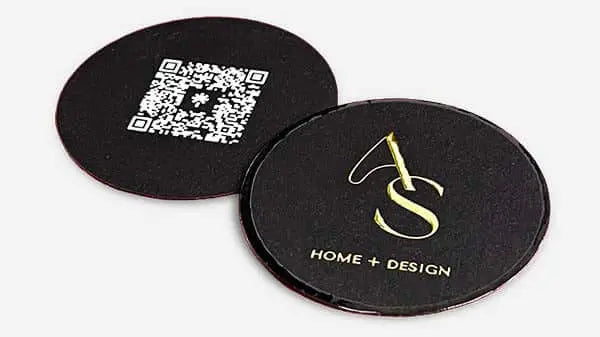


Premium Materials Explained: Paper, Plastic, Texture, Weight
A single business card can tell a story before a word is spoken. For American luxury brands, material quality becomes a silent metric of trust and expertise in every client interaction. Premium materials shape your brand’s credibility, sending signals of reliability and exclusivity with each touch. Discover how the right choices in weight, texture, and craftsmanship transform simple cards into lasting statements that align with your most discerning audience’s expectations.
Table of Contents
- Premium Materials And Their Brand Impact
- Paper And Plastic: Key Variations Explained
- Texture And Weight: Tactile And Visual Qualities
- Selecting The Right Combination For Your Brand
- Common Misconceptions About Premium Materials
Key Takeaways
| Point | Details |
|---|---|
| Material Choice Affects Perception | The materials you choose communicate your brand’s quality and positioning even before any interaction. |
| Consistency Reinforces Brand Identity | Uniform material selection across touchpoints strengthens brand recognition and value. |
| Tactile Elements Enhance Memory | Texture and weight create lasting impressions that align with your brand narrative. |
| Environmental Impact Depends on Use | The longevity and usage of cards significantly impact sustainability, regardless of material type. |
Premium Materials and Their Brand Impact
Material selection shapes how clients perceive your brand before they even speak with you. The weight of a card in someone’s hand, the texture under their fingers, the visual depth of a finish—these physical details communicate value, intentionality, and positioning without saying a word.
Consumers evaluate brands through tangible cues. Brand credibility through material choice directly influences whether potential clients trust your expertise and professionalism. Premium materials signal investment in quality, which translates into perceived reliability and competence.
How Materials Shape Brand Perception
Brand perception happens in seconds. The moment someone receives your card, their brain processes dozens of signals simultaneously:
- The weight tells them you’re serious about production quality
- The finish—glossy, matte, uncoated—communicates your brand personality
- The texture creates a tactile memory that lasts longer than visual design alone
- The material type (paper stock, plastic, specialty substrate) establishes your market positioning
Premium materials function as a silent endorsement of your brand’s standards and attention to detail.
A business card printed on standard 80 lb cardstock feels lightweight and forgettable. The same design on 120 lb cardstock or specialty paper immediately registers as more substantial and deliberate. Your recipient’s hand recognizes the difference instantly.
Material Choice and Brand Consistency
Consistency matters enormously in brand building. When material choices reinforce brand equity, they strengthen how people remember and recognize your brand across touchpoints. A luxury real estate agent should choose materials that feel aspirational. A tech startup founder might choose something unconventional. A financial advisor needs materials that communicate trustworthiness and stability.
Misaligned material choices weaken your positioning. A premium service provider handing out a thin, flimsy card sends mixed signals about their commitment to excellence. Conversely, a young creative agency using overly formal, heavy materials might feel misaligned with their innovation-focused brand personality.
Material and Market Positioning
Your material selection directly affects how prospects categorize your business:
- Uncoated, natural paper finishes suggest thoughtfulness and sustainability
- Smooth, glossy finishes communicate polish and professionalism
- Textured surfaces indicate craftsmanship and attention to tactile experience
- Specialty materials (metallic, transparent, thick stocks) position you as premium and distinctive
When your materials match your market position and brand promise, clients perceive you as authentic and deliberate. They’re more likely to remember you, recommend you, and invest in your services.
Pro tip: Choose materials that reflect your actual brand positioning, not what you wish it to be—alignment between material quality and delivered service builds long-term credibility and client trust.
Paper and Plastic: Key Variations Explained
Paper and plastic represent fundamentally different approaches to business card production. Each material behaves differently in hand, photographs differently on camera, and communicates different brand messages. Understanding their core characteristics helps you make decisions aligned with your brand identity and functional needs.
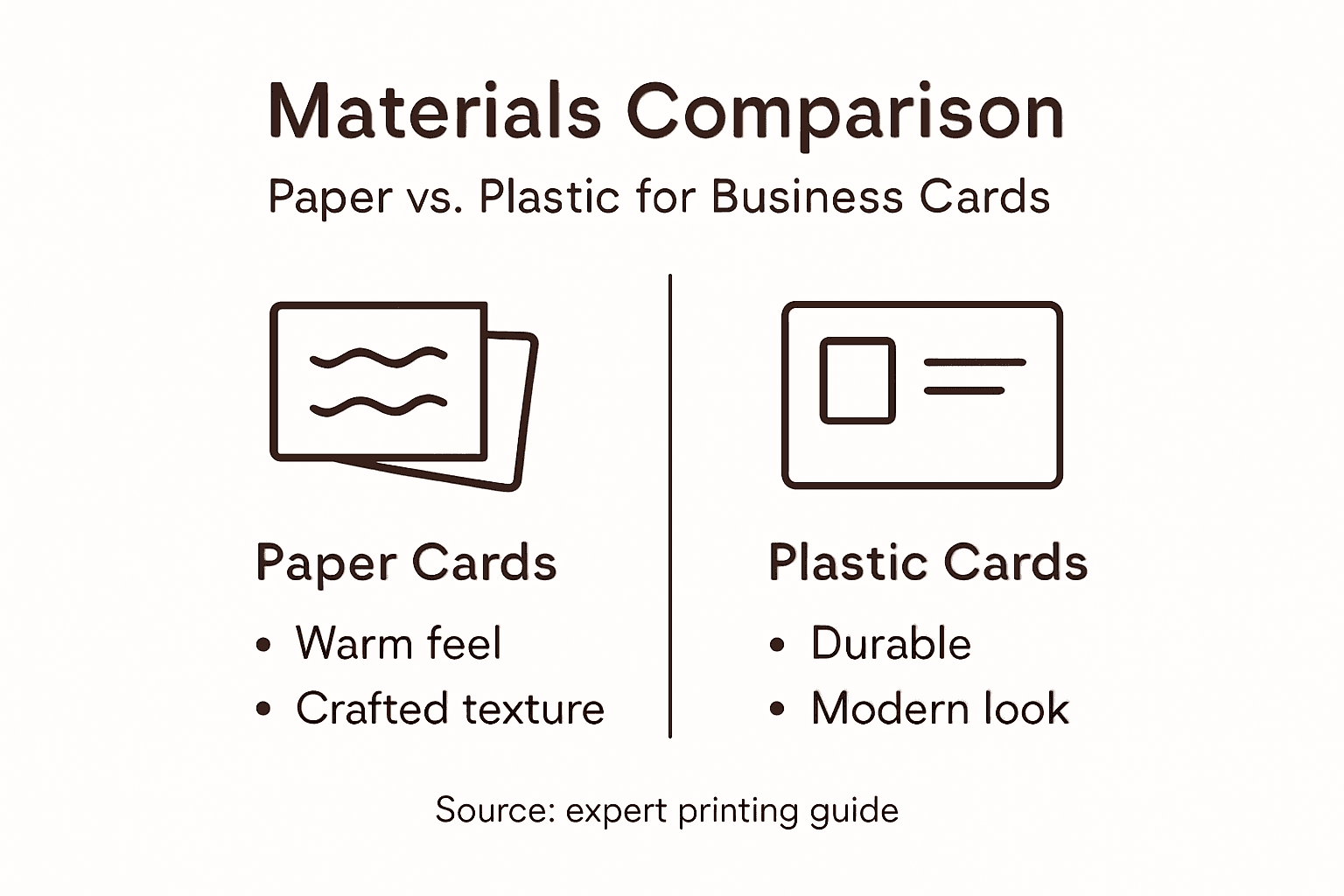
Paper remains the traditional choice. It offers warmth, natural texture, and a sense of permanence. Plastic delivers durability, distinctive visual effects, and a contemporary edge. Neither is objectively superior—the choice depends entirely on what your brand needs to convey.
Core Differences Between Paper and Plastic
These materials behave differently at every stage of the card’s life:
- Paper absorbs moisture and develops a patina over time; it feels organic and tactile
- Plastic resists moisture and maintains consistent appearance; it feels modern and engineered
- Paper accepts traditional printing techniques naturally; finishes enhance rather than dominate
- Plastic enables visual effects impossible on paper, like transparency, metallic overlays, and extreme durability
Paper and plastic serve entirely different purposes—choose based on the experience you want your recipient to have.
When someone receives a paper card, they experience craft and tradition. The card may wrinkle slightly in a pocket, developing character. A plastic card stays pristine, signaling that durability and precision matter more than organic warmth.
Here’s how paper and plastic business card materials compare in real-world business scenarios:
| Attribute | Paper Cards | Plastic Cards |
|---|---|---|
| Durability | Prone to wear, ages over time | Highly resistant to damage |
| Perceived Warmth | Feels classic and personal | Reads as modern and engineered |
| Print Compatibility | Ideal for traditional techniques | Enables special effects |
| Environmental Profile | Biodegradable, recycled easily | Long-lasting, less prone to waste |
| Brand Associations | Heritage, craftsmanship | Innovation, boldness |
Environmental and Functional Considerations
Material choice impacts both function and disposal. Paper biodegrades naturally and recycles readily, but requires more water and energy during production. Plastic resists degradation entirely, yet manufacturing it demands fewer resources upfront.
The practical reality: your recipient’s behavior determines environmental impact far more than material type. A card thrown away immediately becomes waste regardless of material. A card kept for years in a file because it’s durable and useful becomes an asset.
When to Choose Each Material
Paper works best for:
- Law firms, financial advisors, luxury service providers seeking trust signals
- Creative professionals wanting tactile warmth and design sophistication
- Anyone prioritizing a traditional, refined aesthetic
Plastic works best for:
- Tech companies, startups, modern brands establishing innovation positioning
- Industries requiring durability (hospitality, outdoor work, high-volume networking)
- Brands wanting visual distinctiveness and unforgettable presentation
Consider who receives your card and what happens to it. Will they keep it in a wallet daily? Store it in a desk drawer? Pass it along to others? The answer shapes your material choice.
Pro tip: Match material to lifestyle—if your clients keep cards accessible and safe, paper communicates luxury; if they survive pocket wear and water exposure, plastic’s durability becomes the practical choice.
Texture and Weight: Tactile and Visual Qualities
Texture and weight are the physical languages of a business card. Before someone reads a single word, their hand has already formed an impression. A card that feels substantial signals investment. A card with interesting texture creates a memory that outlasts the visual design.

These qualities work together. Weight gives you that satisfying heft in a pocket. Texture—smooth, linen, laid, embossed—creates visual interest and a sensory experience that speaks to craftsmanship. Together, they communicate luxury far more effectively than any tagline ever could.
Understanding Paper Weight
Paper weight measures thickness and density, typically expressed in pounds or grams per square meter. Paper density directly influences tactile impression and perceived quality. A 80 lb cardstock feels thin and flimsy. A 120 lb stock feels confident and deliberate. Move to specialty stocks exceeding 150 lb, and the card becomes an object—something substantial enough to treasure.
Weight creates instant perception shifts:
- 80-100 lb stock: Standard commercial weight; feels light and budget-conscious
- 110-130 lb stock: Premium feel; substantial without being excessive
- 140 lb and above: Luxury positioning; feels like a keepsake rather than a throwaway
Heavy cardstock literally weighs more in someone’s hand. That physical sensation registers as quality before cognition catches up.
Below is a summary of how paper weight and texture choices influence brand perception:
| Paper Weight Range | Surface Texture | Brand Message Conveyed |
|---|---|---|
| 80–100 lb | Smooth/Gloss | Affordable, mainstream |
| 110–130 lb | Linen or Uncoated | Refined, trustworthy |
| 140 lb and above | Embossed or Laid | Exclusive, luxury |
Texture as a Branding Tool
Texture transforms a flat surface into an experience. Texture affects both print quality and tactile perception, making it essential to premium positioning.
Common texture options include:
- Smooth/Gloss: Modern, polished, corporate precision
- Linen: Subtle grid pattern; refined, sophisticated, timeless
- Laid: Horizontal lines; traditional, classical, luxury
- Uncoated: Natural, organic feel; emphasizes sustainability and authenticity
- Embossed: Three-dimensional surface; creates shadow and depth
Texture invites touch. The moment someone holds your card, their fingers confirm what their eyes perceived.
An attorney hands out a smooth, heavy card—confidence and polish. A boutique designer uses laid texture on cream stock—heritage and craftsmanship. A tech founder chooses linen on white—modern sophistication.
The Combined Effect
Weight and texture work as a unified statement. Light weight undermines interesting texture; the card feels cheap despite its complexity. Heavy weight on a smooth finish can feel cold and corporate. The magic happens when both elements align with your brand narrative.
Consider tactile luxury finishes like embossing that elevate weight and texture together. These techniques transform a card from functional to memorable.
Pro tip: Select weight based on stock feel, then choose texture that reinforces your brand story—let both elements work toward the same positioning message.
Selecting the Right Combination for Your Brand
Choosing materials is not about picking the most expensive option or following trends. It’s about alignment—matching every physical detail of your card to the promise your brand makes. The right combination reinforces your positioning and builds trust with every hand that receives it.
Start by asking a single question: What experience do you want someone to have when they hold this card? That answer shapes everything that follows.
Step-by-Step Selection Process
Material decisions follow a logical sequence. Begin with positioning, then layer in practical considerations:
- Define your brand positioning – Are you luxury, modern, traditional, sustainable, innovative? This anchors every choice
- Choose paper or plastic – Does your audience keep cards long-term or use them functionally? Paper signals permanence; plastic signals durability
- Select weight – Does it align with your positioning? Lightweight contradicts luxury; excessive weight can feel corporate and cold
- Add texture – Does it enhance your brand story? Smooth for corporate precision, laid for heritage, uncoated for authenticity
- Finalize with finishes – Do specialty coatings or embossing strengthen your positioning further?
Matching Materials to Your Brand Story
Every material choice communicates. Balancing sustainability with brand perception requires matching materials to intended usage patterns. A luxury real estate agent’s card should feel expensive and aspirational—heavy paper, subtle texture, refined finish. A tech startup’s card should signal innovation and boldness—possibly plastic, contemporary feel, distinctive visual effect.
Consider functional context:
- High-touch industries (hospitality, fitness, wellness) – Durability matters; plastic or premium coated paper works well
- Professional services (law, finance, accounting) – Trust signals matter; heavy, refined paper communicates stability
- Creative fields (design, marketing, art) – Distinctiveness matters; unconventional materials and finishes set you apart
- Sustainability-focused brands – Uncoated paper, natural finishes, emphasis on recyclability align messaging with values
The best material combination is one your recipient keeps. Everything else is details.
Material Standards and Quality Assurance
Understanding material standards ensures optimal aesthetic and performance properties. Premium production relies on consistency. Heavy stock needs proper machinery. Specialty textures require careful registration. When you specify materials, you’re also specifying the production care required.
This is why custom production differs from mass manufacturing. Your materials aren’t chosen from a limited preset menu—they’re selected specifically for your brand and produced with attention to those specifications.
Testing Before Committing
Never choose materials based on images alone. Request physical samples. Hold them. Feel the weight. Run your thumb across the texture. See how the finish catches light. A matte finish on a screen looks different from the actual card in your hand.
Small-batch production allows testing without massive commitment. Produce 500 cards with your chosen materials, live with them for two weeks, then refine if needed before scaling up.
Pro tip: Start with positioning alignment first, then let practical usage patterns guide material selection—the intersection of brand promise and real-world durability creates combinations that work.
Common Misconceptions About Premium Materials
When it comes to material selection, assumptions often override facts. Business leaders make decisions based on what feels true rather than what actually is. These misconceptions can lead to poor material choices that undermine both brand positioning and sustainability goals.
Let’s untangle the most common myths.
Myth: Premium Always Means Heavy
Not all luxury is expressed through weight. A 140 lb cardstock feels substantial, but it doesn’t automatically communicate quality. Some of the most prestigious brands use relatively light papers paired with exceptional finishes, unique textures, or distinctive colors. The quality signal comes from the overall combination and alignment with brand positioning, not raw weight alone.
A lawyer’s card might use 110 lb smooth stock with a subtle watermark. A luxury fashion brand might choose 80 lb uncoated paper with a distinctive logo treatment. Both communicate premium positioning without excessive heft.
Myth: Paper Is Always More Sustainable Than Plastic
This misconception runs deep. Oversimplified assumptions about material sustainability ignore full life-cycle impacts. Paper production demands significant water and energy. Plastic manufacturing, by comparison, uses fewer resources upfront. The environmental difference emerges in disposal and reuse patterns, not inherently in material type.
A business card kept for years becomes an asset regardless of material. A card discarded immediately becomes waste. Usage behavior matters more than material choice:
- Paper cards recycled consistently have lower overall impact
- Plastic cards kept long-term may outperform paper thrown away immediately
- Neither material is automatically superior from an environmental standpoint
Sustainability isn’t about material optics—it’s about honest assessment of actual use and disposal.
Myth: Paper Packaging Creates Sustainability
Some brands layer unnecessary paper around plastic products to appear environmentally conscious. Adding excessive paper packaging to plastic products creates illusion without substance. The result: more total waste and a false sustainability signal.
For business cards, this translates to avoiding unnecessary packaging. A card in a simple kraft sleeve communicates restraint. A card in elaborate layered packaging—regardless of material—signals excess and contradicts sustainability claims.
Myth: Specialty Materials Cost Proportionally More
Specialty doesn’t always mean expensive. Uncoated paper often costs less than heavily coated stock. Transparent plastic can be affordable. What drives cost is volume and production complexity, not material rarity. Small-batch custom production optimizes for material choice over volume discount.
Myth: All Plastic Cards Feel Cheap
Plastic carries unfair stigma. Premium plastic cards—thick, well-finished, substantial—feel expensive and deliberate. Tech companies, luxury brands, and forward-thinking industries use plastic successfully. The perception depends on execution, not material category.
Pro tip: Evaluate material choices on functional alignment and brand positioning, not on assumptions about sustainability or perceived value—verify through actual samples rather than marketing narratives.
Elevate Your Brand with Premium Materials That Speak Volumes
Choosing the perfect material for your business cards is more than just a design decision it is a strategic move that shapes how your brand is perceived from the very first touch. Whether you want the organic warmth of paper, the durable innovation of plastic, or the memorable experience of textured finishes, BcardsCreation offers tailored solutions aligned with your unique positioning and client expectations.
Discover our Textured Paper Business Cards and Plastic Business Cards that combine exceptional weight and tactile luxury to build trust and leave lasting impressions. Every card is crafted with care to reflect your brand story authentically. Act now to secure a personalized consultation and transform your first impression into a powerful branding asset at BcardsCreation Premium Business Cards. Your perfect card is just a click away.
Frequently Asked Questions
What are the key differences between paper and plastic business cards?
Paper cards offer warmth and a natural tactile feel, while plastic cards are more durable and modern. Paper absorbs moisture and develops character over time, whereas plastic maintains a consistent appearance and is resistant to wear.
How does the weight of a business card affect its perception?
The weight of a business card significantly impacts how it is perceived. Heavier cards (like 120 lb stock) convey a sense of quality and investment, while lighter cards (like 80 lb stock) may feel budget-conscious and less memorable.
What role does texture play in brand perception?
Texture adds a tactile element that enhances the overall experience. Different textures (smooth, linen, embossed) communicate various brand qualities, such as sophistication, traditional craftsmanship, or modern innovation, making them integral to effective brand messaging.
How can I choose the right material for my business card?
To choose the right material, define your brand positioning first. Consider who your audience is and what impression you want to leave. Then, decide between paper and plastic based on durability and aesthetic qualities, select an appropriate weight, and finally, choose a texture that aligns with your brand’s story.
Recommended
- Top 8 Plastic Business Cards: Clear, Frosted, Shimmer — How to Choose – BcardsCreation
- Raised Print, Embossing, Debossing: Tactile Luxury Unveiled – BcardsCreation
- Fine Paper Double layered Business Card with Real Gold / Silver Foils, – BcardsCreation
- Letterpress Business Card with full color print and real foil Rose Gol – BcardsCreation
- Comment sont imprimées les cartes : secrets et impacts - JM Cards
- Tyvek vs Vinyl karszalag összehasonlítás | Előnyök, költség


