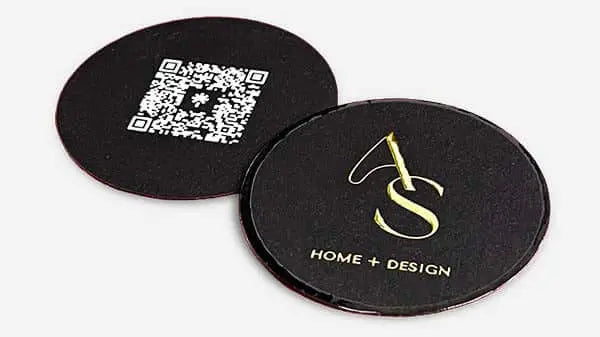


Luxury Business Card Workflow for Brand Impact
Selecting the right business card materials is more than a design decision for luxury beauty and fashion brand owners in the United States. Every detail, from texture to finish, becomes part of your brand’s introduction before a word is read. When you prioritize exclusive materials and refined finishes, your cards capture both premium quality and your unique brand essence. Learn how intentional choices at this stage create a lasting impression worthy of your brand’s image.
Table of Contents
- Step 2: Select Exclusive Materials and Finishes
- Step 3: Collaborate Closely with Design Experts
- Step 4: Evaluate Prototypes and Refine Details
- Step 5: Approve Final Production with Confidence
Quick Summary
| Key Insight | Explanation |
|---|---|
| 1. Choose materials carefully | Select materials that reflect your brand’s position and values, as they create the first impression. |
| 2. Collaborate with designers | Actively engage with design professionals to ensure the final product captures your brand essence. |
| 3. Assess prototypes thoroughly | Examine physical proofs in natural light to confirm materials and design meet your brand’s standards. |
| 4. Conduct a detailed final review | Systematically verify all aspects of your final proof to ensure accuracy and quality before production. |
| 5. Request production samples | Obtain a small batch of printed cards to catch any last-minute issues with the final product. |
…
Step 2: Select Exclusive Materials and Finishes
This step defines the tactile and visual foundation of your business cards. Material choice directly shapes how recipients perceive your brand—before they even read your name. You’re not picking from standard stock; you’re selecting materials that align with your brand’s positioning and values.

Start by considering what your brand communicates. A luxury beauty brand might emphasize softness through velvet finishes or smoothness through uncoated premium paper. A fashion label could demand visual drama with metallic accents or embossed textures. The material becomes part of your brand story.
Evaluating exclusive materials for luxury products means understanding how each option performs. Weight matters—a heavier card signals quality and care. Texture creates first impressions: rough surfaces feel artisanal, smooth surfaces feel refined. Finish options range from matte (sophisticated, understated) to glossy (bold, contemporary) to specialty coatings that catch light.
Consider these material categories:
- Premium papers: Uncoated, textured stocks that age beautifully and feel substantial
- Plastic substrates: Durable, weather-resistant options that stand apart visually
- Specialty finishes: Embossing, spot UV, foil stamping, or tactile coatings that elevate perception
- Composite options: Layered or mixed-material cards that demand attention
Your choices here work in concert with your brand essence. If your vision emphasizes timelessness, avoid trendy finishes. If it celebrates boldness, experiment with unexpected texture or color combinations.
The material you select becomes a conversation starter—it’s the first thing recipients touch, and it lasts long after the conversation ends.
Material selection also requires understanding longevity. Luxury cards should withstand being carried in a wallet or purse without degrading. They should feel the same after months as they do fresh from production. This durability reflects your brand’s commitment to quality.
Your designer and production partner should guide recommendations based on your vision and use case. A card intended for high-end hospitality events may need different properties than one for retail environments.
Pro tip: Request physical samples of your top three material and finish combinations before committing to full production. The screen rarely captures the tactile experience, and seeing samples helps confirm your vision aligns with reality.
Here’s how common business card material types compare for luxury branding impact:
| Material Type | Look & Feel | Durability | Ideal Brand Impression |
|---|---|---|---|
| Premium Paper | Subtle texture, matte | Moderate, ages well | Classic sophistication |
| Plastic Substrate | Sleek, contemporary | Very high | Innovative exclusivity |
| Specialty Finishes | Shiny, textured, eye-catching | Varies, often high | Artistic prestige |
| Composite Options | Layered, substantial | High | Bold attention to detail |
Step 3: Collaborate Closely with Design Experts
This step transforms your brand vision into a tangible, designed product. You’re not handing off your vision and waiting passively—you’re engaging in an active partnership where your input shapes every decision. The designer’s expertise combined with your strategic direction produces cards that genuinely represent your brand.
Start by communicating your brand essence clearly. Share your vision statement, target audience, and how you want recipients to feel when they hold your card. Describe the emotional response you’re aiming for. Are you positioning as approachable and warm, or exclusive and refined? The designer needs this context to make informed visual choices.
Structured communication and clear goals in collaborations lead to efficient workflows and superior outcomes. This means being specific about preferences without dictating design decisions. Instead of saying “make it elegant,” explain what elegance means to your brand—minimalist typography, luxe materials, white space, or something else entirely.
Bring reference materials to your collaboration:
- Competitive cards you admire (and why)
- Brand mood boards or visual inspiration
- Your brand guidelines or color palette
- Examples of how you currently present yourself
- Any technical requirements (QR codes, special information)
Expect multiple design iterations. Your first proof won’t be perfect, and that’s intentional. Each round refines the design based on feedback. This is where partnership matters—honest, constructive feedback pushes the design forward. Avoid vague criticism like “it doesn’t feel right.” Instead, explain specifically what’s missing or what’s working.
Ask your designer about production implications early. Some design choices require specific materials or finishes. A metallic accent needs a card substrate that accepts foil well. Embossed details need proper paper weight. Design and production must work together, not against each other.
The best luxury business cards emerge from collaboration, not compromise—where design expertise and brand clarity strengthen each other.
Timing matters in this partnership. Don’t rush feedback. Review proofs carefully, sleep on them, and return with thoughtful input. Quality takes pacing, not speed. Your designer needs time between rounds to implement changes properly and explore refinements.
Pro tip: Request a physical proof on your actual card stock and finish before final approval, not just digital mockups. The screen can’t convey how your design interacts with material texture, weight, and light.
Step 4: Evaluate Prototypes and Refine Details
This step separates luxury cards from ordinary ones. You’re holding a physical proof for the first time, and now you assess whether it matches your vision. This isn’t about approving a design—it’s about ensuring every detail reinforces your brand positioning.
Start by examining the prototype in natural light, not under studio lighting. How does the material feel in your hand? Does the weight communicate quality? Does the finish behave as expected? Metallic accents should catch light subtly, not aggressively. Embossed details should be tactile without feeling rough.
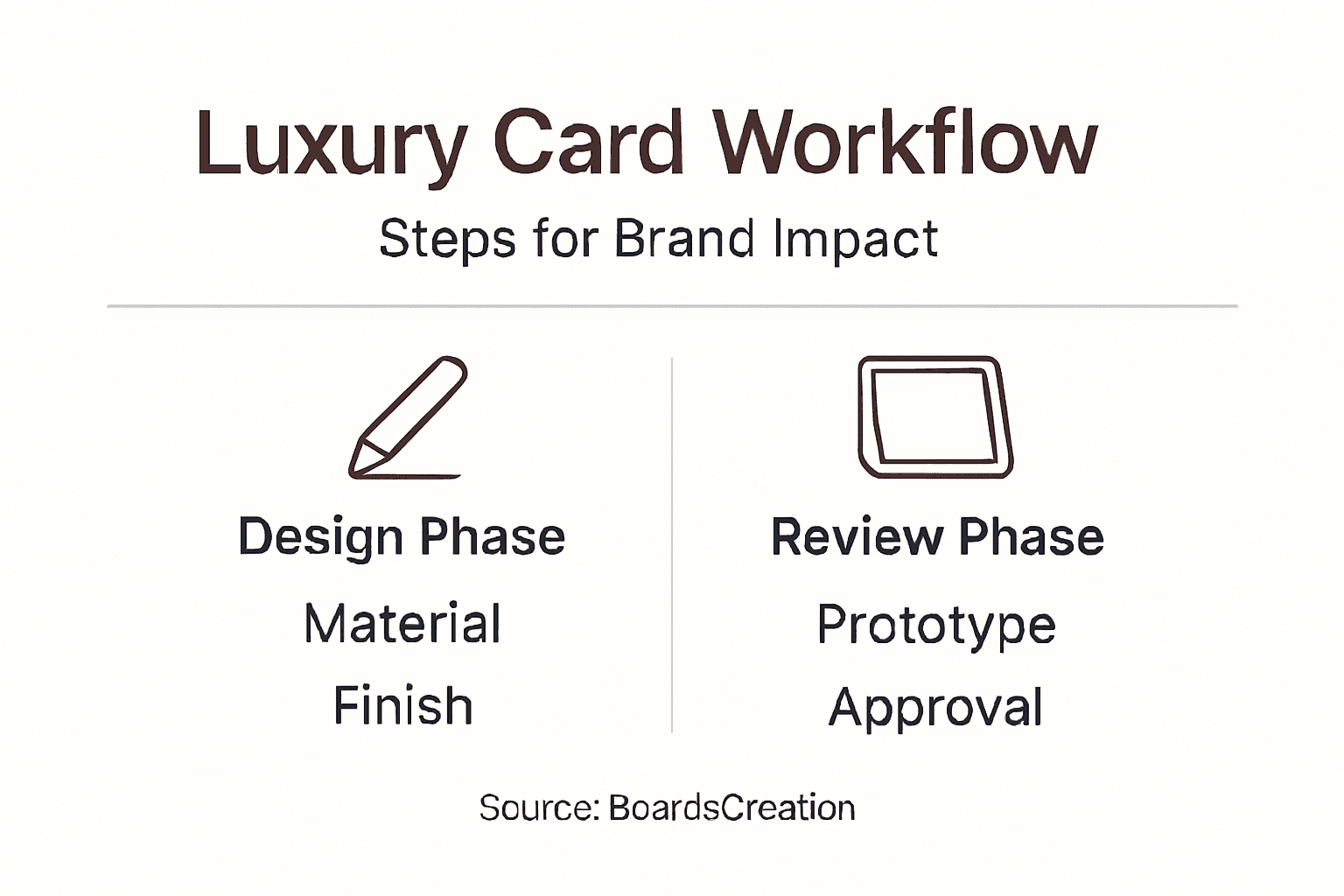
Prototype evaluation through iterative testing ensures alignment with brand requirements and aesthetic standards. Look at typography clarity—can recipients read your information easily? Are margins proportional and intentional? Does the layout create visual hierarchy that guides the eye naturally?
Assess these specific details:
- Color accuracy: Does the printed color match your brand palette?
- Contrast and legibility: Is text readable against background colors or finishes?
- Material interaction: How does the design interact with texture or finish?
- Dimensional alignment: Are elements positioned exactly where you envisioned them?
- Edge quality: Are die-cut edges clean and precise?
- Finish consistency: Is any specialty coating applied evenly?
Testing prototypes through user feedback minimizes costly errors before production. Show your prototype to trusted colleagues or brand ambassadors. Watch how they hold it, react to it, read it. Their instinctive responses reveal what’s working and what needs refinement.
Be specific about requested changes. Instead of “the color feels off,” specify which color and how it should shift. Instead of “tighten the layout,” indicate which elements should move and why. Your designer can’t refine vague impressions—they need concrete direction.
The prototype phase protects your investment. Time spent refining now prevents expensive reprints later.
Expect multiple rounds. First prototypes rarely hit all targets perfectly. This is normal and necessary. Each round gets closer to your vision. Don’t settle for “close enough”—luxury demands precision.
Pro tip: Carry your prototype in your wallet or bag for a few days and observe how it wears, how it feels when you hand it to someone, and whether the tactile experience matches your brand promise.
Below is a quick guide to evaluating luxury business card prototypes effectively:
| Evaluation Area | What to Examine | Typical Issues to Watch |
|---|---|---|
| Color Accuracy | Brand color match in light | Inconsistent hues |
| Texture & Weight | Tactile brand experience | Feels flimsy or rough |
| Edge Quality | Clean, precise cuts | Jagged or uneven edges |
| Finish Application | Evenness, light catch | Streaking, uneven shine |
Step 5: Approve Final Production with Confidence
You’ve refined the design through multiple rounds. Now comes the final gate before production begins. This approval step isn’t ceremonial—it’s your last opportunity to catch any issues before thousands of cards are printed. You’re confirming that every detail aligns with your vision and brand standards.
Review the final proof methodically. Quality control checks for format, completeness, and consistency ensure all details are accurate before full-scale printing. This means verifying every element one more time in sequence.
Create a checklist and work through it systematically:
- All text is spelled correctly, with no typos or formatting errors
- Phone numbers, email addresses, and website URLs are accurate and functional
- Colors match your approved brand palette across the entire card
- Images and graphics are sharp, with no pixelation or distortion
- Bleeds extend properly to card edges for borderless designs
- Specialty finishes like foil or embossing are positioned correctly
- Card dimensions match specifications (typically 3.5" × 2")
Examine the proof in multiple lighting conditions. Fluorescent office light, natural daylight, and dim ambient light all reveal different aspects of your design. Does text remain legible? Do specialty finishes perform as intended? This real-world assessment matters more than perfect studio conditions.
Approving final production involves verifying aesthetic and functional elements to guarantee the product reflects your intended brand impact. Look at the card from a recipient’s perspective. When someone picks it up, what’s their immediate impression? Does the tactile experience match the visual promise?
If you identify issues, communicate them clearly and specifically. Don’t approve if something bothers you—even small details compound across thousands of cards. Your production partner expects detailed feedback at this stage.
Final approval isn’t about perfection that only you’ll notice. It’s about confidence that your brand is represented exactly as you intended.
Once you approve, production begins. There’s no turning back without significant expense. Take the time this step deserves. Sleep on the proof if you’re uncertain. Your cards will carry your brand impression for months or years—they deserve this final review.
Pro tip: Request a small production sample (25-50 cards) printed on your actual materials before full production approves. This final verification catches any surprises in how digital design translates to physical product.
Elevate Your Brand With Luxury Business Cards That Speak Volumes
The challenge of creating business cards that truly reflect your brand’s essence and lasting impact is real. Crafting exclusive materials, collaborating on refined design details, and ensuring flawless production take vision and expert support. If you want your cards to be more than just paper but a strategic branding statement, trust a partner who understands every step of the luxury business card workflow.
Experience the difference with BcardsCreation Business Cards.
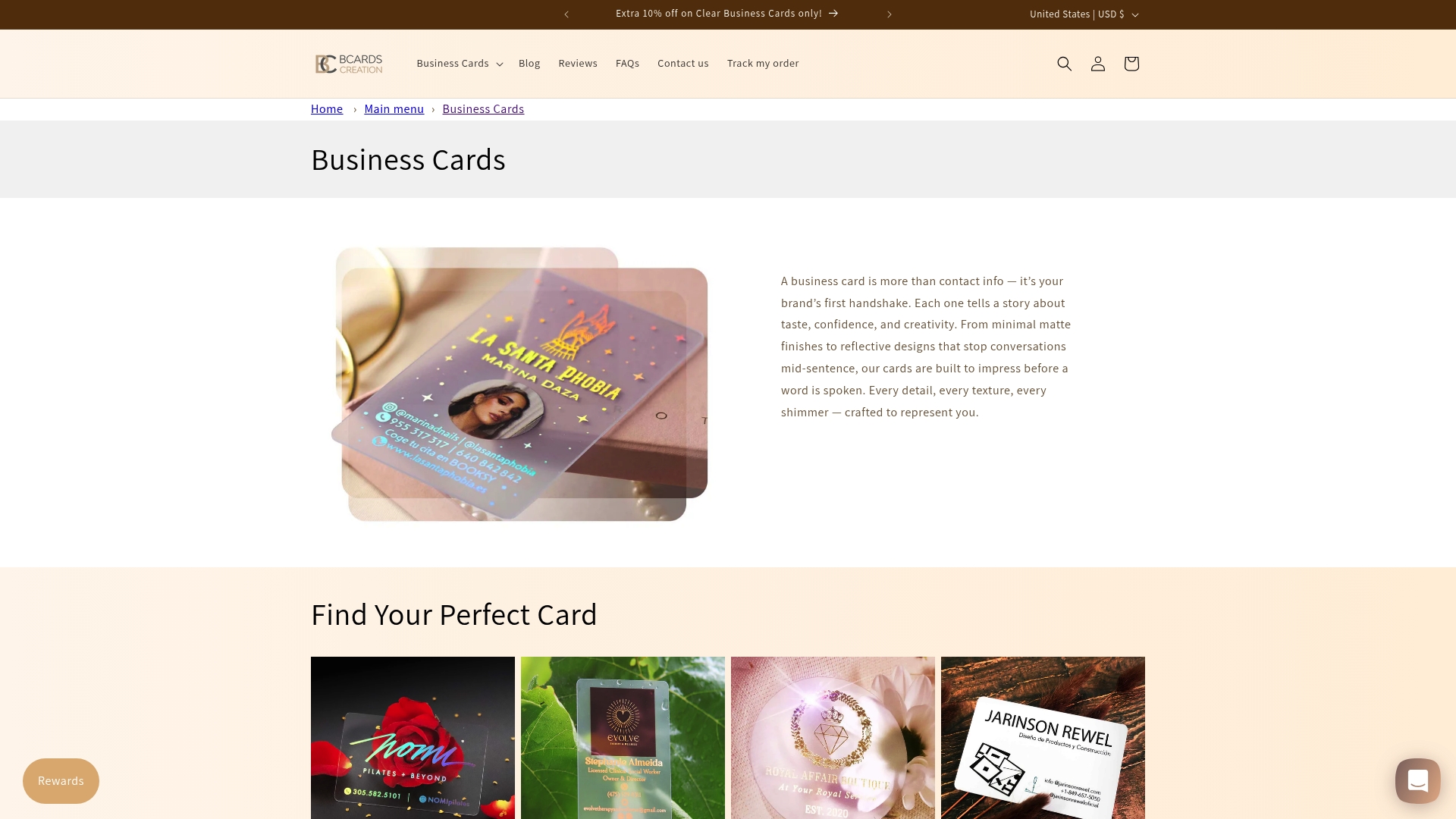
Explore premium options including Textured Paper Business Cards and Shimmer Business Cards that combine tactile elegance with cutting-edge finishes. Every project at BcardsCreation is fully custom and handled with meticulous craftsmanship to ensure your final piece aligns perfectly with your brand vision. Don’t wait to transform your first impression into a lasting connection. Visit https://bcardscreation.com/collections/business-cards now to start your personalized luxury business card journey.
Frequently Asked Questions
What materials should I consider for luxury business cards?
Selecting the right materials is crucial for luxury business cards. Consider options like premium papers, plastic substrates, specialty finishes, and composite materials that align with your brand’s image. Aim to choose materials that convey quality and durability, which can set your business apart.
How can I effectively collaborate with design experts for my business cards?
To collaborate effectively with design experts, clearly articulate your brand’s essence and desired emotional impact. Provide reference materials and maintain open communication to ensure that your vision is reflected in the final design. Schedule multiple design iterations to refine the specifics until they align perfectly with your expectations.
What should I look for in the prototype of my business cards?
When evaluating a prototype of your business cards, focus on color accuracy, texture, typography clarity, and overall layout. Ensure that every element meets your brand standards and resonates with the intended audience. Take your time to thoroughly inspect it in various lighting conditions before approving.
How do I ensure the final production of my business cards is accurate?
To ensure accurate final production, meticulously review every detail of the final proof, including text accuracy, color matching, and finish application. Create a checklist to verify that all specifications are met before giving approval. Don’t rush this process; take the time needed to confirm everything aligns with your brand vision.
Why is material selection important for luxury business cards?
Material selection is important because it shapes how recipients perceive your brand before they even read your name. Luxury materials convey quality, longevity, and aesthetics; therefore, choosing the right type that reflects your brand story is essential. Focus on options that reinforce the values and image you want to project to your audience.
Recommended
- Luxury Business Card Workflow: From First Brief to Final Proof – BcardsCreation
- Luxury Business Card Design Process for Distinct Brands – BcardsCreation
- Luxury Business Card Design Guide for Brand Impact – BcardsCreation
- Business Card Printing Process for Luxury Branding – BcardsCreation
- Gift packaging by EQUA – EQUA - Sustainable Water Bottles


