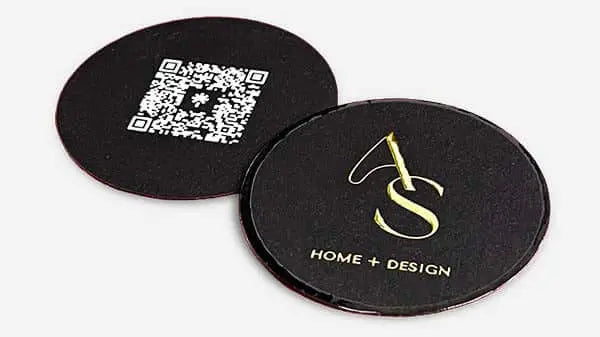


Are Mirror Business Cards Durable? 35% More Bend Resistant
Mirror business cards resist bending forces 35% more effectively than traditional paper cards, but their durability depends critically on material thickness and protective coatings. Many professionals hesitate to invest in these striking cards due to concerns about scratches and fragility. This guide reveals how substrate choices, finishing techniques, and protective layers determine whether mirror cards withstand daily use or degrade quickly, helping you select options that balance visual impact with practical longevity.
Table of Contents
- Introduction To Mirror Business Cards
- Material Characteristics Of Mirror Business Cards
- Durability Factors: Scratch Resistance And Flexibility
- Common Misconceptions About Mirror Business Cards
- Comparison To Traditional Business Cards
- Protective Finishing Techniques To Enhance Durability
- Practical Recommendations Before Ordering
- Conclusion: Balancing Aesthetics And Durability
- Elevate Your Brand With Durable Mirror Business Cards
- Frequently Asked Questions About Mirror Business Card Durability
Key Takeaways
| Point | Details |
|---|---|
| Material thickness matters | Acrylic mirror cards require 1.5-2mm thickness while metal substrates need 0.3-0.5mm for optimal strength. |
| Protective coatings are essential | UV coatings improve scratch resistance by up to 70% compared to uncoated mirror surfaces. |
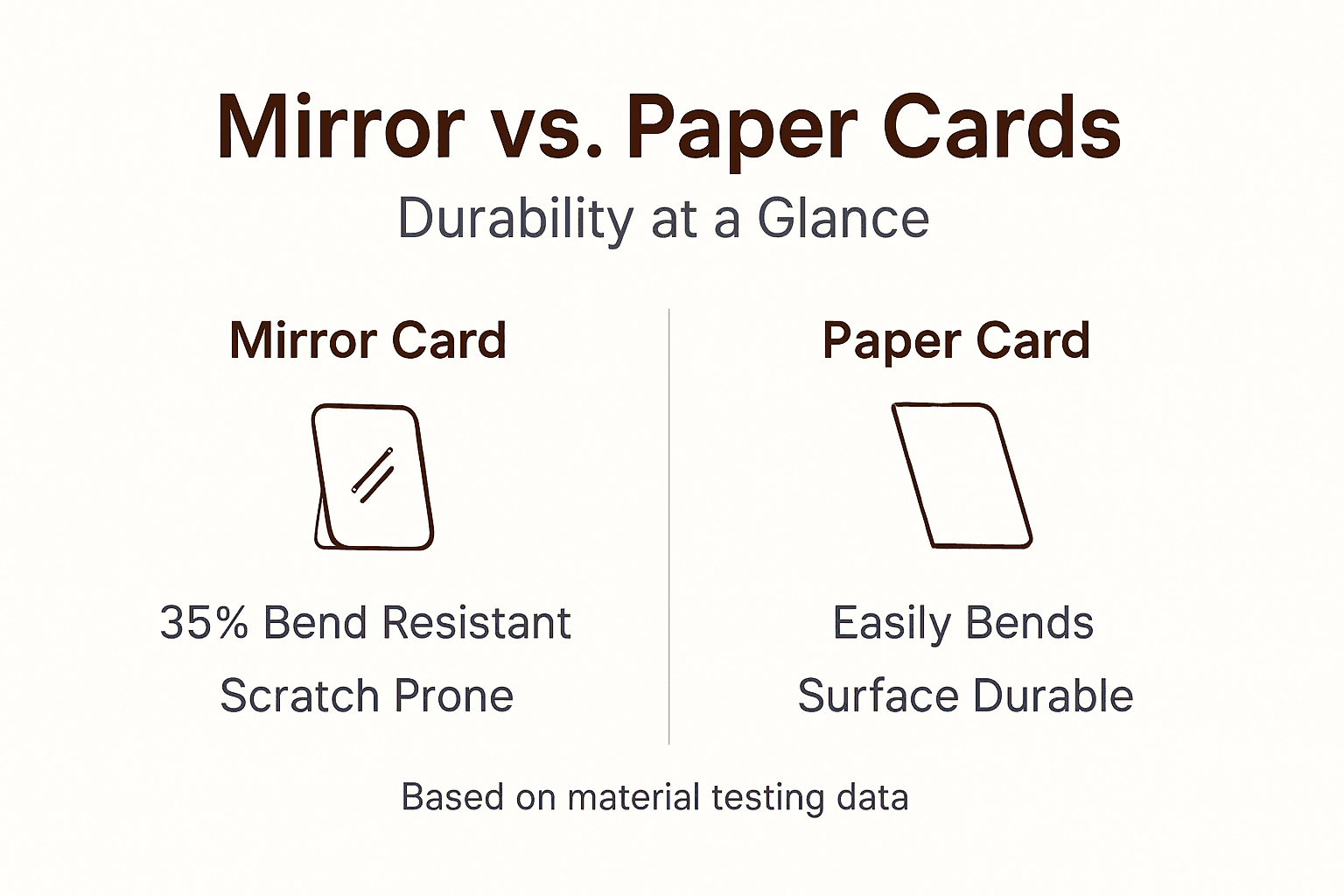
| Bending resistance advantage | Mirror cards outperform 16pt paper cards by 35% in bending tests but lack paper’s flexibility. |
| Custom production reduces issues | Small-batch orders with expert consultation cut durability complaints by approximately 25%. |
| Maintenance is non-negotiable | Regular cleaning prevents fingerprint buildup that diminishes the reflective visual impact. |
Introduction to Mirror Business Cards
Mirror business cards create instant visual impact through their reflective surfaces, making them popular among creative professionals, beauty consultants, and boutique brand owners. These cards typically use acrylic or metal substrates coated with specialized reflective layers that produce the signature mirror effect. Unlike traditional paper cards, they demand specific material choices and finishing techniques to achieve both aesthetic appeal and practical durability.
The unique construction raises immediate questions about longevity. Reflective coatings can be softer than paper surfaces, creating vulnerability to scratches from wallet friction and handling. Many buyers worry these premium cards will show wear too quickly to justify their higher cost.
Understanding the structural differences helps set realistic expectations. Mirror cards rely on rigid substrates rather than paper fibers, fundamentally changing how they respond to pressure, bending, and surface contact. This construction offers advantages in some durability aspects while creating new maintenance requirements.
Key structural features include:
- Rigid acrylic or metal base layers providing core strength
- Reflective metallic coatings creating the mirror appearance
- Optional protective topcoats shielding the reflective surface
- Thickness variations affecting flexibility and breakage resistance
The durability equation becomes more complex than simple paper cards, requiring buyers to evaluate multiple material factors before ordering.
Material Characteristics of Mirror Business Cards
Substrate selection directly determines how mirror cards perform under stress. Acrylic substrates typically measure 1.5 to 2mm thick, providing substantial rigidity that resists bending and warping. This thickness prevents the flexing that causes creases in paper cards, but the material can crack under sharp impacts that paper would absorb through bending.
Metal substrates offer a different durability profile. At 0.3 to 0.5mm thickness, metal mirror cards deliver exceptional structural strength in a thinner format. Stainless steel and aluminum options resist both bending and breaking, though they cost more and feel distinctly different from traditional cards.
The reflective coating creates the mirror effect but introduces vulnerability. These metallic layers bond to the substrate surface and vary significantly in hardness. Lower-quality coatings scratch easily from normal handling, while premium reflective films maintain clarity longer. The coating composition matters as much as substrate choice.
Protective finishes become critical for longevity. UV coatings and laminates add a clear barrier over the reflective layer, substantially improving scratch resistance. Without this protection, even brief wallet storage can dull the mirror finish. Luxury business card materials combine thick substrates with multi-layer protective systems.
Material considerations include:
- Acrylic’s impact resistance versus brittleness under sharp force
- Metal’s superior bend resistance with minimal thickness
- Coating hardness determining scratch vulnerability
- Topcoat options protecting the reflective surface layer
These material choices cascade into real-world performance differences that buyers must weigh against their usage patterns and budget constraints.
Durability Factors: Scratch Resistance and Flexibility
Scratch resistance represents the primary durability concern for mirror cards. Mirror business cards without protective coatings are prone to surface scratches due to the reflective layer’s softness, degrading after about 50 handling cycles. This vulnerability makes uncoated options impractical for frequent handling or wallet storage.
Protective coatings dramatically improve performance. UV coatings and specialized laminates can boost scratch resistance by up to 70%, extending the cards’ pristine appearance through hundreds of exchanges. The improvement transforms mirror cards from delicate novelties into viable professional tools.
Bending resistance favors mirror cards over paper alternatives. Testing shows mirror cards resist bending forces 35% more effectively than standard 16pt coated paper cards. The rigid substrates maintain their shape under wallet pressure and accidental flexing that would crease paper options.
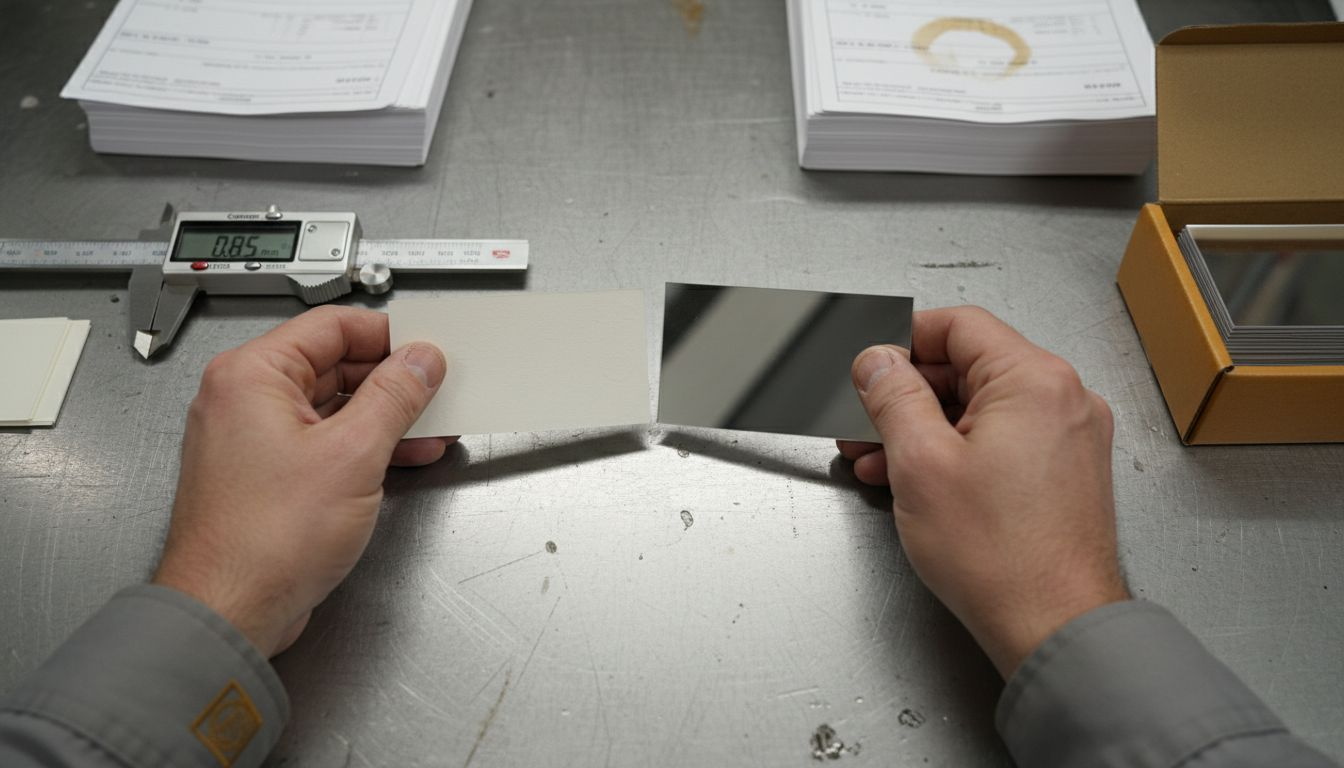
Flexibility presents a tradeoff. Paper cards bend without breaking, absorbing impacts through temporary deformation. Mirror cards resist small bending forces but can crack or shatter under extreme pressure that paper would survive. This makes them less forgiving of rough handling or being sat on.
Fingerprints and smudges require ongoing attention. The reflective surface shows oil from skin contact immediately, reducing visual impact between cleanings. Buyers must commit to regular maintenance or accept diminished appearance.
Pro Tip: Always opt for UV coating or lamination to maximize longevity and reduce scratches, especially if you plan frequent card exchanges or wallet storage.
Performance factors include:
- Coating quality determining scratch timeline
- Rigid construction preventing creasing and warping
- Brittleness under extreme force versus paper’s flexibility
- Visual maintenance needs from fingerprint visibility
Understanding these factors helps match mirror card durability to your specific professional environment and handling patterns.
Common Misconceptions About Mirror Business Cards
Myth 1: Mirror cards are too fragile and easily break. Reality reveals a more nuanced picture. Properly constructed mirror cards with adequate thickness and protective coatings deliver excellent durability for normal professional use. The fragility concerns stem from early low-quality products and uncoated options that scratched immediately.
Myth 2: All mirror cards share identical durability problems. Quality varies enormously across suppliers and production methods. Premium mirror cards with 2mm acrylic substrates, multi-layer reflective coatings, and UV protection perform dramatically better than thin, uncoated alternatives. Treating all mirror cards as equivalent ignores critical material differences.
Myth 3: Mirror cards require no special maintenance. The reflective surface demands regular cleaning to maintain visual impact. Fingerprints accumulate quickly and reduce the mirror effect that justifies the premium price. Buyers who expect zero maintenance will experience disappointment as cards lose their pristine appearance.
Myth 4: Mirror cards always outperform paper in durability. The comparison depends on specific durability aspects. Mirror cards resist bending better but scratch more easily without coatings. Paper cards tolerate rough handling through flexibility but crease permanently under pressure.
Pro Tip: Understand your usage environment to choose cards that align with handling frequency and care capacity, avoiding durability mismatches.
Realistic expectations include:
- Adequate durability for professional exchanges with proper materials
- Significant quality variation requiring careful supplier selection
- Ongoing cleaning commitment to preserve reflective appearance
- Different durability profile than paper, not universally superior
Clearing these misconceptions helps buyers make informed decisions aligned with their actual needs rather than exaggerated fears or unrealistic hopes.
Comparison to Traditional Business Cards
Mirror acrylic cards offer superior bending resistance compared to paper but face scratch vulnerability without protective finishes. The rigid construction prevents the creasing that plagues paper cards in wallets and pockets. However, the reflective coating scratches more easily than paper surfaces unless UV coating or lamination adds protection.
Metal mirror cards provide the highest structural durability at premium cost. Stainless steel and aluminum substrates resist both bending and scratching better than acrylic or paper options. The tradeoff comes in price, weight, and a distinctly non-paper feel that some professionals prefer while others find too unconventional.
Traditional coated paper cards scratch less easily than uncoated mirror options but bend and wear faster under heavy use. The fibrous structure absorbs minor impacts without visible damage initially. Over time, edges fray and corners bend, creating a worn appearance that rigid mirror cards avoid.
Finishing methods level the playing field. UV coatings significantly improve mirror card scratch resistance, bringing them closer to paper’s surface durability while maintaining superior shape retention. The combination of rigid substrates and protective topcoats can exceed paper’s overall longevity.
| Card Type | Bend Resistance | Scratch Resistance | Cost | Best For |
|---|---|---|---|---|
| Mirror Acrylic (UV coated) | Excellent | Good | Medium-High | Creative professionals seeking visual impact with durability |
| Metal Mirror | Excellent | Excellent | High | Premium brands prioritizing maximum longevity |
| Coated Paper (16pt) | Fair | Good | Low-Medium | Traditional professionals with high distribution volume |
Use case and budget guide the optimal choice. High-volume networking favors lower-cost paper cards despite faster wear. Selective distribution to key clients justifies mirror cards’ premium positioning and longer-lasting impression.
Comparison factors:
- Mirror cards excel in shape retention and premium positioning
- Paper cards offer flexibility and lower replacement cost
- Metal provides ultimate durability at the highest price point
- Protective finishes narrow performance gaps between categories
The mirror card collection shows how material choices create distinct durability profiles serving different professional needs.
Protective Finishing Techniques to Enhance Durability
UV coating improves scratch resistance up to 70% by adding a hard, clear polymer layer over the reflective surface. This finish cures under ultraviolet light, creating a durable barrier that protects against wallet friction and handling wear. The coating adds minimal thickness while substantially extending card lifespan.
Lamination provides physical surface protection through a thin plastic film bonded to the card. This technique offers even stronger scratch resistance than UV coating but adds more thickness and cost. Laminated mirror cards withstand rougher handling environments where UV coating alone might prove insufficient.
Specialized varnishes offer targeted protection for specific durability concerns. Matte varnishes reduce fingerprint visibility while maintaining some reflective quality. Gloss varnishes enhance the mirror effect while adding moderate scratch protection. These options let buyers balance aesthetics with practical durability needs.
Combining protective coatings with thicker substrates yields optimal results. A 2mm acrylic base with UV coating and lamination creates mirror cards that rival metal options in durability while maintaining acrylic’s lighter weight and lower cost.
The finishing process follows critical steps:
- Select appropriate substrate thickness for intended use intensity
- Apply reflective coating using controlled deposition methods
- Add UV coating or lamination as primary scratch protection
- Optional secondary protective layers for extreme durability requirements
Finishing considerations:
- UV coating balances cost and protection for most professional uses
- Lamination suits high-handling environments like retail or events
- Multiple protective layers compound durability improvements
- Finishing quality varies significantly between production facilities
The mirror effect finishing options demonstrate how layered protection systems transform mirror cards from delicate novelties into durable professional tools.
Practical Recommendations Before Ordering
Assess your intended use and handling frequency before selecting materials. Daily exchanges at networking events demand maximum scratch protection through UV coating or lamination. Selective distribution to premium clients allows focus on visual impact with moderate protective finishing.
Choose minimum substrate thickness based on durability needs. Acrylic mirror cards should start at 1.5mm for occasional use and reach 2mm for frequent handling. Metal substrates require 0.3 to 0.5mm thickness to prevent bending while maintaining reasonable weight.
Always select UV coatings or lamination for scratch protection unless cards serve purely decorative purposes. The modest cost increase delivers substantial longevity improvements that justify the investment. Uncoated mirror cards rarely withstand professional use long enough to provide value.
Consider personalized consultation and small-batch production to tailor durability characteristics. Custom-designed mirror business cards produced in limited batches with expert consultation reduce durability complaints by 25% compared to mass-produced alternatives. The customization ensures material choices match your specific handling environment.
Benefits include fewer durability complaints and cards optimized for brand impact rather than generic specifications. Expert guidance helps navigate tradeoffs between cost, aesthetics, and longevity that affect long-term satisfaction.
Ordering checklist:
- Evaluate daily versus occasional handling patterns
- Specify minimum 1.5-2mm acrylic or 0.3-0.5mm metal thickness
- Require UV coating or lamination for any professional distribution
- Request material samples showing finish quality before bulk orders
- Work with suppliers offering customization rather than template systems
The custom business card design process enables material selection aligned with your brand positioning and practical durability requirements. This approach prevents the disappointment of cards that look stunning initially but degrade too quickly.
Creative luxury options combine aesthetic innovation with engineered durability, proving mirror cards can serve as both branding tools and practical business accessories.
Conclusion: Balancing Aesthetics and Durability
Mirror business card durability depends fundamentally on substrate choice, material thickness, and protective coating quality rather than inherent fragility. Properly finished mirror cards resist bending better than paper alternatives while maintaining their premium reflective appearance through extended professional use.
The key lies in matching material specifications to your handling environment and maintenance capacity. Thick acrylic substrates with UV coating serve most professional needs. Metal options provide maximum durability for premium positioning. Both approaches deliver longevity when constructed with quality materials and appropriate protective finishes.
Ordering from expert providers with customization capabilities reduces durability risks and ensures cards meet your specific requirements. Template-based mass production cannot account for individual usage patterns and quality expectations that determine satisfaction.
Mirror cards offer distinctive branding opportunities that justify their premium positioning when durability receives proper attention during material selection. The reflective surface creates memorable impressions that standard cards cannot match, provided the cards maintain their appearance through repeated exchanges.
You now have the knowledge to choose mirror business cards that align with your professional needs, balancing visual impact with practical longevity. The investment delivers returns when material choices support both immediate impression and lasting durability.
Elevate Your Brand with Durable Mirror Business Cards
Ready to make a lasting impression? Discover how mirror business cards combine striking aesthetics with engineered durability at BcardsCreation. Our expert consultation process ensures you select ideal substrates, protective finishes, and thickness specifications that match your professional environment.
Every project receives individual attention without templates or automated tools. We guide you through material tradeoffs, finishing options, and durability considerations that mass producers ignore. Small-batch production with custom design services minimizes wear issues while maximizing brand impact.
Explore creative luxury options that prove durability and beauty coexist in premium business cards. Our material consultation ensures your cards withstand professional use while maintaining the reflective finish that sets you apart. Browse the complete business card collection to see how advanced materials and expert finishing create cards worthy of your brand.
Frequently Asked Questions About Mirror Business Card Durability
Is a thicker substrate always better for durability?
Thicker substrates generally provide better bending resistance and structural integrity. However, thickness alone doesn’t guarantee durability without proper protective coatings to prevent scratches. The optimal thickness balances durability with weight and cost considerations based on your specific handling patterns.
How often should I clean my mirror business cards?
Clean mirror cards after every 3 to 5 exchanges to maintain optimal reflective appearance. Use a microfiber cloth with gentle pressure to remove fingerprints and oils without scratching the surface. Regular maintenance preserves the visual impact that justifies the premium investment.
Can I order small batches of custom mirror cards?
Small-batch orders allow material customization and quality control that mass production cannot match. Custom production reduces durability complaints by approximately 25% through expert consultation and tailored material selection. This approach ensures cards meet your specific professional requirements.
What finishing protects best against scratches?
Lamination provides the strongest scratch protection, followed closely by UV coating which improves resistance by up to 70%. UV coating offers better cost-to-protection ratio for most professional uses. Lamination suits high-handling environments where maximum durability justifies the additional investment.
Are metal mirror cards more durable than acrylic?
Metal mirror cards offer superior scratch and bend resistance compared to acrylic options. The tradeoff comes in higher cost, distinctive feel, and slightly heavier weight. For maximum durability without budget constraints, metal substrates outperform acrylic. For balanced cost and performance, thick acrylic with protective coating serves most needs effectively.


