

Advantages of Luxury Printing for Brand Differentiation
TL;DR:
- Luxury printing enhances brand perception, perceived value, and customer loyalty through premium materials and tactile finishes. Digital embellishment offers cost-effective, customizable options for short runs, increasing operational flexibility and personalization. Strategically used, luxury print assets serve as lasting brand anchors that outperform digital advertising in long-term brand recall.
Luxury printing is defined as the use of premium materials, advanced finishing techniques, and tactile embellishments to produce printed materials that communicate quality, exclusivity, and brand authority. The advantages of luxury printing extend well beyond aesthetics. They influence how consumers feel about a product before they ever use it, how much they are willing to pay, and how long they remember the brand. For business owners and marketing professionals, understanding these benefits is a direct path to stronger positioning, higher perceived value, and more durable customer relationships.
1. Advantages of luxury printing start with sensory brand perception
The most immediate benefit of premium printing is its effect on how people perceive your brand through touch and sight. Embellished printed pieces using foils, embossing, and varnishes are 2.5 times more attractive and increase perceived package quality by 46%. That is not a marginal improvement. It is the difference between a brand that feels considered and one that feels generic.
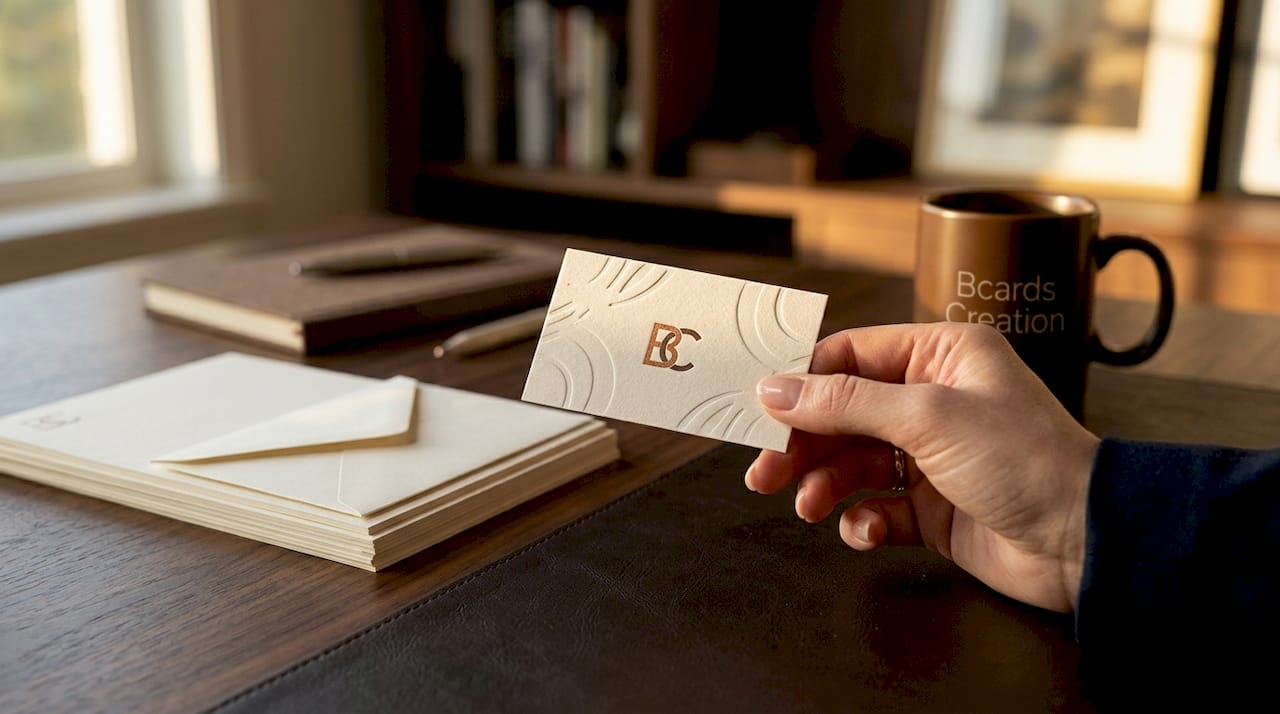
Print enhancements work because they create multisensory experiences that trigger emotional and behavioral responses, not just visual decoration. When someone picks up a business card with soft-touch coating or a catalog with foil stamping, the physical sensation activates what psychologists call the endowment effect. The person begins to feel a sense of ownership and attachment before any transaction occurs.
Common luxury finishes that produce this effect include:
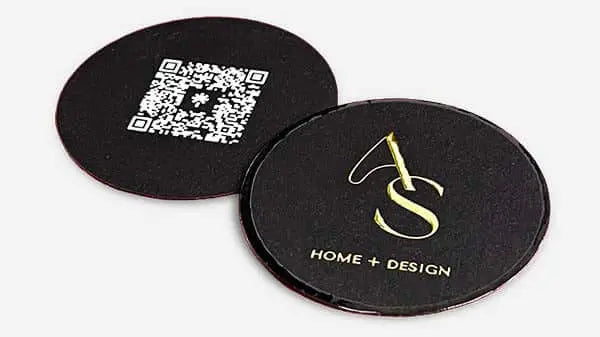
- Foil stamping (gold, silver, holographic): signals prestige and catches light in ways standard ink cannot
- Embossing and debossing: adds physical dimension that communicates craftsmanship
- Soft-touch coatings: creates a matte, velvet-like surface that slows the hand and holds attention
- Spot UV varnish: creates contrast between matte and gloss areas, drawing the eye to specific design elements
Pro Tip: Apply soft-touch coating to the full card surface and combine it with spot UV on your logo only. The contrast between the two finishes creates a tactile focal point that makes your brand mark impossible to ignore.
“Touching premium packaging significantly increases purchase likelihood, with 4 touches making shoppers 90% more likely to buy.” — Konica Minolta research
The implication for business cards and marketing collateral is direct. Every time a prospect handles your printed material, the finish is doing persuasion work on your behalf.
2. Operational advantages of digital luxury printing
Digital embellishment technology has changed the economics of high-end printing for businesses that do not operate at mass scale. Digital embellishment avoids thousands in die costs and reduces time to market by eliminating the need for physical tooling. For a brand running a seasonal campaign or a limited-edition product launch, this is a significant operational advantage.
Traditional luxury print methods required custom dies for foil stamping and embossing. Each die had a fixed cost, which made short runs economically impractical. Digital embellishment removes that barrier entirely. You can produce 50 premium business cards with foil and embossing at a unit cost that would have been impossible a decade ago.
The operational benefits stack further:
- No minimum run requirements: produce exactly what you need, reducing waste and storage costs
- Fast design iteration: change a foil color or adjust an emboss pattern between runs without retooling
- Variable data printing: personalize each piece with a name, title, or custom message at no additional setup cost
- A/B testing capability: digital embellishments allow brands to test design variations quickly and cost-effectively to optimize consumer appeal
Digital printing reduces setup time, waste, and inventory costs, making premium packaging more cost-effective for short runs and versioning. Brands achieve faster time-to-market and reduce obsolete inventory risks. For marketing professionals managing multiple campaigns across different audience segments, this flexibility is operationally valuable.
Pro Tip: Use variable data printing to produce personalized luxury business cards for your top 20 clients. A card with their name or a custom message printed in foil creates a one-to-one brand moment that a standard card cannot replicate.
3. Higher perceived value and premium pricing power
One of the most commercially significant high-end printing advantages is its direct effect on price perception. Consumers perceive products in premium packaging as 32% more valuable even when the product is identical. That uplift does not require a product change. It requires a packaging and presentation decision.
The psychology behind this is well documented. Weight, texture, and finish each function as quality signals. Rigid, high-weight packaging is perceived as substantive and trust-inspiring versus lightweight alternatives. A thick, textured business card on 600gsm cotton stock communicates something that a standard 350gsm card simply cannot.
| Luxury print element | Effect on perceived value | Business application |
|---|---|---|
| Foil stamping | Signals prestige and exclusivity | Business cards, brand stationery, packaging |
| Soft-touch coating | Communicates refinement and care | Brochures, lookbooks, premium mailers |
| Embossing on heavy stock | Implies craftsmanship and permanence | Business cards, invitations, certificates |
| Spot UV on matte base | Creates visual hierarchy and sophistication | Covers, product sheets, presentation folders |
This perceived value gap reduces price sensitivity in your customers. When a prospect receives a luxury-printed business card, they form an immediate assumption about your pricing tier. That assumption works in your favor if you are positioning as a premium service or product provider. Premium embellishments outsell plain finishes by tenfold in competitive markets, which reflects how strongly consumers vote with their behavior when quality signals are present.
4. Long-term branding power of physical print assets
Digital advertising disappears the moment a campaign ends. A well-produced luxury print piece does not. Luxury print items act as trust anchors that create prolonged physical engagement, leading to stronger brand recall and customer lifetime value. This is the concept of the “Tactile Dividend.” A physical object that stays on a desk, a shelf, or in a wallet continues to generate brand impressions long after its production cost is amortized.
Luxury brands including Hermès, LVMH, and Rolls-Royce have returned to printed books and curated mailers precisely because of this permanence. A printed brand book sent to a high-value prospect signals institutional seriousness in a way that an email campaign cannot. The physical object implies that the brand invested in the relationship before any purchase was made.
- A luxury business card kept in a wallet is seen repeatedly over months, not once
- A premium catalog placed on a coffee table becomes a passive brand ambassador in a client’s home or office
- A foil-stamped thank-you card sent after a sale reinforces the purchase decision and increases repeat business likelihood
“Luxury print formats designed for prolonged physical engagement serve as strategic brand tools to establish institutional membership rather than one-time impressions.” — Freedom 1570
As digital ad fatigue increases and inbox saturation grows, physical print materials gain relative attention value. The brands that maintain a physical print presence are differentiating themselves by occupying a channel that most competitors have abandoned.
5. Comparing luxury printing methods and materials
Choosing the right luxury print technique depends on your brand positioning, budget, and the specific material you are producing. Not every finish suits every application. Here is a practical comparison to guide your decisions.
Foil stamping works best for brand marks, logos, and typographic elements where you want a metallic or reflective effect. It is available in gold, silver, rose gold, and holographic variants. Traditional foil stamping requires a die, which adds cost for short runs. Digital foil eliminates the die and suits runs under 500 pieces.
Embossing and debossing add physical dimension to a surface. Embossing raises an element above the paper plane. Debossing presses it below. Both techniques work best on heavier stocks, typically 400gsm and above, where the paper has enough body to hold the impression cleanly. You can explore the full range of tactile print techniques and how they affect sensory perception in detail.
Spot UV applies a high-gloss varnish to selected areas of a matte-coated surface. The contrast between the two finishes creates visual depth and draws attention to specific design elements. It is one of the most cost-effective luxury finishes available and works well on business cards, brochures, and packaging.
Soft-touch coating covers the entire surface in a matte, friction-resistant film that feels like fine paper or suede. It is a full-surface treatment rather than a spot treatment, which makes it a foundation finish rather than an accent. Combine it with foil or spot UV for maximum contrast.
Material choices matter as much as finish selection:
- Cotton and textured papers: communicate artisan quality and work well with letterpress or debossing
- Specialty stocks (black core, colored core): reveal a colored edge when the card is viewed from the side, adding a detail that rewards close inspection
- Plastic and metal cards: signal permanence and are suited to industries where durability and novelty carry brand weight
For brands requiring frequent luxury print updates such as seasonal collections or limited editions, digital embellishment offers unmatched operational agility compared to traditional die-based methods. For brands producing a single flagship piece at higher volume, traditional methods may offer better unit economics above 1,000 pieces.
Understanding printing techniques and how each shapes brand story is the foundation of a good material decision.
Key takeaways
Luxury printing delivers measurable advantages in brand perception, pricing power, and long-term customer engagement by combining premium materials with advanced finishing techniques.
| Point | Details |
|---|---|
| Sensory perception drives purchase | Embellished prints are 2.5x more attractive and increase perceived quality by 46%, directly influencing buyer behavior. |
| Digital embellishment reduces barriers | No die costs and no minimum runs make luxury finishes accessible for short campaigns and personalized pieces. |
| Premium packaging raises perceived value | Consumers rate identical products 32% more valuable when presented in premium packaging, reducing price sensitivity. |
| Physical print creates lasting impressions | Luxury print pieces generate ongoing brand exposure long after digital campaigns end, acting as trust anchors. |
| Finish and material choice is strategic | Matching the right technique (foil, embossing, soft-touch) to your brand tier and run size determines ROI. |
Why I think most brands underestimate what a card can do
I have worked with enough brands to see a consistent pattern. The businesses that treat printed materials as a line-item expense almost always produce forgettable work. The ones that treat a business card or a mailer as a brand asset produce something people keep.
The most common mistake I see is choosing a finish because it looks impressive in a sample kit, without thinking about how it functions in context. Foil on a dark card stock reads differently than foil on white. Embossing on 300gsm paper loses definition that the same technique holds perfectly on 600gsm cotton. The finish and the material have to be chosen together, not independently.
What I find genuinely useful about digital embellishment is not the cost saving, though that matters. It is the ability to test. You can produce 100 cards with one foil color and 100 with another, hand them to different segments of your network, and observe which generates more conversation. That kind of feedback loop was not available to small brands five years ago.
The brands getting the most value from luxury print right now are not the ones spending the most. They are the ones being the most deliberate. They know exactly who will receive the piece, what impression they want to create, and which finish best communicates that. Treat your printed materials as a first conversation, not a formality.
— Kostiantyn
Elevate your brand with Bcardscreation’s premium business cards
Bcardscreation produces fully custom business cards built around your brand, not a template. Every project starts with a material and design consultation, so the finish you choose is the right one for your positioning and your audience.
The studio works with specialty papers, foil stamping, soft-touch coatings, embossing, colored-core stocks, and plastic cards, all produced in small batches with individual attention. If you are ready to produce a card that works as a brand asset, explore custom business card design options or browse the full range of foil and luxury cards to find the right starting point for your project.
FAQ
What are the main advantages of luxury printing for businesses?
Luxury printing increases perceived product value by up to 32%, strengthens brand recall through tactile engagement, and reduces price sensitivity among consumers. It also supports premium positioning that standard print cannot achieve.
How does digital embellishment differ from traditional luxury printing?
Digital embellishment eliminates die costs and tooling delays, making foil stamping and embossing accessible for short runs and personalized pieces. Traditional methods offer better unit economics at high volumes but require higher upfront investment.
Which luxury print finish is most effective for business cards?
Soft-touch coating combined with spot UV or foil stamping on the logo delivers the strongest sensory contrast and brand recall. The choice depends on your brand color palette and the stock weight you are using.
Does luxury printing justify a higher price point for products or services?
Yes. Consumers perceive products in premium packaging as 32% more valuable even when the product itself is identical, which directly supports higher pricing and reduces buyer hesitation.
Is luxury printing practical for small businesses or short runs?
Digital luxury printing makes premium finishes practical for runs as small as 50 to 100 pieces. There are no die costs, no minimum quantities, and no tooling delays, which makes it well suited to small-batch production and targeted campaigns.


