

Advantages of Premium Cards for Business Professionals
TL;DR:
- Premium business cards are made with specialty materials and finishes that signal brand quality. They create tactile and visual impressions that enhance perceived professionalism and memorability. Investing in a few signature finishes offers the best return, especially for frequent networkers in premium industries.
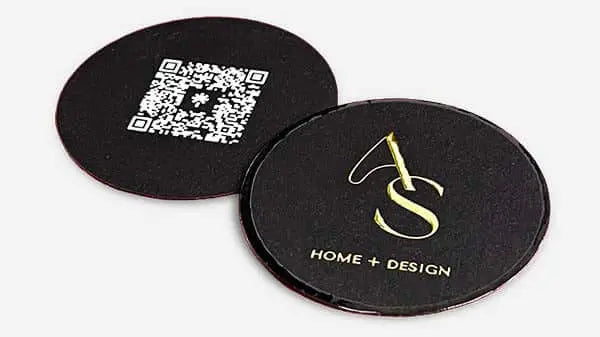
Premium business cards are defined as cards produced with specialty materials, refined finishes, and custom design work that communicate brand quality before a single word is spoken. For founders, executives, and client-facing professionals, the advantages of premium cards go well beyond aesthetics. A card printed on thick cotton stock with real gold foil or a soft-touch coating signals craft, attention to detail, and seriousness. Bcardscreation works with professionals who treat their cards as a positioning tool, not a formality. The difference between a standard card and a premium one is felt the moment it lands in someone’s hand.
1. What are the key material and design advantages of premium business cards?
The material a card is printed on carries meaning. Thick paper stocks, real metal foils, clear plastic, and specialty coatings each create a physical experience that a standard 14pt card cannot replicate. That tactile signal registers immediately and shapes how the recipient perceives your brand.
Premium business card materials fall into several categories that each serve a different brand purpose:
- Thick fine paper stocks (400gsm and above): Convey solidity and permanence. They resist bending and feel substantial in the hand.
- Real foil stamping (gold, silver, rose gold, holographic): Catches light and draws the eye to key brand elements like logos or names.
- Clear plastic cards: Communicate modernity and transparency. They stand out in any card holder or wallet.
- Soft-touch coating: Creates a matte, velvety surface that makes cards feel considered and refined.
- Colored edge painting: Adds a detail visible only when the card is held at an angle, rewarding closer inspection.
Design flexibility is equally important. Premium production allows for precise spot UV, debossing, and layered paper constructions that standard digital printing cannot achieve. Each finish can be aligned to a specific brand identity rather than forced into a template.
Pro Tip: Choose one signature finish that reflects your brand’s core quality. A real gold foil logo on a thick cotton card communicates more than four different finishes competing for attention.

2. How premium cards enhance brand perception and networking
A business card is often the last physical object you leave with a contact. Its quality becomes a proxy for your professional standards. Recipients make fast judgments, and a card that feels cheap undercuts an otherwise strong meeting.
The psychological effect of a well-made card is direct. When someone holds a card with real foil and a thick, textured stock, they associate that quality with the person who gave it to them. That association builds trust before any follow-up email arrives.
“The card you leave behind is the version of you that stays in the room after you’ve left.”
Premium cards also perform better in competitive networking environments. At industry events, trade shows, and client meetings, most professionals exchange similar-looking cards. A card printed on fine paper with real foils gets kept, photographed, or shown to others. Standard cards get stacked and forgotten.
Key brand perception benefits include:
- Memorability: Distinctive materials make cards harder to discard and easier to recall.
- Differentiation: A clear plastic card or a double-layered paper card with colored edges signals that you operate differently from competitors.
- Trust signals: High production quality implies that you invest in your work and your clients’ experience.
- Referral potential: A card worth keeping gets passed along. That physical referral carries weight that a digital contact does not.
3. Which premium card customization features provide the best ROI?
Not every premium finish delivers equal impact for every brand. The right choice depends on your industry, your client base, and what your brand needs to communicate. The comparison below maps common premium features to their brand impact and best use cases.
| Feature | Brand signal | Best for |
|---|---|---|
| Real gold or silver foil | Luxury, authority | Finance, law, luxury retail |
| Soft-touch matte coating | Refinement, calm | Design, consulting, wellness |
| Clear plastic card | Modern, transparent | Tech, architecture, creative agencies |
| Colored edge painting | Detail-oriented, exclusive | Any premium brand wanting a subtle differentiator |
| Raised foil (3D texture) | Tactile impact, craftsmanship | Creative professionals, premium brands |
| Double-layered paper | Thickness, substance | Executives, founders, high-contact professionals |
Foil stamping and embossing are the two most requested premium finishes. Foil stamping applies metallic or pigmented film to the card surface, creating a reflective element. Embossing raises a design element above the card surface, creating a three-dimensional effect you can feel. Both work best when applied to a single focal point, such as a logo or name, rather than used across the entire card.
Colored edge business cards offer one of the highest impact-to-cost ratios in premium card production. The painted edge is invisible at first glance and only reveals itself when the card is picked up and examined. That moment of discovery creates a strong memory anchor.
Pro Tip: Pair a soft-touch matte coating with a spot UV gloss on your logo. The contrast between the two surfaces creates a tactile and visual effect that photographs well and impresses in person.
The concept of ROI applies directly here. Premium cards carry real costs, but the return comes through stronger first impressions, higher card retention rates, and the brand signal they send in competitive environments. The investment is front-loaded. The returns compound over every networking interaction.
4. When investing in premium business cards makes the most sense
Premium cards are not the right choice for every situation. The value they deliver scales with how often you network, what your clients expect, and how much your brand positioning depends on physical presentation.
The following situations justify a premium card investment:
- High-frequency networking: Professionals who attend multiple events per month, such as founders, sales directors, and business development leads, benefit most. Each card exchange is a brand impression.
- Client-facing roles in premium industries: Finance, law, architecture, luxury real estate, and high-end consulting clients expect quality at every touchpoint. A standard card in these contexts signals a mismatch.
- Brand launch or repositioning: When you are establishing a new identity or moving upmarket, your card is one of the first physical signals of that shift.
- Speaking engagements and conferences: Cards exchanged after a talk or panel carry extra weight. The person receiving it already has a positive impression of you. A premium card reinforces it.
- Executive and C-suite roles: At the senior level, the card is a personal brand artifact. It represents not just a company but an individual’s professional identity.
For professionals who network less frequently or operate in cost-sensitive industries, a well-designed card on a quality stock without specialty finishes still outperforms a commodity card. The goal is always to match card quality to brand expectations.
Choosing the right card also means thinking about longevity. A premium card printed on durable materials survives months in a wallet without curling or fading. That durability extends the card’s working life and keeps your brand visible longer.
The research on premium financial products offers a useful parallel. Premium products require strategic use to deliver their full value. The same logic applies to premium business cards. Professionals who treat their cards as a deliberate brand investment see the return. Those who order premium cards without a clear brand strategy often underuse what they have paid for.
It is also worth noting that benefit complexity can reduce value when the user is not engaged. For business cards, the equivalent mistake is ordering a card with too many competing finishes. Restraint in design produces a stronger result than excess.
Key takeaways
Premium business cards deliver measurable brand advantages when material choice, finish selection, and design intent are aligned with a clear professional positioning strategy.
| Point | Details |
|---|---|
| Material quality signals brand quality | Thick stocks, real foils, and specialty coatings create a tactile first impression that standard cards cannot match. |
| Customization drives memorability | Features like colored edges, raised foil, and clear plastic make cards distinctive and harder to discard. |
| ROI depends on fit | Premium cards deliver the strongest return for high-frequency networkers in client-facing, premium industries. |
| Restraint improves impact | One or two signature finishes outperform cards with multiple competing effects. |
| Card longevity extends brand reach | Durable premium materials keep your card in circulation longer, extending every networking interaction. |
My take on getting real value from premium cards
What I’ve learned about premium cards and real brand impact
I’ve reviewed hundreds of card projects across industries, and the pattern is consistent. The professionals who get the most from premium cards are not the ones who spend the most. They are the ones who make a deliberate choice about what their card needs to communicate and then execute that choice with precision.
The most common mistake I see is treating premium finishes as decoration. A founder orders a card with gold foil, soft-touch coating, and colored edges because they want it to look impressive. The result is often visually busy and tactilely confusing. The card feels expensive but says nothing clear about the brand.
The professionals whose cards I remember are the ones who made one strong choice. A clear plastic card for an architect. A double-layered black card with a single silver foil logo for a private equity director. A cotton stock card with no coating and a debossed name for a luxury interior designer. Each card communicated one thing clearly and let the material do the work.
Current card design trends confirm this direction. Restraint and material quality are outperforming complexity and decoration. The professionals who understand this are the ones whose cards get kept.
— Kostiantyn
Explore Bcardscreation’s premium custom card options
Bcardscreation designs and produces premium business cards for professionals who want their card to work as hard as they do. Every project is developed individually, with material consultation and expert design guidance built into the process.
From real foil luxury cards to clear plastic business cards and fine paper with colored edges, Bcardscreation offers a full range of premium finishes for small-batch, custom production. No templates. No automated editors. Just cards built to represent your brand at its best. Start your custom business card design with Bcardscreation today.
FAQ
What makes a business card “premium”?
A premium business card uses specialty materials such as thick paper stocks, real metal foils, clear plastic, or tactile coatings that standard digital printing cannot produce. The result is a card with a distinct physical quality that communicates brand value on contact.
Are premium cards worth it for small business owners?
Premium cards deliver the strongest return for professionals who network frequently and operate in industries where client expectations are high. For lower-frequency networkers, a quality stock with clean design still outperforms a commodity card without requiring specialty finishes.
What is the best premium finish for a first impression?
Real foil stamping on a thick paper stock consistently produces the strongest first impression. The reflective quality of gold or silver foil draws the eye immediately, and the weight of the card reinforces the quality signal.
How do premium business cards compare to standard cards in durability?
Premium cards printed on 400gsm or heavier stocks with protective coatings resist bending, moisture, and edge wear far better than standard 14pt cards. That durability keeps your card in circulation longer and maintains a clean appearance through months of wallet use.
How many finishes should a premium card have?
One or two finishes produce the clearest brand signal. Benefit complexity reduces value when it creates confusion rather than clarity. The same principle applies to card design: a single strong finish communicates more than four competing effects.


