

What Is Unique Card Design: a 2026 Expert Guide
TL;DR:
- Unique card design emphasizes strategic choices in materials, finishes, structure, and messaging to genuinely reflect a brand. It incorporates sensory features like custom shapes, textured stocks, and functional elements such as QR codes, all aligned with brand identity. Proper technical preparation and intentional audience-focused design ensure the card leaves a lasting, authentic impression.
Most people assume unique card design means an unusual shape or a shiny finish. That assumption leads to cards that look memorable but say nothing. What is unique card design, really? It is the deliberate combination of material, structure, finish, and messaging that communicates who you are before you say a word. This guide breaks down the core elements that create genuinely distinctive cards, the technical requirements that make them print-ready, and the strategic thinking that separates cards people keep from cards people discard.
Table of Contents
- Key takeaways
- What makes a card design truly unique
- How card design communicates brand identity
- Technical requirements for professional results
- Emerging trends in card design
- Practical tips for using your cards effectively
- My take on what unique card design actually means
- Ready to design a card worth keeping?
- FAQ
Key takeaways
| Point | Details |
|---|---|
| Unique design is strategic, not decorative | A card earns its distinction through brand alignment, not novelty alone. |
| Material and finish carry meaning | Thick stocks, foil, and texture signal quality and reinforce brand positioning. |
| Technical specs protect your investment | Resolution, bleed, and color model decisions determine whether a card prints as designed. |
| Storytelling outlasts gimmicks | Cards rooted in authentic brand identity create lasting impressions. |
| Function and form must coexist | Contact clarity and creative design are not opposites. Balance both. |
What makes a card design truly unique
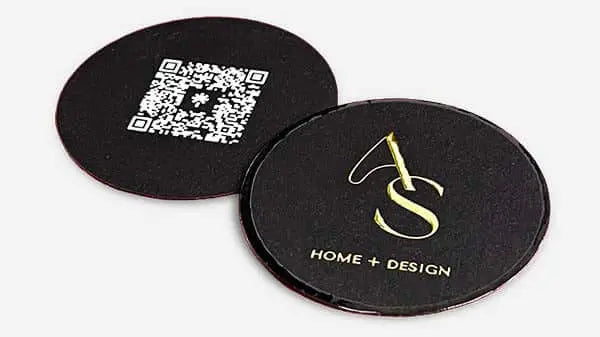
The term gets used loosely. A round card is called unique. A card with a QR code gets the same label. But multi-sensory memorable features are what actually separate distinctive cards from novelty items. Those features include custom shapes, 3D textures, and functional utility. Not one of those alone, but a combination that serves a specific brand purpose.
Here are the core elements that define unique card design in 2026:
Materials beyond standard paper stock
- Metal cards create immediate weight and permanence. They work for finance, luxury goods, and executive-level branding.
- Wood veneer cards communicate craft and sustainability. Appropriate for artisans, architects, and eco-focused brands.
- Thick textured stocks (600gsm and above) signal quality through touch before the recipient reads a single word.
- Transparent plastic cards offer a visual layer of sophistication that paper cannot replicate.
Finishes that do more than look good
Foil accents catch light and create focal points. Embossing adds dimension that recipients physically feel. Soft-touch laminate changes how a card is held and perceived. These are not decorations. They are sensory signals that shape first impressions.

Shape and structure
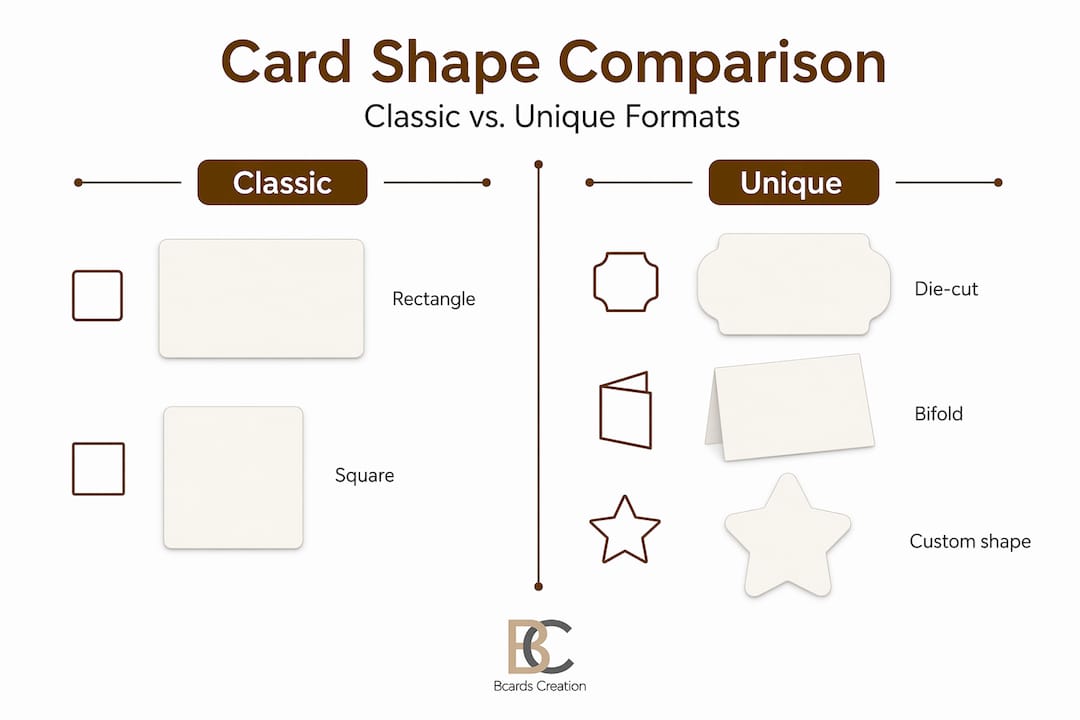
Going beyond the standard 3.5" x 2" rectangle opens real creative territory. Die-cut custom shapes, bifold formats, and pop-up structures all extend how a card functions. A bifold card gives you four printable panels. That is space for a portfolio thumbnail, a service list, or a brand story.
Functional features
QR codes have matured from gimmick to standard. NFC-enabled cards take that further, connecting a physical handshake to a digital profile with a tap. These functional card features extend the card’s usefulness beyond the initial exchange.
Pro Tip: Do not add a QR code as an afterthought. Design it into the card from the start so it becomes part of the visual hierarchy, not a sticker applied at the end.
How card design communicates brand identity
A card made of recycled kraft stock sends a different signal than one printed on brushed metal. Neither is wrong. Both communicate something specific. The question is whether what they communicate matches what your brand actually stands for.
This is where most card projects go sideways. Businesses choose materials and finishes based on what looks impressive rather than what reflects their positioning. Embellishment without brand alignment produces clutter, not distinction. Foil on a brand that positions itself around simplicity creates friction. The card contradicts the message.
Montlake Card Co. offers a clear example of alignment done right. The brand engaged local students to create original watercolor landmark designs, connecting the card’s visual identity directly to its community roots. The result was authenticity that no AI-generated imagery or stock illustration could replicate. The design choices reinforced the brand story instead of competing with it.
“Unique card design success comes from storytelling and community connection, not gimmicks.”
When you are thinking through how to design unique cards, start with the audience who will receive them. A venture capital firm’s card and an independent ceramicist’s card serve completely different conversations. Material weight, finish type, color palette, and typography should each reflect the professional context, not just personal preference.
Pro Tip: Before selecting any finish or material, write one sentence describing what you want the recipient to feel when they hold your card. Use that sentence as your design filter for every subsequent decision.
When you align brand identity with card design, the card stops being a contact detail and becomes a positioning statement.
Technical requirements for professional results
Creative decisions matter. So do the technical ones. Getting the specs wrong means a beautiful design prints poorly, or not at all.
Here are the four production requirements every card project must address:
-
Resolution at 300 DPI minimum. Digital screens display at 72 DPI. Print requires 300 DPI for sharp results. Images that look crisp on screen will pixelate in print if they were not created at sufficient resolution. Build your files at full size and full resolution from the beginning.
-
Bleed and safety zones. Bleed areas and safety zones exist because print trimming is not pixel-perfect. The standard bleed is 3mm beyond the card edge. Safety zones should sit at least 4mm inside the trim line. Any text or logo placed within the safety zone risks being cut.
-
RGB to CMYK conversion. Design software defaults to RGB because screens are RGB. Printers use CMYK. RGB to CMYK conversion is necessary before sending files to production. Without it, colors shift. Blues become purple. Vibrant oranges go muddy. Always proof a converted file before approving final production.
-
Core material selection. This matters more than most designers realize. Blue core is standard; black core prevents light transmission for casino-grade opacity. For premium business cards, core material affects rigidity, tactile quality, and how the card holds up over time.
| Spec | Standard | Premium |
|---|---|---|
| Resolution | 300 DPI | 300 DPI minimum |
| Bleed area | 3mm | 3mm |
| Safety zone | 4mm from trim | 4mm from trim |
| Color model | CMYK | CMYK with spot colors |
| Card core | Blue core | Black core or custom |
Emerging trends in card design
The most interesting examples of unique card designs happening right now sit at the intersection of craft and technology.
- Artist-driven serialized designs. Collectible card culture has pushed authenticity into the spotlight. Topps increased NBA Topps Chrome Superfractors in 2025, demonstrating how rarity and original artwork drive perceived value. The same logic applies to small-batch business cards where exclusivity and craftsmanship signal status.
- Mechanics-first design thinking. In tabletop card design, bottom-up design means the card’s function drives its visual structure, not the reverse. Applied to business cards, this means deciding what the card needs to do before deciding how it should look.
- Laser cutting and die-cut QR shapes. Laser-cut cards can incorporate the QR code as a physical cutout rather than a printed element. The code becomes part of the card’s structure. It is one of the more striking examples of unique card designs in production today.
- Interactive physical features. Sliders, fold-out panels, and textured zones built into the card structure create a tactile experience that recipients engage with rather than just glance at. These features work best when they serve a purpose, such as revealing a second piece of information or demonstrating a product concept.
- Sustainable material innovation. Seed paper, stone paper, and recycled cotton stock are gaining traction among brands that want material choices to reflect environmental values. These are not novelties. They are positioning decisions made tangible.
The key across all of these trends is balance. Novelty without clarity confuses recipients. The most memorable cards make an impression and still communicate the essential information without requiring effort to decode.
Practical tips for using your cards effectively
Designing personalized greeting cards or business cards takes careful thought, but how you use them matters just as much as how they look.
- Lead with hierarchy. Your name and primary contact method should be immediately readable. Creative typography is fine as long as it does not slow comprehension.
- Limit the information. A card is not a brochure. Name, title, one phone number, one email, one website. A QR code can carry the rest.
- Hand cards intentionally. Give your card at the end of a meaningful conversation, not at the start. The card should reinforce a connection, not replace making one.
- Use the back. Most cards leave the back blank. That is wasted real estate. A short tagline, a portfolio image, or a single service list gives the recipient a reason to flip it over and engage further.
- Incorporate a clear call to action. A QR code linked to a specific landing page, a portfolio, or a booking page turns a card into a conversion tool. Generic QR codes that link to a homepage miss this opportunity.
Pro Tip: Order a small batch first. Print 50 cards, use them at real events, and gather feedback before committing to a full production run. Small-batch production exists precisely for this kind of iteration.
My take on what unique card design actually means
I have seen a lot of cards. Some arrive at a meeting and immediately change the tone of the conversation. Others get handed over and pocketed without a second look. The difference is rarely the finish or the shape. It is whether the card feels like it was made by someone who knew exactly who they were and who they were talking to.
The mistake I see most often is prioritizing spectacle over specificity. A gold foil edge on a card for a brand that sells minimal, functional products creates confusion. The card says “lavish” while the brand says “clean.” That disconnect does not go unnoticed, even subconsciously.
What actually works is when every choice, from material weight to font size, reflects a clear understanding of the brand’s positioning and the recipient’s expectations. Montlake Card Co. did not commission student watercolors because it was a clever marketing tactic. They did it because the result was genuinely connected to something real. That authenticity is what people remember.
I also think the collaborative design process is underrated. The best cards I have encountered came out of conversations, not templates. Someone asked the right questions about the brand, listened to the answers, and translated them into physical form. That process cannot be shortcut. It is the work.
— Kostiantyn
Ready to design a card worth keeping?
If you have made it through this article, you already understand that unique card design is not about choosing the flashiest finish. It is about making deliberate decisions that reflect your brand, hold up to production standards, and leave a real impression.
Bcardscreation builds cards exactly this way. Every project starts with a conversation about your brand, your audience, and what you want the card to accomplish. From there, the team handles material selection, finish options, and production for a result that looks and feels like it was made for you. Because it was. Explore the custom business card design service to get started, or take a look at luxury foil card options if you already know you want something with a premium finish. No templates. No automated editors. Just cards built around your brand.
FAQ
What is unique card design in simple terms?
Unique card design is the deliberate use of materials, finishes, structure, and messaging to create a card that stands out and accurately represents a brand. It goes beyond unusual shapes to include tactile quality, functional features, and authentic storytelling.
What materials make a business card unique?
Metal, wood veneer, thick textured stocks, and transparent plastic are among the most distinctive options. The right material depends on the brand’s positioning and the impression it needs to create with its audience.
How do I avoid color problems when printing unique cards?
Convert all design files from RGB to CMYK before sending to a printer. Screen-to-print color shifts are common and can significantly alter the final result if the conversion is skipped.
What resolution do card design files need to be?
Print clarity requires 300 DPI at the card’s final print size. Files designed at screen resolution will appear pixelated in production.
Can a unique card design still be readable and functional?
Yes. Creative design and clear communication are not opposites. Strong hierarchy, readable typography, and limited information keep a card functional while the material and finish choices deliver the visual and tactile distinction.


