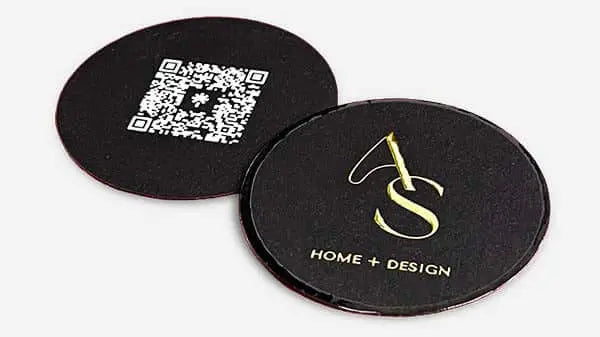


Why choose clear business cards for brand impact
Most business cards end up forgotten in desk drawers within days of networking events. Traditional paper cards, while functional, rarely create lasting impressions in competitive markets where differentiation matters. Clear business cards offer entrepreneurs and creative professionals a tangible way to stand out through premium materials and striking visual effects. These transparent cards combine durability with sophistication, transforming a standard networking tool into a memorable brand statement. This guide explores why clear cards enhance brand identity, their practical advantages, design considerations, and how to determine if they align with your professional goals.
Table of Contents
- Key takeaways
- What makes clear business cards unique
- Durability advantages over traditional paper cards
- Design considerations: one-sided vs double-sided and premium finishes
- Who should choose clear business cards and when to avoid them
- Explore custom clear business card options
- FAQ
Key Takeaways
| Point | Details |
|---|---|
| Brand differentiation through transparency | Clear cards create a memorable visual and tactile impression that helps brands stand out from standard paper cards. |
| Durability advantage over paper | Clear plastic options resist water and wear, keeping cards looking professional longer. |
| Creative tech fit | The format aligns with design sensibilities and innovation values in creative and technology driven industries. |
| Material options influence cost | Transparent PVC polycarbonate and frosted finishes affect price and perceived luxury. |
What makes clear business cards unique
Clear business cards, made from transparent PVC or polycarbonate, create a unique floating visual effect that immediately differentiates your brand from competitors using standard paper stock. The see-through quality allows backgrounds to show through your design, creating dynamic interactions between your card and whatever surface it rests on. This material choice signals innovation and forward-thinking brand values before recipients even read your contact information.
The tactile experience reinforces premium positioning in ways paper cannot match. When someone receives a clear card, the weight and texture communicate quality and intentionality. This physical distinction aligns perfectly with 2026 luxury branding trends emphasizing tangible differentiation in increasingly digital business environments. Recipients often keep clear cards longer simply because they feel special and different from typical paper alternatives.
Material properties that enhance brand perception:
- Transparent PVC offers flexibility and cost efficiency for most applications
- Polycarbonate provides maximum durability for high-end positioning
- Frosted finishes create subtle elegance while maintaining transparency
- Crystal-clear options maximize visual impact and modern aesthetics
Pro Tip: Transparent business cards work particularly well for luxury brands in photography, design, and tech sectors where visual innovation directly reflects service quality and creative capabilities.
Creative professionals and entrepreneurs in competitive markets benefit most from clear cards because the format itself demonstrates willingness to invest in differentiation. A graphic designer handing out a transparent card with minimal design elements showcases restraint and confidence. A tech startup founder using clear cards with metallic accents signals premium positioning without saying a word.
Clear business cards transform networking from transactional exchange into memorable brand experience, creating conversation starters that extend beyond initial introductions.
The visual novelty creates natural conversation opportunities during networking events. Recipients often comment on the card itself, giving you additional time to make impressions and discuss your work. This extended engagement window proves particularly valuable at crowded events where attention spans run short. Clear business cards position luxury brands through immediate visual and tactile differentiation that paper cannot replicate.
Durability advantages over traditional paper cards
Clear plastic business cards offer superior durability compared to paper alternatives, maintaining professional appearance through conditions that quickly damage traditional cards. Waterproof properties mean spilled coffee or unexpected rain won’t destroy your networking investment. Scratch resistance ensures cards remain pristine even when stored alongside keys, coins, or other items in pockets and bags.
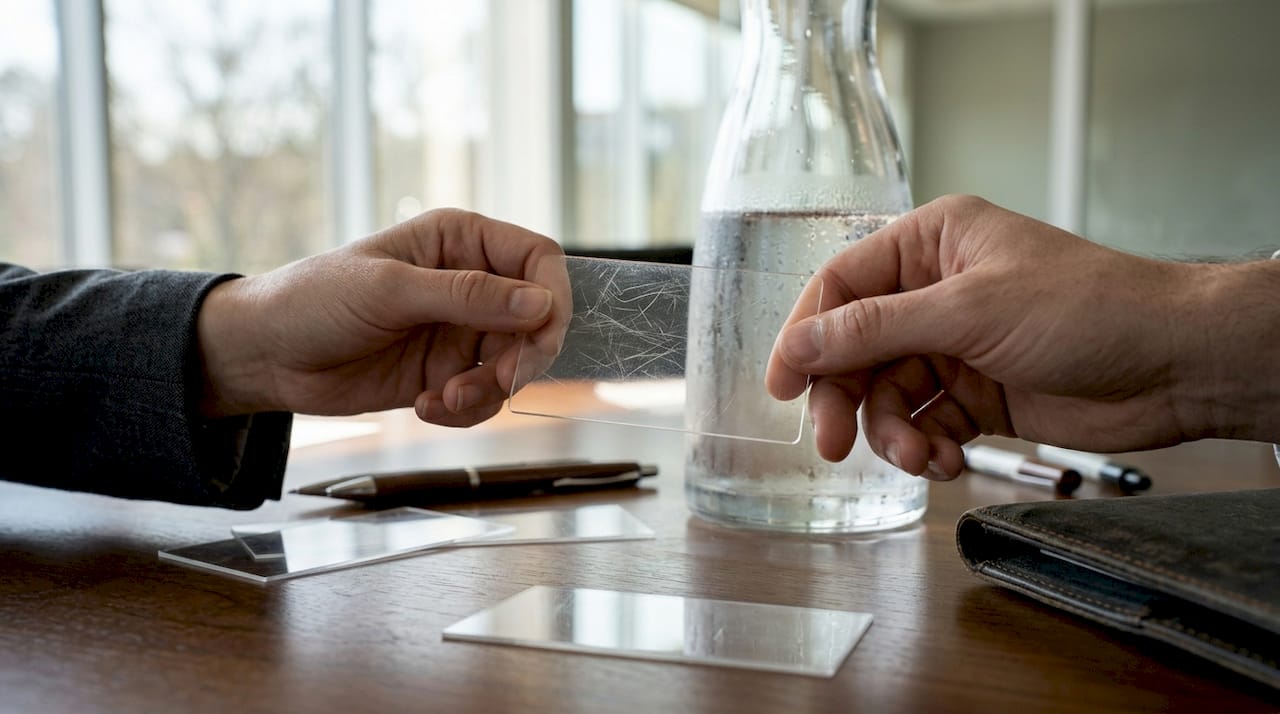
Paper cards bend, tear, and fade with minimal handling and exposure to environmental factors. Clear cards resist these common damage patterns, ensuring your brand presentation remains consistent regardless of how recipients store or handle them. This longevity translates to extended brand visibility since cards stay usable and attractive for months or years rather than weeks.
Practical durability benefits for busy professionals:
- Waterproof construction protects against liquid damage and humidity
- Scratch-resistant surfaces maintain clarity and legibility over time
- Flexibility prevents cracking while resisting permanent bending
- UV stability ensures printed elements don’t fade with light exposure
The investment in durable materials signals professionalism and attention to quality that reflects on your broader business practices. When someone pulls out your clear card months after an initial meeting and finds it still looks new, that reinforces positive brand associations. Conversely, discovering a tattered paper card creates subconscious negative impressions about reliability and quality standards.
Pro Tip: Store clear business cards in protective cases or cardholders to maximize lifespan and prevent surface scratches during transport, especially when carrying multiple cards or traveling frequently to networking events.
Benefits of clear plastic business cards for luxury brands extend beyond mere durability to encompass strategic positioning advantages. The resilience of these materials communicates permanence and stability, qualities that entrepreneurs and creative professionals want associated with their personal brands. Recipients subconsciously connect card quality with service quality, making durability a subtle but powerful branding element.
Businesses that invest in luxury business cards recognize networking materials as long-term brand assets rather than disposable items. Clear cards justify higher initial costs through extended useful life and superior brand impression creation. A paper card costing 50 cents that gets thrown away after one week delivers less value than a clear card costing two dollars that remains in rotation for months while generating positive brand associations.
Design considerations: one-sided vs double-sided and premium finishes
Printing methodologies for clear business cards include one-sided designs that preserve transparency and floating visual effects, or double-sided printing requiring solid backgrounds to prevent visual confusion from overlapping layers. One-sided printing typically reduces costs by 10-20% while maximizing the unique transparent aesthetic that differentiates clear cards from paper alternatives. This approach works best for minimalist designs emphasizing elegance and restraint.
Double-sided printing demands careful design planning to avoid transparency issues where front and back elements create visual clutter when viewed together. Designers typically add solid white or colored backing layers to specific areas, creating defined spaces for text and graphics while maintaining some transparent elements. This complexity increases production costs but allows more information density for professionals needing extensive contact details or multiple service offerings displayed.
| Design Approach | Visual Effect | Cost Impact | Best For |
|---|---|---|---|
| One-sided printing | Maximum transparency and floating effect | 10-20% cost savings | Minimalist brands, luxury positioning |
| Double-sided with backing | Defined information areas, reduced transparency | Higher production costs | Information-dense needs, traditional layouts |
| Selective transparency | Strategic clear areas with printed sections | Moderate cost increase | Balanced approach, creative flexibility |
Premium finishing techniques elevate clear business cards from distinctive to exceptional through tactile and visual enhancements. Real foil stamping adds metallic accents that catch light and create luxury associations, particularly effective in gold, silver, or rose gold for high-end positioning. Embossing creates raised elements that recipients can feel, adding another sensory dimension to brand experience and reinforcing quality perceptions.
Premium finishing options that enhance clear cards:
- Foil stamping in metallic colors for luxury visual impact
- Embossing or debossing for tactile dimension and sophistication
- Spot UV coating on specific elements for contrast and depth
- Edge coloring or painting for subtle distinctive details
Pro Tip: Creative business cards with printing and foiling techniques should align with overall brand identity and industry expectations, using restraint to avoid overwhelming the inherent elegance of transparent materials.
Finishing choices directly impact perceived value and brand positioning. A clear card with subtle foil accents communicates refined taste and attention to detail. Excessive finishing elements can appear trying too hard or inconsistent with the modern minimalism that makes clear cards appealing. Strategic use of one or two premium techniques typically creates stronger impressions than combining multiple effects that compete for attention.
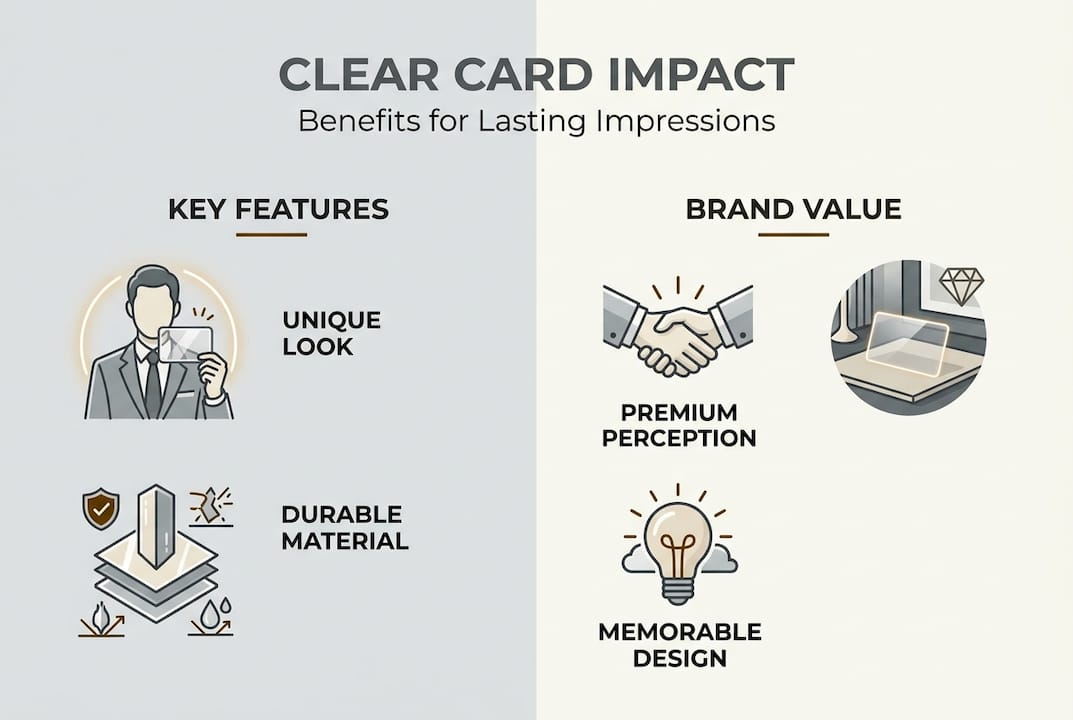
Higher costs for premium finishes reflect investment in brand sophistication but deliver tangible differentiation value. When competing for high-value clients or positioning in luxury markets, the incremental cost of foil stamping or embossing becomes negligible compared to the enhanced brand perception these techniques create. Entrepreneurs should evaluate finishing options based on target audience expectations and competitive positioning rather than purely on cost considerations.
Who should choose clear business cards and when to avoid them
Clear plastic business cards prove ideal for creative industries, tech startups, and luxury sectors including beauty, fashion, and design where innovation and visual distinction directly support brand positioning. Entrepreneurs in these fields benefit from materials that physically demonstrate creative thinking and willingness to differentiate from conventional approaches. The transparent format aligns naturally with brands emphasizing modernity, innovation, and premium quality.
Competitive markets reward differentiation, making clear cards strategic investments for professionals seeking memorable first impressions. A photographer using clear cards with minimal design showcases visual confidence. A tech consultant distributing transparent cards with circuit board graphics reinforces technical expertise through format choice itself. Business cards remain preferred by beauty industry professionals who understand physical branding materials create stronger connections than purely digital alternatives.
Industries where clear business cards enhance positioning:
- Creative services including photography, design, and marketing
- Technology startups and innovative software companies
- Luxury beauty, fashion, and lifestyle brands
- Architecture and interior design professionals
- Entertainment and media production companies
Conservative or highly traditional industries including finance, law, and corporate consulting may find clear cards too unconventional for client expectations. These sectors often prioritize tradition and stability over innovation in professional presentation. A clear business card at a corporate law firm might signal poor judgment about professional norms rather than creative confidence. Understanding industry culture and client expectations proves essential before choosing transparent materials.
Brand personality assessment helps determine clear card suitability beyond industry considerations. A financial advisor targeting young entrepreneurs might successfully use clear cards to differentiate from traditional competitors. A graphic designer working primarily with conservative corporate clients might choose premium paper instead to align with client comfort levels. The decision should reflect both your brand identity and target audience preferences.
Steps to assess if clear business cards fit your brand:
- Evaluate your industry’s typical networking materials and professional norms
- Consider whether your target clients value innovation or tradition more highly
- Assess if transparent materials align with your existing brand visual identity
- Determine if premium positioning justifies higher per-card investment costs
- Test reactions by showing clear card samples to trusted clients or colleagues
Entrepreneurs should also consider practical distribution contexts when deciding on clear cards. Formal corporate events with conservative audiences might warrant traditional premium paper cards instead. Creative industry meetups and innovation-focused conferences provide ideal environments for transparent cards to generate positive attention and conversation. Carrying both options allows strategic selection based on specific networking situations and audience expectations.
Explore custom clear business card options
Ready to elevate your brand identity with transparent materials that create lasting impressions? Clear business cards from BcardsCreation combine premium PVC or polycarbonate materials with expert design guidance to develop networking tools that reflect your brand sophistication. Every project receives individual attention without templates or automated editors, ensuring your cards achieve the distinctive quality that sets you apart in competitive markets.
Custom business card design services help translate your brand identity into effective transparent card layouts that balance information clarity with visual impact. Professional designers understand how to leverage clear materials for maximum effect while avoiding common pitfalls like visual confusion from overlapping elements. Premium finishing options including creative printing and foiling techniques add tactile dimension and luxury positioning that transforms standard networking into memorable brand experiences.
FAQ
How durable are clear business cards compared to paper?
Clear business cards are waterproof, scratch-resistant, and less prone to bending or fading than paper alternatives. They maintain professional appearance through conditions that quickly damage traditional cards, including moisture exposure, rough handling, and extended storage periods. The plastic materials resist common wear patterns that make paper cards look worn or unprofessional after minimal use.
Can I print on both sides of a clear business card?
Double-sided printing on clear cards requires solid backgrounds and careful design to prevent overlapping layers from creating visual confusion when viewing through transparent material. One-sided printing preserves the distinctive floating effect and clarity that makes transparent cards memorable while reducing production costs. Most designers recommend one-sided approaches for luxury positioning and visual impact, reserving double-sided printing for situations requiring extensive information display.
Explore clear business card printing options to understand design considerations for both approaches and determine which best serves your brand communication needs.
Are clear business cards suitable for all industries?
Clear cards work best for creative, tech, and luxury industries where innovation and visual distinction support brand positioning and client expectations. They prove less suitable for conservative sectors including traditional finance, law, and corporate consulting where unconventional materials might signal poor judgment about professional norms. Industry culture, target audience preferences, and brand personality should guide material selection more than general trends or aesthetic preferences alone.
What premium finishes work best on clear business cards?
Foil stamping in metallic colors creates luxury visual impact on transparent materials, particularly effective for logos and key design elements that benefit from light-catching properties. Embossing adds tactile dimension that reinforces quality perceptions through touch, while spot UV coating creates contrast and depth on specific areas. Edge coloring provides subtle distinctive details without overwhelming the inherent elegance of clear materials. Strategic use of one or two finishing techniques typically generates stronger impressions than combining multiple effects that compete for attention.


