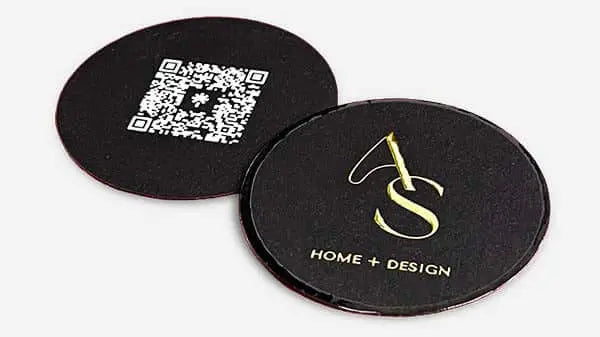


Mirror vs foil business cards 2026: 35% luxury boost
Luxury brand owners consistently struggle to determine whether mirror or foil finishes better communicate their brand values through business cards. Both finishing techniques deliver distinct visual and tactile experiences that shape first impressions differently. Understanding how each finish aligns with your brand identity, budget, and practical needs helps you make a strategic choice that amplifies perceived value and memorability.
Table of Contents
- How To Choose Between Mirror And Foil Finishes: Key Selection Criteria
- Mirror Finish Business Cards: Description, Strengths, And Best Use Cases
- Foil Finish Business Cards: Description, Key Strengths, And Ideal Situations
- Comparative Analysis: Mirror Vs Foil Finish Business Cards
- Situational Recommendations: Which Finish To Choose For Your Luxury Brand
- Elevate Your Brand With Our Custom Luxury Business Card Finishes
- Frequently Asked Questions
Key takeaways
| Point | Details |
|---|---|
| Mirror finish exclusivity | Creates glass-like reflective surfaces exclusively on metal substrates with tactile luxury impact. |
| Foil versatility | Offers wide color range and selective stamping options on paper at moderate premium pricing. |
| Cost differential | Foil adds 20–40% cost over standard cards while mirror metal cards cost up to 3× foil pricing. |
| Brand positioning match | Ultra-premium brands favor mirror for exclusivity while creative brands choose foil for design flexibility. |
| Durability advantage | Metal mirror cards resist bending better than foil paper cards for frequent handling scenarios. |
How to choose between mirror and foil finishes: key selection criteria
Your finish selection should address five strategic factors that determine how effectively your business cards communicate brand positioning. These criteria shape both immediate visual impact and long-term practical performance.
Start by evaluating visual impact aligned with your brand personality. Mirror finishes create bold, high-contrast reflections that command attention through dramatic light play. Foil delivers controlled metallic accents that add refinement without overwhelming your design elements.
Consider tactile experience and substrate requirements carefully. Mirror finishes require metal substrates like stainless steel, creating substantial weight and a polished glass-like feel. Foil works on premium paper stocks, maintaining traditional card flexibility while adding metallic texture through raised stamping.
Customization needs vary significantly between these techniques:
- Mirror finishes offer limited color variation tied to metal substrate choice
- Foil supports extensive color palettes including gold, silver, copper, rose gold, and holographic options
- Partial foil stamping allows selective emphasis on logos or text elements
- Mirror creates uniform reflective surfaces across entire card areas
Cost and production timelines impact project feasibility. Mirror metal cards involve specialized metalworking processes with longer lead times. Foil stamping integrates more readily into standard card production workflows at lower unit costs.
Durability requirements differ by usage intensity. Metal mirror cards withstand repeated handling without showing wear as quickly as paper-based cards. Foil stamped cards maintain their metallic sheen well but can show edge wear with aggressive handling over time.
Pro Tip: Request physical samples of both finishes before committing to full production runs. The tactile difference between mirror metal and foil paper significantly influences recipient perception in ways digital mockups cannot capture.
Mirror finish business cards: description, strengths, and best use cases
Mirror finish business cards feature highly reflective, polished metal surfaces that function like actual mirrors. These cards deliver an ultra-premium tactile experience exclusive to metal substrates including stainless steel, brass, and gold-plated options.
The defining characteristic of mirror finish tactile luxury impact comes from the glass-like surface quality. Mirror finishes produce tactile luxury impressions on metal cards unavailable in foil, creating an immediate sense of substantial value. Recipients instantly recognize the weight and cold metal touch as markers of exceptional quality.
Mirror cards excel in specific brand contexts:
- Ultra-premium positioning where price sensitivity matters less than exclusivity signals
- Personal branding for executives, luxury consultants, and high-end service providers
- Industries emphasizing craftsmanship like architecture, jewelry design, and boutique real estate
- Brands targeting collectors who appreciate business cards as keepsake objects
Customization options remain limited compared to foil alternatives. Color variation depends on substrate metal choice rather than applied finishes. Most mirror cards feature etched or engraved elements that create contrast through matte areas against the reflective surface.
The mirror cards durability advantage becomes apparent with frequent handling. Metal substrates resist bending and maintain their reflective quality through repeated exchanges. However, fingerprints show more visibly on mirror surfaces, requiring occasional cleaning to maintain pristine appearance.

Pro Tip: Mirror cards work best when your brand identity emphasizes bold minimalism and modern luxury. The reflective surface itself becomes the primary design element, requiring restraint with additional decorative features to avoid visual competition.
Foil finish business cards: description, key strengths, and ideal situations
Foil finish business cards use hot stamping process technology where foil stamping uses heat and pressure to apply metallic or pigmented foils, bonding thin metallic or pigmented layers to paper substrates. This technique creates raised, reflective elements that add dimension and luxury perception to traditional card formats.
The primary advantage of foil stamping process lies in its customization flexibility. Designers can apply foil selectively to specific design elements rather than treating entire surfaces. This precision allows logos, names, or decorative borders to receive metallic emphasis while surrounding areas maintain matte or textured finishes.
Color variety distinguishes foil from mirror alternatives. Available options include:
- Classic metallics like gold, silver, copper, and rose gold
- Pigmented foils in colors like red, blue, green, and black
- Holographic and prismatic effects that shift with viewing angles
- Matte metallic finishes that reduce reflectivity while maintaining metallic appearance
The partial foil stamping usage statistics reveal widespread adoption, as over 65% of luxury business cards use partial foil stamping to emphasize logos or texts. This selective application maintains design balance while adding strategic luxury cues.
Foil cards suit brands seeking foil stamping luxury benefits without metal substrate costs. Beauty professionals, creative agencies, boutique consultants, and fashion brands commonly choose foil for its ability to communicate elevated positioning while maintaining design versatility. The technique works particularly well when brand identity includes vibrant colors or requires frequent design updates, since paper stock changes cost less than metal substrate alternatives.
Production timelines for foil cards typically match or slightly exceed standard card printing, making them accessible for projects with moderate urgency. The cost premium remains reasonable compared to mirror alternatives, positioning foil as an attainable luxury finish for growing brands.
Comparative analysis: mirror vs foil finish business cards
Direct comparison reveals how these finishing techniques serve different strategic priorities. Understanding their performance across key evaluation criteria helps you match finish selection to brand objectives.
| Criterion | Mirror Finish | Foil Finish |
|---|---|---|
| Substrate | Metal only (steel, brass, gold) | Premium paper stocks |
| Visual character | Full-surface glass-like reflection | Selective metallic accents |
| Tactile feel | Cold, substantial, glass-smooth | Raised texture on paper base |
| Color options | Limited to metal substrate | Extensive metallic and pigmented |
| Customization | Etching/engraving contrast | Partial stamping flexibility |
| Durability | Superior bend resistance | Good with care, shows edge wear |
| Cost premium | 200-300% over standard cards | 20-40% over standard cards |
| Production time | Longer due to metalworking | Standard to slightly extended |
| Brand fit | Ultra-premium exclusivity | Creative luxury flexibility |
The business card finish costs comparison data shows foil cards cost 20-40% more than standard matte, while metal mirror cards cost up to 3x more. This pricing gap significantly influences budget feasibility for different brand stages.
Visual and tactile differences shape recipient perception immediately. Mirror effect business cards create dramatic first impressions through bold reflection and cold metal touch. Recipients recognize the physical substance as a luxury signal before reading card content. Foil finish business cards deliver refined elegance through controlled metallic accents that complement rather than dominate design elements.
Practical considerations affect long-term satisfaction:
- Fingerprints show prominently on mirror surfaces, requiring periodic cleaning
- Foil edges can show wear with aggressive wallet storage over extended periods
- Mirror cards maintain appearance consistency better through repeated handling
- Foil allows design updates without changing entire production methodology
Brand personality alignment determines strategic fit. Mirror finishes communicate bold confidence, modern minimalism, and uncompromising quality standards. They suit brands comfortable making strong statements through restraint and material quality. Foil finishes communicate creative sophistication, attention to detail, and design consciousness. They work for brands emphasizing artistry, personalization, and approachable luxury.
Situational recommendations: which finish to choose for your luxury brand
Your optimal finish choice depends on specific brand context, budget reality, and strategic objectives. These decision frameworks help you navigate the selection process systematically.
-
Choose mirror finish when your brand prioritizes ultimate exclusivity and budget constraints do not limit material selection. Ultra-premium consultants, luxury real estate specialists, and personal brands commanding top-tier positioning benefit most from mirror’s uncompromising luxury signals.
-
Select foil finish when you need design flexibility and want strong luxury perception at moderate cost premiums. Creative professionals, beauty industry specialists, boutique agencies, and emerging luxury brands gain maximum value from foil’s versatility and reasonable pricing.
-
Consider usage intensity when evaluating durability needs. Frequent networking contexts where cards experience repeated handling favor mirror metal’s superior bend resistance and scratch resistance. Limited distribution scenarios where each card functions as a curated introduction allow foil paper cards without durability concerns.
-
Match finish to brand identity personality. Classic, minimal, bold brands align naturally with mirror’s dramatic simplicity. Vibrant, artistic, detail-oriented brands express themselves better through foil’s color range and selective emphasis capabilities.
-
Account for production timeline requirements. Projects with tight deadlines favor foil’s integration with standard card workflows. Mirror cards require longer lead times for specialized metalworking processes.
-
Evaluate recipient context and industry norms. Highly traditional professional services may perceive mirror as too bold, while creative industries expect visual innovation. Understanding your audience’s luxury expectations prevents misalignment between your card and their perception framework.
Pro Tip: When budget allows, consider producing limited quantities of both finishes for testing. Distribute mirror cards to your highest-value prospects and foil cards for broader networking. Track which finish generates more meaningful follow-up conversations to inform future production decisions based on real-world performance data.
New brands building luxury positioning gain credibility efficiently through strategic business card finish decision tips that balance impact and investment. Foil provides accessible entry into luxury card territory while preserving budget for other brand development priorities. Established brands reinforcing ultra-premium positioning signal commitment through mirror’s uncompromising material quality and substantial investment.
Elevate your brand with our custom luxury business card finishes
Your business card finish selection deserves the same strategic attention you apply to brand positioning and visual identity development. We specialize in translating brand essence into tangible luxury through custom business card design services that consider finish selection as integral to overall impact.
Our studio offers both mirror metal and creative foil business cards with full customization to match your specific brand requirements. We guide material selection, finish choice, and design refinement through consultative processes that ensure your cards communicate intended positioning accurately. Every project receives individual attention without template limitations, combining design expertise with material knowledge and controlled small-batch production.
Explore our complete business cards collection to see finish options and design possibilities. Start your custom project today to create business cards that function as strategic brand assets rather than disposable contact information.
Frequently asked questions
Can mirror finish be applied on paper substrates?
No, authentic mirror finishes require metal substrates like stainless steel or brass to achieve the reflective glass-like surface quality. Paper-based alternatives use metallic foils or coatings that create shine but lack the true mirror reflection and substantial tactile feel that defines mirror finish cards.
How do foil finishes affect production turnaround times?
Foil stamping typically adds one to three business days to standard card production timelines depending on design complexity and color count. The hot stamping process requires custom die creation and careful registration, but most projects complete within standard timeframes when planned appropriately.
Which finish is more durable for frequent business card exchanges?
Mirror finish metal cards offer superior durability due to their rigid substrate and scratch-resistant surfaces. They withstand repeated handling, wallet storage, and environmental exposure better than foil paper cards. However, both finishes maintain appearance well with normal professional use.
Is partial foil stamping available on all foil colors?
Yes, partial stamping works with all foil color options including metallics, pigmented colors, and holographic varieties. This technique allows you to apply different foil colors to separate design elements on the same card, creating multi-colored metallic effects through precise die registration.
What budget should I prepare for mirror vs foil finishes?
Foil finish cards typically cost 20-40% more than standard premium cards, with prices varying by foil color and coverage area. Mirror finish metal cards cost approximately 200-300% more than standard cards due to metal substrates and specialized fabrication. Exact pricing depends on quantity, substrate choice, and design complexity.
Recommended
- Mirror Business Cards 2026: 35% Higher Luxury Brand Impact – BcardsCreation
- MIRROR EFFECT Business Cards | Thick Multilayered Mirror Paper | Debossing – BcardsCreation
- Foil Stamping: Elevating Luxury Beauty Branding – BcardsCreation
- MIRROR EFFECT Business Card Thick Multilayered | Metallic effect | Sil – BcardsCreation


