

Why use clear plastic cards to elevate your brand in 2026
Many business owners dismiss clear plastic cards as a fleeting trend or visual gimmick, but this misconception overlooks their strategic value for premium brands. In reality, these transparent cards offer unique advantages that paper and even frosted plastic simply cannot match. From unparalleled durability to sophisticated aesthetics that resonate with luxury sectors like beauty and fashion, clear plastic cards serve as powerful branding tools in 2026. This guide reveals why these cards excel at brand differentiation, explores essential printing considerations, and provides actionable design strategies to maximize their professional impact.
Table of Contents
- The Unique Advantages Of Clear Plastic Business Cards
- Printing Considerations For Clear Plastic Business Cards
- Comparison Of Clear Plastic Cards To Other Business Card Materials
- Design And Branding Tips For Using Clear Plastic Business Cards Effectively
- Elevate Your Brand With Custom Clear Plastic Business Cards
- Frequently Asked Questions
Key takeaways
| Point | Details |
|---|---|
| Superior durability | Clear plastic cards resist water, bending, and wear far better than paper alternatives. |
| Modern luxury appeal | Transparency creates a sleek, contemporary look that aligns perfectly with premium brand identities. |
| Specialized printing needs | White ink backing is essential for double-sided designs to prevent color bleed-through. |
| Design flexibility | Clear cards enable unique layering effects and window designs impossible with traditional materials. |
| Strategic investment | Higher cost reflects enhanced perceived value and memorability in competitive luxury markets. |
The unique advantages of clear plastic business cards
Clear plastic cards deliver exceptional durability that paper simply cannot match. These cards withstand water exposure, resist bending and tearing, and maintain their pristine appearance through repeated handling. For professionals in beauty and fashion industries who frequently network at events where drinks and environmental factors pose risks, this resilience ensures their contact information remains intact and presentable.
The transparency itself creates a striking modern aesthetic that immediately signals innovation and sophistication. When someone receives a clear plastic card, the material choice alone communicates that your brand values quality and forward-thinking design. This visual impact proves especially powerful in luxury sectors where every touchpoint must reinforce premium positioning. Plastic business cards outperform paper alternatives in both durability and perceived quality, making them worth the investment for brands competing on prestige.
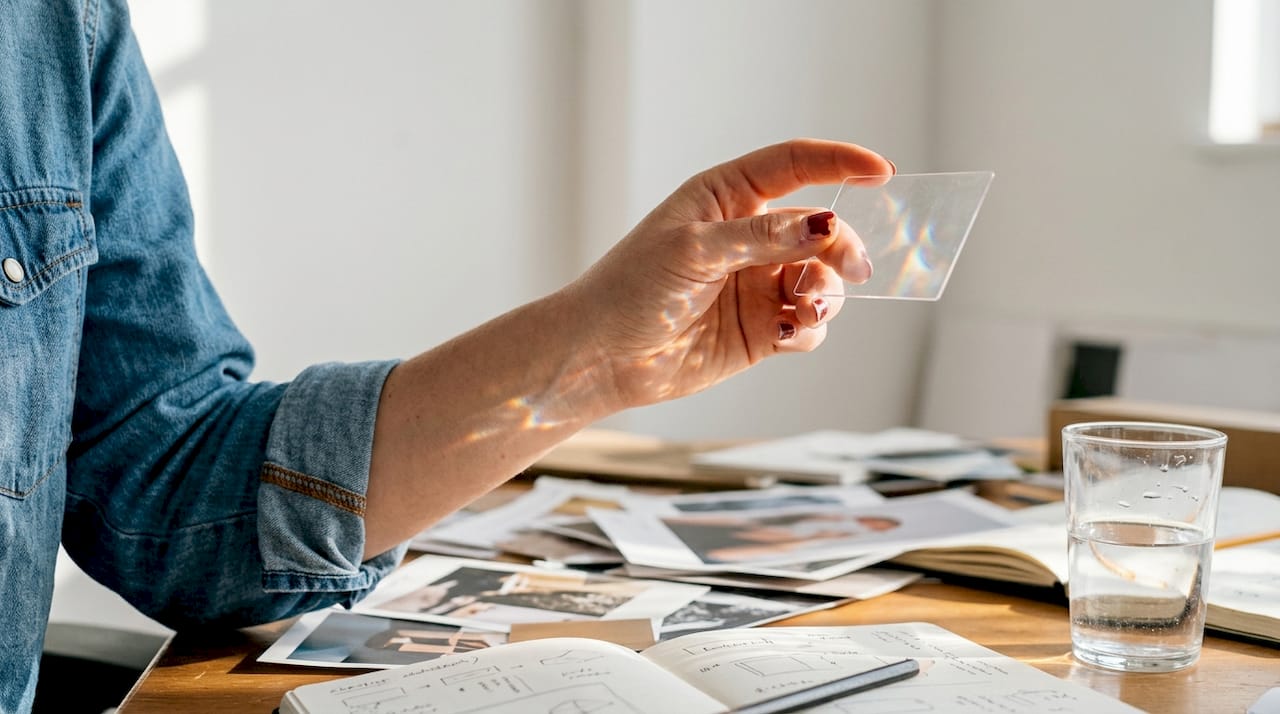
Compared to frosted plastic options, clear cards provide superior transparency and light-play effects that enhance visual drama. Frosted plastic offers translucency but lacks the crisp clarity that allows light to pass through completely, creating dynamic viewing experiences as cards catch light from different angles. This optical quality enables design possibilities like layered text that appears to float or selective transparency that reveals underlying surfaces.
The cost differential between clear plastic and paper cards reflects genuine value rather than mere markup. While paper cards cost pennies per unit, clear plastic cards command premium prices that mirror the luxury impression they create. For brands where business cards function as miniature brand ambassadors rather than disposable contact vehicles, this investment directly supports positioning strategy. Recipients perceive plastic cards as more valuable, leading to higher retention rates and stronger brand recall.
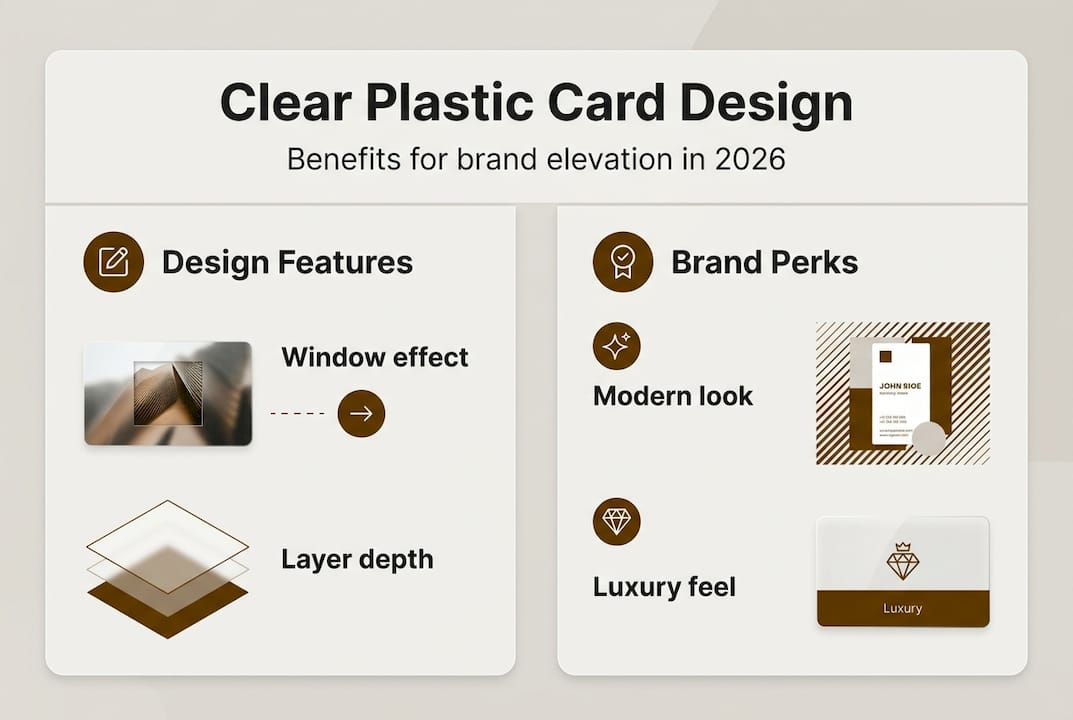
Clear plastic enables innovative design approaches impossible with paper substrates. You can create window effects that frame specific information, layer multiple visual elements at different depths, or use negative space as a deliberate design element. These techniques transform business cards from simple information carriers into memorable brand artifacts that recipients actually want to keep.
Pro Tip: Select the highest quality clear plastic material available and work with experienced print providers to avoid cloudiness or imperfections that undermine the luxury positioning you’re investing to create.
Understanding the benefits of clear plastic business cards for luxury brands helps you leverage their full strategic potential beyond surface-level aesthetics.
Printing considerations for clear plastic business cards
Printing on transparent plastic presents unique technical challenges that require specialized knowledge. The primary issue involves color visibility on clear surfaces. Without an opaque backing, standard printing inks appear washed out or allow underlying surfaces to show through, compromising legibility and visual impact. This fundamental limitation shapes every decision in the clear plastic printing process.
White ink serves as the critical foundation for successful clear plastic card printing. When printing on transparent material, a layer of white ink creates an opaque base that allows subsequent color layers to display properly. Without this white backing, colors lack vibrancy and text becomes difficult to read against varied backgrounds. Professional printers apply white ink strategically, either as a full coverage layer or selectively under specific design elements that require opacity.
Double-sided printing on clear plastic cards introduces significant complexity. Printing on both sides requires careful white ink application to prevent colors from bleeding through or interfering with the opposite side’s design. This layering process demands precise registration and specialized equipment, driving up production costs and lead times. Many print providers struggle with these technical demands, resulting in subpar quality that undermines your brand investment.
Single-sided printing with selective transparency often delivers superior results at lower cost. By printing on one side only and leaving portions of the card completely clear, you maximize the material’s unique visual properties while avoiding the technical complications of double-sided work. This approach allows strategic use of transparency as a design element rather than treating it as a limitation to overcome.
Specialized printing equipment and ink formulations designed specifically for plastic substrates ensure durability and color accuracy. Standard paper printing techniques simply don’t transfer to plastic materials. Inks must bond properly with the non-porous plastic surface and resist scratching or fading over time. UV-cured inks typically perform best on plastic, providing immediate adhesion and exceptional longevity.
Pro Tip: Before committing to a full print run, request physical samples from your printer to verify color accuracy, white ink coverage, and overall quality on the actual clear plastic material you’ll use for production.
Exploring how clear plastic business cards work in detail helps you make informed decisions about printing techniques and design approaches.
Comparison of clear plastic cards to other business card materials
Clear plastic cards occupy a distinct position in the business card material hierarchy, offering advantages that justify their premium pricing for specific brand contexts. Understanding how they compare to alternatives helps you determine whether they align with your positioning strategy and budget constraints.
Transparency represents the defining characteristic that separates clear plastic from all other options. No other material provides the same level of optical clarity and light transmission. This unique property enables design effects impossible with paper, frosted plastic, or any opaque material. When your brand identity emphasizes modernity, innovation, or transparency itself as a value, clear plastic cards provide literal and metaphorical alignment.
Frosted plastic cards offer a middle ground between clear and opaque materials. They provide some translucency and a sophisticated matte texture, but lack the dramatic transparency of clear plastic. Clear plastic specifically outperforms frosted for brands seeking maximum visual impact and contemporary aesthetics. Frosted works well when you want plastic durability without full transparency, particularly if your design requires more extensive color coverage.
Paper cards remain the most economical option and work perfectly well for many business contexts. They accept printing easily, offer countless finish options, and cost a fraction of plastic alternatives. However, paper inherently lacks the durability and premium perception that plastic delivers. For luxury brands where every touchpoint must reinforce high-end positioning, paper cards may inadvertently undermine your message regardless of design quality.
Water resistance and longevity heavily favor plastic over paper. Spilled drinks, humid environments, and general handling quickly degrade paper cards while plastic remains unaffected. This practical advantage matters especially for professionals who network in restaurant, bar, or outdoor event settings where environmental factors threaten card integrity.
The following comparison clarifies key attributes across materials:
| Material | Transparency | Durability | Cost Range | Best For |
|---|---|---|---|---|
| Clear Plastic | Complete | Excellent | Premium | Modern luxury brands, fashion, beauty |
| Frosted Plastic | Partial | Excellent | Moderate-High | Sophisticated look without full transparency |
| Premium Paper | None | Good | Low-Moderate | Traditional professional contexts |
| Standard Paper | None | Fair | Very Low | High-volume general business use |
Cost considerations extend beyond unit price to include perceived value and retention rates. Recipients treat plastic cards differently than paper ones, often keeping them longer and viewing them as more valuable. This behavioral difference translates to extended brand exposure and higher likelihood of future contact.
For brands in beauty, fashion, and other luxury sectors, clear business cards enhance brand perception by signaling quality and innovation through material choice alone.
Design and branding tips for using clear plastic business cards effectively
Effective clear plastic card design requires a fundamentally different approach than paper card design. The material’s transparency functions as both opportunity and constraint, demanding careful consideration of every visual element.
Minimalism serves clear plastic cards exceptionally well. The material itself makes a statement, so cluttered designs undermine rather than enhance impact. Embrace negative space and allow transparency to breathe. Simple layouts with strategic information placement create elegant sophistication that resonates with luxury positioning. Less truly becomes more when working with this distinctive material.
Strategic white ink application determines which elements appear opaque and which remain transparent. Use white ink selectively to highlight your logo, essential contact information, or key brand elements while leaving other areas completely clear. This selective opacity creates visual hierarchy and guides the viewer’s eye to priority information. Avoid covering the entire card with white ink, which negates the material’s primary advantage.
Layering text or graphic elements at different visual depths adds dimension impossible with flat materials. You can position elements to appear as if floating above or below the card surface, creating engaging visual effects as viewing angles change. This technique works particularly well for brand names or taglines that benefit from subtle emphasis without heavy-handed treatment.
Complex backgrounds and busy patterns reduce legibility on transparent media. What works beautifully on opaque white paper often fails on clear plastic because underlying surfaces compete for visual attention. Keep backgrounds minimal or eliminate them entirely, allowing the material’s inherent interest to provide visual appeal.
Metallic foils and spot UV coatings add luxury touches that complement plastic’s premium nature. Metallic elements catch light beautifully against transparent backgrounds, while spot UV creates subtle texture contrast that invites tactile exploration. These finishing techniques enhance perceived value without overwhelming the clean aesthetic that clear plastic demands.
Follow these design best practices for maximum impact:
- Limit color palette to two or three colors maximum for clean, sophisticated appearance.
- Choose sans-serif fonts for better legibility on transparent backgrounds.
- Ensure adequate contrast between text and any background elements.
- Test readability against various underlying surfaces since cards will be viewed in different contexts.
- Consider how the card appears when held up to light versus resting on surfaces.
- Use the card’s edges as natural framing elements rather than adding visual borders.
- Align design elements with the material’s modern aesthetic rather than fighting against it.
Pro Tip: Always request and carefully review physical printed proofs before approving full production runs to confirm that visual quality and tactile feel meet your brand standards and match your expectations.
Exploring luxury business card materials and design directions for 2026 provides broader context for positioning clear plastic cards within your overall brand strategy.
Understanding why investing in business card design creates lasting impact reinforces the strategic value of thoughtful material and design choices.
Elevate your brand with custom clear plastic business cards
Ready to transform your brand’s first impression with cards that command attention and convey premium quality? BcardsCreation specializes in creating fully custom clear business cards designed specifically for your brand’s unique positioning and aesthetic requirements.
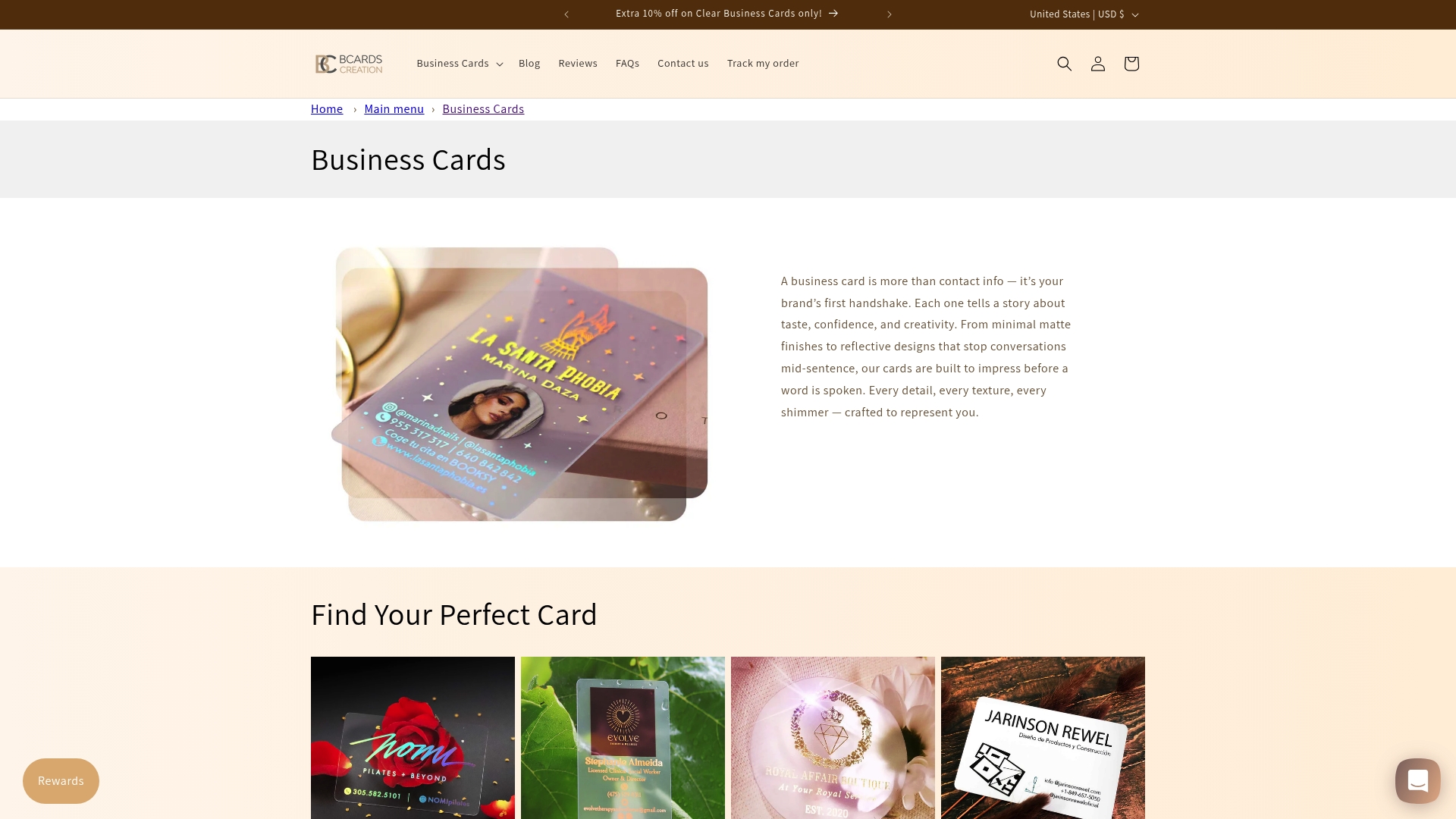
Our custom business card design services ensure your clear plastic cards perfectly reflect your brand values through expert consultation on layout, typography, and strategic use of transparency. We handle the technical complexities of printing on clear plastic while you focus on the strategic brand decisions that matter most. Explore our creative business cards with premium printing and foiling options to discover how specialty finishes can enhance your clear plastic cards even further. In competitive luxury markets, investing in distinctive business cards differentiates your brand and creates memorable touchpoints that drive lasting business relationships.
Frequently asked questions
What are the main benefits of clear plastic business cards?
Clear plastic cards deliver exceptional durability, resisting water damage, bending, and wear that quickly degrades paper alternatives. Their transparency creates a strikingly modern aesthetic that immediately signals innovation and premium quality, making them particularly effective for luxury brands in fashion and beauty sectors. The material enables unique design possibilities like layering effects and selective transparency that paper cannot replicate, transforming business cards into memorable brand artifacts rather than disposable contact information.
Can you print on both sides of a clear plastic card?
Double-sided printing on clear plastic is technically possible but requires white ink backing to prevent colors from bleeding through or appearing washed out. This layering process increases complexity and cost while demanding specialized equipment and expertise. Single-sided printing with strategic use of clear areas often delivers superior visual results at lower cost, maximizing the material’s unique transparency while avoiding technical complications.
How do clear plastic cards impact brand perception in luxury industries?
Clear plastic cards immediately communicate modernity, sophistication, and exclusivity through material choice alone. In luxury sectors like beauty and fashion where every brand touchpoint must reinforce premium positioning, these cards signal that quality and innovation matter to your business. The transparency creates visual interest that makes cards memorable and worth keeping, while the material’s durability ensures your brand representation remains pristine through repeated handling. Recipients perceive plastic cards as more valuable than paper, leading to higher retention rates and stronger brand recall.
What are design tips for maximizing the effectiveness of clear plastic cards?
Embrace minimalism and strategic white ink placement to highlight essential information while allowing transparency to create visual interest. Avoid cluttered layouts or complex backgrounds that reduce legibility on transparent media. Use selective opacity to create hierarchy, limit your color palette to two or three colors maximum, and choose clean sans-serif fonts for optimal readability. Test designs against various backgrounds since cards will be viewed in different contexts, and consider adding metallic foils or spot UV for subtle luxury touches that complement the material’s premium nature without overwhelming its inherent elegance.


