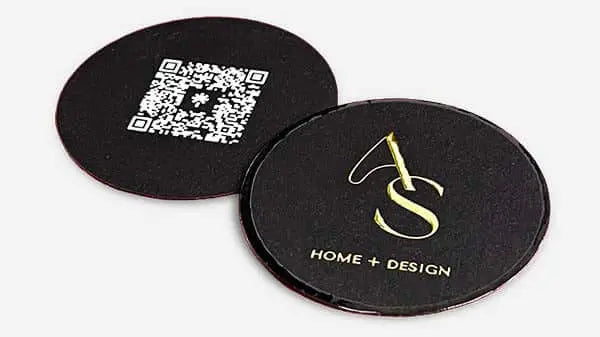


Creative fonts for business cards: boost your brand
Choosing the right font for your business card can feel overwhelming when you’re trying to balance creativity with professionalism. Your font choice directly impacts how prospects perceive your brand, influencing trust and memorability in those critical first impressions. Font psychology plays a crucial role in professional business card design, making selection both strategic and creative. This guide walks you through essential criteria, explores top font styles for 2026, and provides practical pairing strategies to help you create business cards that genuinely stand out while maintaining clarity and brand alignment.
Table of Contents
- Key Criteria For Choosing Creative Fonts For Business Cards
- Top Creative Font Styles For Business Cards In 2026
- Comparing Popular Creative Fonts For Business Cards
- Best Font Pairings And Practical Tips For Business Card Design
- Discover Custom Business Card Designs With Creative Fonts
- FAQ
Key takeaways
| Point | Details |
|---|---|
| Font selection criteria | Readability, brand alignment, uniqueness, and printing compatibility determine effective font choices. |
| Four main font categories | Serif, sans-serif, script, and display fonts each communicate distinct brand personalities and professional tones. |
| Strategic font pairing | Combining two complementary fonts creates visual hierarchy without cluttering your card design. |
| Material considerations | Your card’s printing method and material directly affect how fonts appear and perform. |
| Testing is essential | Print mock-ups reveal readability issues and ensure your creative font choices work at actual card size. |
Key criteria for choosing creative fonts for business cards
Selecting fonts requires balancing creativity with practical design principles that ensure your card functions effectively. Readability stands as the most critical factor because even the most beautiful font fails if recipients can’t quickly scan your contact information. Avoid overly decorative typefaces with elaborate flourishes that sacrifice legibility, especially at smaller point sizes common on business cards.
Your font must authentically reflect your brand personality and align with industry expectations. A corporate attorney benefits from traditional serif fonts that signal reliability, while a graphic designer can embrace experimental display fonts that showcase creative expertise. Consider how your font choice positions you within your competitive landscape and whether it reinforces or contradicts your brand messaging.
Uniqueness helps differentiate your card in crowded networking environments, but novelty alone doesn’t guarantee success. The goal is memorable distinction that enhances professionalism rather than gimmicky fonts that undermine credibility. Strike a balance between standing out and maintaining the polish expected in your industry.
Printing considerations significantly impact font performance across different materials and production methods. Thin font weights may disappear on textured papers, while intricate serifs can blur during certain printing processes. Specialty finishes like foiling or embossing interact differently with various typeface styles, requiring careful selection to ensure your fonts translate beautifully from screen to physical card.
Pro Tip: Print test samples of your font choices at actual business card size before committing to a full print run. What looks perfect on screen often reveals readability issues when reduced to 3.5 by 2 inches.
Combining font styles strategically creates visual hierarchy that guides the eye through your card’s information architecture. Pairing a bold sans-serif for your name with a lighter serif for contact details establishes clear priority while adding sophisticated contrast. Limit yourself to two complementary fonts maximum to maintain cohesion and prevent visual chaos that confuses rather than clarifies.
Top creative font styles for business cards in 2026
Understanding the four main font categories helps you match typeface personality with your brand identity and target audience expectations. Each style communicates distinct attributes that either reinforce or conflict with your professional positioning.
Serif fonts feature small decorative strokes at the ends of letters, creating a traditional and established appearance. These typefaces evoke reliability, sophistication, and timeless elegance that resonates particularly well with professional services, legal practices, financial advisors, and established brands. Classic serif options like Garamond, Baskerville, and Didot bring refined authority to business cards while maintaining excellent readability at small sizes.

Sans-serif fonts eliminate decorative strokes for clean, straightforward letterforms that feel modern and approachable. Different font styles communicate distinct brand personas on business cards, with sans-serif choices projecting innovation and accessibility. Tech startups, creative agencies, consultants, and contemporary brands favor fonts like Futura, Helvetica, Proxima Nova, and Montserrat for their minimalist aesthetic and crisp clarity across digital and print applications.
Script fonts mimic handwriting or calligraphy, adding personal warmth and creative flair to business cards. These typefaces work beautifully for photographers, wedding planners, boutique owners, and creative professionals who want to emphasize artistic sensibility and personal connection. However, script fonts demand careful selection because ornate variations sacrifice legibility. Choose simplified script styles like Brush Script or casual handwriting fonts that remain clear at business card dimensions.
Display fonts make bold visual statements with distinctive character designs that demand attention and express strong personality. Brands seeking maximum differentiation and memorable impact use display typefaces like Bebas Neue, Playfair Display, or custom lettering. These fonts work best for headlines or names rather than body text, requiring thoughtful pairing with simpler fonts for contact information. Display fonts suit creative industries, entertainment, hospitality, and any brand prioritizing visual impact over conservative professionalism.
Comparing popular creative fonts for business cards
Evaluating specific font options side by side reveals how different typefaces perform across key selection criteria. This comparison helps you assess which fonts best serve your brand identity while maintaining the practical functionality essential for business cards.
| Font Name | Style Category | Readability Score | Best Brand Fit | Uniqueness Level |
|---|---|---|---|---|
| Garamond | Serif | Excellent | Professional services, legal, finance | Moderate |
| Futura | Sans-serif | Excellent | Tech, startups, modern brands | Moderate |
| Brush Script | Script | Good | Creative professionals, personal brands | High |
| Bebas Neue | Display | Good | Bold brands, entertainment, hospitality | Very High |
| Helvetica | Sans-serif | Excellent | Corporate, versatile across industries | Low |
| Didot | Serif | Very Good | Luxury, fashion, high-end services | High |
| Proxima Nova | Sans-serif | Excellent | Contemporary businesses, consultants | Moderate |
| Baskerville | Serif | Excellent | Traditional professions, established firms | Moderate |
Readability at small sizes separates functional fonts from problematic choices. Garamond, Futura, Helvetica, and Proxima Nova maintain clarity even at 8-point sizes, making them reliable for contact information and secondary text. Script and display fonts require larger point sizes to remain legible, restricting their use primarily to names or headlines.
Brand personality alignment determines whether a font reinforces or contradicts your positioning. Serif fonts like Didot communicate luxury and refinement, perfect for premium service providers but potentially stuffy for casual creative businesses. Sans-serif options offer versatility, with geometric fonts like Futura feeling more distinctive than ubiquitous Helvetica.
Pro Tip: Effective font combinations significantly improve business card impact and readability by creating contrast between primary and secondary information.
Uniqueness helps your card stand out in networking situations where recipients collect dozens of cards. Bebas Neue and Brush Script offer high distinctiveness but require careful application to avoid appearing unprofessional. Moderate uniqueness fonts like Garamond or Proxima Nova provide subtle differentiation without sacrificing polish.
Font pairing strategies combine complementary typefaces to create visual interest and hierarchy. Pair a bold sans-serif header like Futura with elegant serif body text like Garamond for sophisticated contrast. Alternatively, combine geometric sans-serif Bebas Neue with clean Helvetica for modern impact. Avoid pairing two serif fonts or two script fonts, which creates visual confusion rather than helpful distinction.
Printing considerations affect how fonts translate from digital design to physical cards. Thin font weights and delicate serifs may disappear or blur on textured papers or with certain printing methods. Display fonts with intricate details require high-quality printing to maintain their distinctive character. Test your font choices with your intended card material and printing technique before finalizing designs.
Best font pairings and practical tips for business card design
Strategic font pairing elevates business card design by establishing clear information hierarchy while adding visual sophistication. Follow these proven strategies to combine typefaces effectively without creating cluttered or confusing layouts.
-
Establish contrast through font weight and style. Pair a bold sans-serif for your name with a lighter serif for contact details, creating instant visual hierarchy that guides the eye naturally through your card’s information. This weight contrast ensures your primary identifier stands out while supporting details remain accessible but secondary.
-
Limit combinations to two complementary fonts maximum. Using three or more typefaces creates visual chaos that undermines professionalism and confuses recipients. Two carefully selected fonts provide sufficient variety for hierarchy without sacrificing cohesion.
-
Maintain generous spacing for small-size legibility. Tight letter spacing and line height compress text, making fonts harder to read at business card dimensions. Increase tracking slightly and ensure adequate breathing room between text elements.
-
Match font personality to brand identity consistently. Your typeface choices should feel like natural extensions of your overall brand aesthetic rather than arbitrary selections. A minimalist brand requires clean sans-serif fonts, while a heritage brand benefits from classic serif options.
Pro Tip: Good font pairing enhances brand professionalism and clarity on business cards by creating intentional contrast rather than accidental conflict.
Consider your card’s material and printing technique when finalizing font selections. Textured papers like cotton or linen can soften fine details, requiring slightly bolder font weights to maintain clarity. Transparent plastic cards demand fonts with sufficient weight to remain visible against varied backgrounds. Specialty finishes like foiling or embossing interact uniquely with different typeface styles, with some fonts showcasing these techniques better than others.
Test your design thoroughly by printing physical mock-ups at actual business card size. Screen displays mislead designers about how fonts perform in print, especially regarding readability at reduced dimensions. Order sample prints using your intended material and printing method to catch issues before committing to full production runs. Pay particular attention to how your smallest text elements appear and whether your font pairing creates the intended visual impact.
Additional practical considerations include:
- Ensure sufficient color contrast between font and background for immediate readability
- Avoid reversing delicate fonts out of dark backgrounds, which can cause thin strokes to disappear
- Consider how your fonts will appear when photographed or scanned for digital contact storage
- Test readability under various lighting conditions, as business cards get viewed in diverse environments
- Verify that special characters and symbols in your contact information display correctly in your chosen fonts
Discover custom business card designs with creative fonts
Transforming font knowledge into stunning business cards requires expert design execution and premium printing that brings creative typeface choices to life. BcardsCreation specializes in custom business card design that strategically pairs creative fonts with your brand identity, ensuring your cards make powerful first impressions while maintaining professional polish.
Our design process goes beyond template-based solutions, offering personalized consultation to select fonts that authentically represent your brand personality and resonate with your target audience. We pair creative typography with luxury printing options including foiling that enhances font appearance through metallic accents, embossing, and specialty finishes. These elevated production techniques transform standard typefaces into tactile brand experiences that recipients remember and value.
Explore our comprehensive business card guide to learn how material choices, printing methods, and design strategies work together to create cards that differentiate your brand in competitive markets. Whether you need bold display fonts for maximum impact or refined serif typography for established authority, our team delivers custom solutions that align creative vision with practical functionality.
FAQ
What font size is best for business cards?
Font sizes between 8pt and 12pt work best for business card text, balancing readability with efficient space usage. Your name or primary headline should use 10pt to 12pt for immediate visibility, while contact information can reduce to 8pt to 9pt if using highly legible fonts like Helvetica or Garamond. Script and decorative fonts require larger sizes, typically 10pt minimum, to maintain clarity at business card dimensions.
Can I use more than two fonts on a business card?
Using more than two fonts typically clutters your design and confuses visual hierarchy rather than enhancing it. Stick to two complementary typefaces that create intentional contrast, using one for primary information like your name and another for supporting details like contact information. This restraint ensures cohesive branding and professional polish while providing sufficient variety for clear information architecture.
Which font styles are best for tech startups?
Sans-serif fonts like Futura, Helvetica, Proxima Nova, and Montserrat offer the clean, modern aesthetic that aligns perfectly with tech startup branding. These typefaces project innovation, accessibility, and forward-thinking values that resonate with technology audiences. Avoid overly decorative or traditional serif fonts that can make startups appear outdated or overly formal, contradicting the agile and contemporary positioning most tech companies cultivate.
How do printing materials affect font choice?
Fonts appear differently across textured papers, plastic cards, and coated stocks, requiring material-specific font selection. Textured materials like cotton or linen can soften fine details, making delicate serifs or thin font weights harder to read. Transparent or translucent plastics demand fonts with sufficient weight to remain visible against varied backgrounds. Choose typefaces that maintain clarity with your specific printing process and material, testing samples before full production to ensure fonts perform as intended.
Recommended
- 7 Essential Business Card Design Tips for Creatives – BcardsCreation
- How to Design Business Cards That Elevate Your Brand Identity – BcardsCreation
- Unique Business Card Ideas Guide for Strategic Branding – BcardsCreation
- Role of Design in Business Cards: Elevating Luxury Brands – BcardsCreation
- Best 8 Branding Tools for Entrepreneurs 2026 - Kefihub


