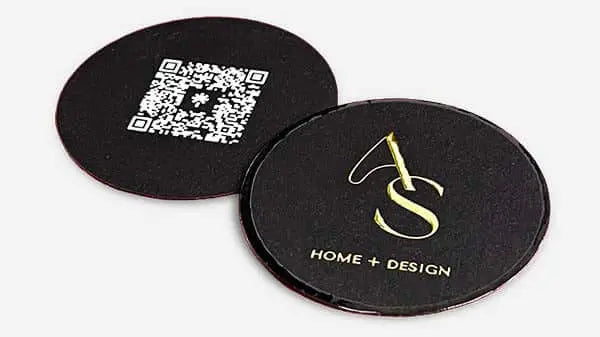


Creative Card Material Ideas for Brands That Stand Out
TL;DR:
- The choice of business card material significantly impacts the first impression of your brand, combining weight, texture, and finish to convey quality. Selecting the right material involves considering durability, print compatibility, sustainability, and brand personality to create a memorable tactile experience. Using innovative and eco-friendly materials like BioPoly™ Vinyl or wood veneer helps brands stand out while aligning with sustainability values.
The business card you hand someone is a physical claim about your brand. Most professionals spend hours on logo and color, then default to whatever cardstock the printer recommends. That gap between visual investment and material investment is where brands lose their edge. Choosing the right creative card material ideas means thinking through weight, texture, sustainability, and print compatibility together. Get it right and the card stays in someone’s hand longer, feels intentional, and communicates quality before they read a single word.
Table of Contents
- Key takeaways
- 1. Key criteria for selecting creative card material ideas
- 2. Traditional and premium cardstock: weights and finishes explained
- 3. Innovative and sustainable card materials for brand distinction
- 4. Comparing card materials: durability, aesthetics, and brand fit
- 5. Situational guidance for choosing your card material
- My take on the underestimated power of material choice
- Ready to put these materials into practice
- FAQ
Key takeaways
| Point | Details |
|---|---|
| Material sets the first impression | Weight, texture, and finish communicate brand quality before the recipient reads anything. |
| Finish choice affects function | Writing on gloss or laminated finishes causes smearing; choose uncoated or matte stock when hand annotation matters. |
| Sustainable materials are production-ready | FSC-certified stocks and biodegradable alternatives like BioPoly™ Vinyl are now accessible with standard finishes. |
| Thickness signals value | Heavier stock significantly boosts perceived quality and brand recall with only modest cost increases. |
| Material must match brand personality | Luxury, eco-conscious, creative, and corporate brands each have a material logic that should drive the selection. |
1. Key criteria for selecting creative card material ideas
Before picking a specific stock or substrate, you need a decision framework. The material choice is not just aesthetic. It reflects how your brand wants to be perceived and how the card will actually be used.
Weight and thickness are the first filter. Thicker cards feel more substantial and signal investment. A card that flops when held communicates something very different from one that holds its shape.
Surface finish shapes the tactile experience. Matte, gloss, soft-touch, and uncoated each deliver a distinct feel and influence how colors appear. Soft-touch laminates, for example, have a velvety, near-addictive texture that consistently increases perceived card value among recipients.
Writeability is often forgotten until it causes a problem. If you hand cards to clients who might jot down notes, an appointment time, or a referral name, the surface must accept ink. Uncoated and matte surfaces accept ballpoint and felt-tip ink reliably. Gloss and soft-touch laminates do not.
Sustainability is no longer a niche concern. Brands with genuine eco commitments need materials that communicate that value credibly. FSC-certified stocks and recycled paper options are widely available without sacrificing print quality.
Print compatibility is the technical side of material selection. High-resolution photography and complex gradients demand a smooth, coated surface. Minimalist text-heavy layouts often look better on uncoated or textured stocks.
Pro Tip: Before finalizing a material, request physical samples and test your design on them. Color rendering shifts significantly between coated and uncoated stocks, and no screen preview captures that accurately.
2. Traditional and premium cardstock: weights and finishes explained
Paper-based cards remain the most common choice. The range within that category, though, is wider than most people realize. Selecting the right cardstock weight and finish is one of the most impactful creative card design tips you can apply.
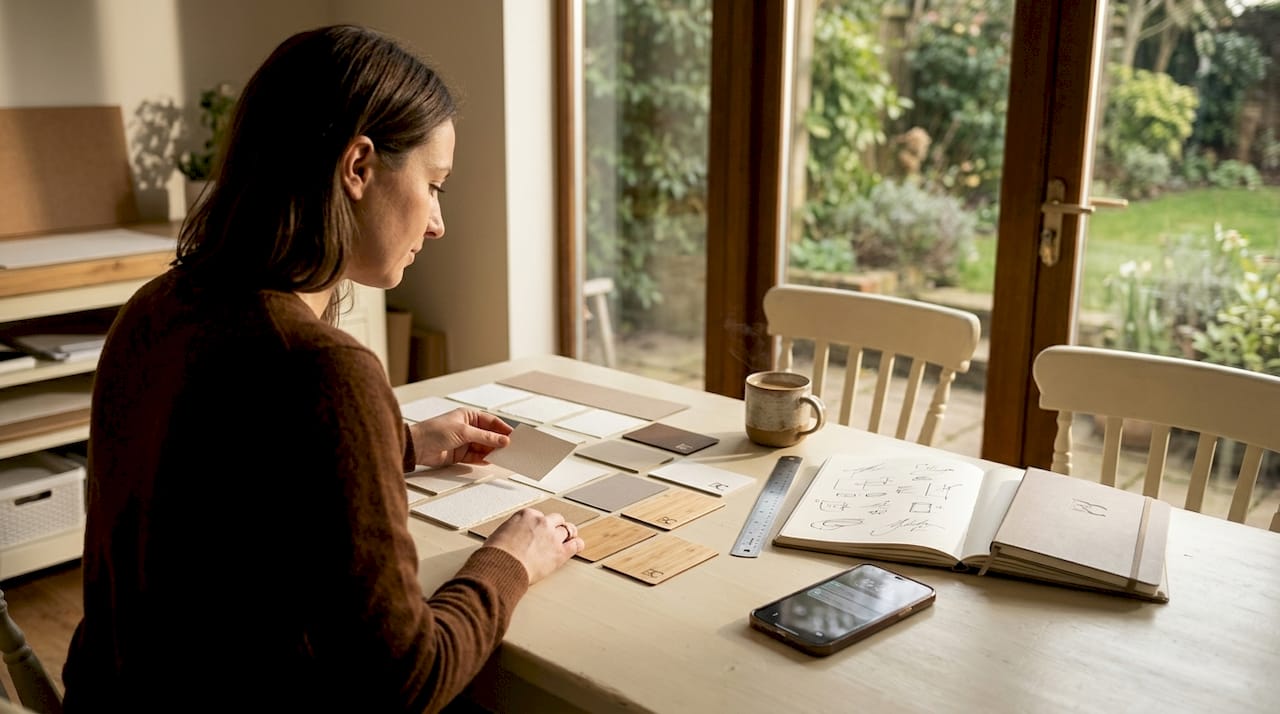
The industry standard is 16pt cardstock, which balances durability with cost-effectiveness. For a noticeable premium feel, 18pt stock crosses a threshold where the card feels deliberate and solid. At 32pt, you approximate bank card thickness. That weight communicates luxury without saying a word about it.
Here is how common finishes compare:
| Finish | Tactile feel | Color vibrancy | Best for |
|---|---|---|---|
| Gloss laminate | Smooth, slick | High, saturated | Photo-heavy, graphic-intense designs |
| Matte laminate | Flat, minimal sheen | Accurate, subdued | Minimalist, editorial brands |
| Soft-touch laminate | Velvety, smooth | Rich and deep | Luxury, tactile-forward brands |
| Uncoated | Textured, natural | Softer, absorbed | Natural brands, writing-friendly use |
| Spot UV | Contrast of matte/gloss | Selective highlights | Logo emphasis, premium detailing |
Coated stocks deliver sharper images and stronger color pop. Uncoated stocks absorb ink differently, producing a softer result that feels warmer and more tactile. Neither is objectively superior. The right answer depends entirely on your design.
Spot UV coating applied selectively creates striking contrast, where a shiny logo or pattern presses against a flat matte background. It draws the eye exactly where you want it.
Pro Tip: Pair soft-touch laminate with spot UV on your logo for a finish combination that is visually and physically engaging. The contrast between textures makes the card physically interactive.
3. Innovative and sustainable card materials for brand distinction
Paper is not the only option. The most memorable creative card design ideas often come from materials that recipients have never touched before. And many of the best unique card materials now carry genuine sustainability credentials.
BioPoly™ Vinyl is a practical alternative to standard PVC. It uses 97% PVC combined with 3% bio-based additives, and BioPoly™ Vinyl cards biodegrade in approximately 3 years under landfill conditions. For brands that want the durability of a plastic-feel card without the permanent environmental footprint, this is a credible path.
BioPoly™ Stone goes further. Stone-based substrates are plastic-free and provide a cool, dense tactile experience that is completely unlike paper. They also support laser engraving, which opens up creative card design ideas that ink printing alone cannot achieve.
Wood veneer and FSC-certified wood substrates are the most visually distinctive option in this category. A wood card stops conversations. It communicates craft, sustainability, and a specific kind of brand personality that no paper or plastic card can replicate. Wood veneers require moisture control and special adhesives during production. Dimensional stability matters. Without it, cards can warp under temperature or humidity changes, affecting both aesthetics and function.
When working with unconventional substrates, keep these production realities in mind:
- Not all printing technologies are compatible. Digital offset processes that work on paper may need to be adapted for stone or wood.
- Embellishments like foil stamping require different adhesive temperatures on natural substrates.
- Order sample quantities before full production to verify color fidelity and structural integrity.
- Factor in longer lead times for specialty material sourcing and controlled production runs.
Brands in hospitality, wellness, and creative industries are transitioning from standard PVC to sustainable materials like wood veneer because those materials align with guest expectations and brand values in ways that plastic cannot.
4. Comparing card materials: durability, aesthetics, and brand fit
Choosing between materials is easier with a direct comparison. Here is how the main categories stack up across practical criteria:
| Material | Durability | Aesthetic quality | Printability | Eco impact | Best brand type |
|---|---|---|---|---|---|
| 16pt gloss cardstock | Good | High color vibrancy | Excellent | Moderate | General professional |
| 32pt soft-touch | Very good | Luxury, velvety | Excellent | Moderate | Luxury, premium services |
| Uncoated stock | Moderate | Natural, warm | Good | Low (if recycled) | Natural, artisan brands |
| BioPoly™ Vinyl | Excellent | Clean, modern plastic feel | Very good | Low (biodegrades ~3 yrs) | Tech, eco-forward brands |
| Wood veneer | Moderate (moisture-sensitive) | Striking, natural, unique | Moderate (requires prep) | Very low | Creative, craft, hospitality |
| BioPoly™ Stone | High | Dense, tactile, premium | Good (laser engraving) | Very low | Design, architecture, wellness |
Durability favors synthetic materials. BioPoly™ Vinyl and stone substrates outlast paper in most conditions. Paper and wood stocks, while beautiful, are more vulnerable to moisture and physical wear.
Aesthetic quality is context-dependent. A 32pt soft-touch card with foil stamping delivers an experience that synthetic cards rarely match in warmth and perceived craftsmanship. But a transparent plastic card in a tech environment communicates modernity in a way paper cannot. The best materials for cards are always those that reinforce what the brand already stands for.
For print complexity, coated cardstock remains the most reliable choice. Photographic imagery, fine gradients, and multi-color designs render most accurately on smooth, sealed surfaces.
5. Situational guidance for choosing your card material
Framework and comparison data are useful, but the decision becomes concrete when you apply it to a specific brand scenario.
For luxury and high-end service brands, 32pt ultra-thick cardstock options with soft-touch laminate and foil stamping are the strongest combination. The thickness signals premium positioning. The foil adds a visual moment. The soft-touch creates a tactile memory.
For eco-conscious and sustainability-led brands, FSC-certified or recycled uncoated stocks tell the brand story through the material itself. Sustainable stocks are fully accessible now, compatible with standard finishes, and print cleanly. BioPoly™ Vinyl is a strong upgrade if you need durability alongside sustainability credentials.
For creative professionals and studios, wood veneer or stone substrates are worth serious consideration. These materials become a talking point at the moment of exchange. They signal that you think differently about every detail, which is exactly what a creative brand needs to communicate.
For corporate and B2B professionals, 16pt or 18pt coated cardstock with a professional matte or gloss finish balances cost, quality, and appropriateness. Adding selective spot UV on a logo can differentiate without moving into territory that feels informal.
Consider the card use case alongside brand positioning:
- Networking events call for durable, bold cards that survive a pocket or bag
- Client appointments benefit from writable surfaces where information can be added on the spot
- Gifted or leave-behind cards warrant premium materials that reinforce the value of the relationship
- High-volume distribution scenarios favor cost-effective yet well-finished stocks over specialty substrates
Pro Tip: When you select a material, choose your finishing embellishments in relation to it, not in isolation. Foil on matte stock reads very differently from foil on gloss. The combination creates the final impression, not either element alone.
My take on the underestimated power of material choice
I’ve worked with enough brands to say this plainly: most of them underspend on material and overspend on revisions. They cycle through logo tweaks and color palette debates while the card stock stays at the printer’s default. Then they hand it to a client and wonder why it feels forgettable.
What I’ve seen consistently is that material weight and tactile experience shape recall more than any design element. A card that feels substantial makes the recipient slow down. That pause is where your brand registers.
The conventional wisdom that says “don’t overthink the paper” is outdated. Print technology has advanced. The gap between a standard 14pt gloss card and a 32pt soft-touch card with a foil detail is not just aesthetic. It represents a measurable difference in how your brand is perceived by the person holding it.
One thing most articles skip: the interaction between printing technology and material affects the final result as much as the design file itself. Digital printing on uncoated stock produces a very different output than the same file on coated stock. Understanding that before production saves significant rework and cost.
My advice is to treat material selection as part of the design process, not a downstream logistics decision. Experiment deliberately. Request samples. Test finishes with your actual design. The difference between a good card and a truly memorable one is usually not the artwork.
— Kostiantyn
Ready to put these materials into practice
If you’ve identified the right material direction for your brand, the next step is working with a studio that can execute it without compromise.
Bcardscreation specializes in fully custom, small-batch business cards developed individually without templates. Every project includes material consultation and design guidance, whether you need fine paper with real foil, luxury creative cards with advanced finishing, or transparent plastic cards for a modern presentation. The studio works across the full range of materials discussed in this article, from soft-touch cardstock and spot UV to specialty substrates and raised foil. If your brand requires a card that earns its place in someone’s wallet, explore custom design options at Bcardscreation and start with a material brief, not a template.
FAQ
What is the best cardstock weight for business cards?
16pt is the standard for professional business cards, offering solid durability at reasonable cost. For a luxury feel, 32pt stock approximates bank card thickness and significantly increases perceived quality.
Can you write on soft-touch or glossy business cards?
No. Writing on gloss, soft-touch, or laminated finishes typically causes smearing. Uncoated or matte stock is the correct choice when recipients need to hand-write notes or appointment times on the card.
What are the most eco-friendly business card materials?
FSC-certified and recycled uncoated stocks are the most accessible eco-friendly options. BioPoly™ Vinyl cards offer a biodegradable plastic alternative, breaking down in approximately three years under landfill conditions.
When should you use wood veneer business cards?
Wood veneer cards work best for creative, hospitality, or sustainability-focused brands where a distinctive tactile material reinforces the brand story. Production requires attention to moisture control and dimensional stability to prevent warping.
What finish makes a business card look most premium?
Soft-touch laminate paired with selective spot UV or real foil stamping consistently produces the strongest premium perception. The contrast between the matte velvety base and the raised or shiny embellishment creates a multi-sensory impression.


