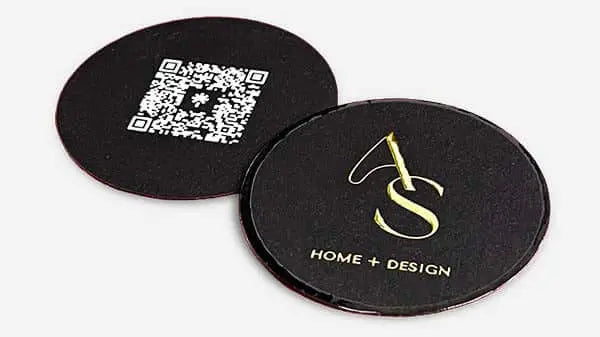


Silk business cards: Enhance your brand with premium feel
TL;DR:
- Silk business cards feature a durable, smooth, fabric-like finish that enhances color richness and resists fingerprints. They are ideal for brands seeking a professional, refined look that maintains durability and long-term visual appeal. Silk lamination balances premium feel and practicality, making it suitable for handling-intensive environments and bold design elements.
Not all business cards do the same job. The card stock you hand someone tells them something about your brand before they read a single word. Silk business cards are one of the most underrated premium options in professional printing. They offer a smooth, fabric-like feel, strong durability, and a refined look that sits between matte and gloss. This article covers what silk cards actually are, how they compare to other finishes, when to use them, and how to design one that works hard for your brand.
Table of Contents
- What are silk business cards?
- How silk lamination differs from other finishes
- When should you choose silk business cards?
- Practical tips for designing silk business cards
- The real reason silk cards win in the world of premium business identity
- Discover premium silk and creative business cards for your brand
- Frequently asked questions
Key Takeaways
| Point | Details |
|---|---|
| Premium durability | Silk lamination gives cards extra resistance to water and wear, lasting longer in wallets and pockets. |
| Elegant feel and appearance | The signature silk finish delivers a subtle sheen and refined texture that stands out from ordinary cards. |
| Ideal for bold designs | Graphic-heavy or colorful designs benefit from silk lamination, enhancing both look and longevity. |
| Writing limitation | Plan ahead—silk cards are not suitable for handwritten notes due to their laminated surface. |
What are silk business cards?
Silk business cards are not made of fabric. The name refers to the finish. You start with a thick cardstock base, usually around 16 to 17 pt, and then a silk lamination layer is applied on top. The result is a surface that feels smooth and soft, similar to how you might imagine touching the inside of a high-end jacket lining.
Silk business cards are built on a thicker cardstock base of around 16 to 17 pt, and then laminated for added durability. That lamination step is what sets them apart. It bonds a thin film to the printed surface, which protects the ink underneath and gives the card its characteristic feel.
Here is what you actually get with silk business cards:
- Thickness: 16 to 17 pt cardstock base, which is noticeably heavier than a standard 10 to 12 pt card
- Surface feel: Smooth but not slippery, soft without being velvety, and slightly warm to the touch
- Sheen level: Subtle. Not flat like matte, not shiny like gloss. Right in between
- Durability: Strong resistance to bending, moisture, and surface wear
- Color appearance: Colors look rich and slightly saturated under silk lamination
- Write-ability: Limited. Most pens do not adhere well to laminated surfaces
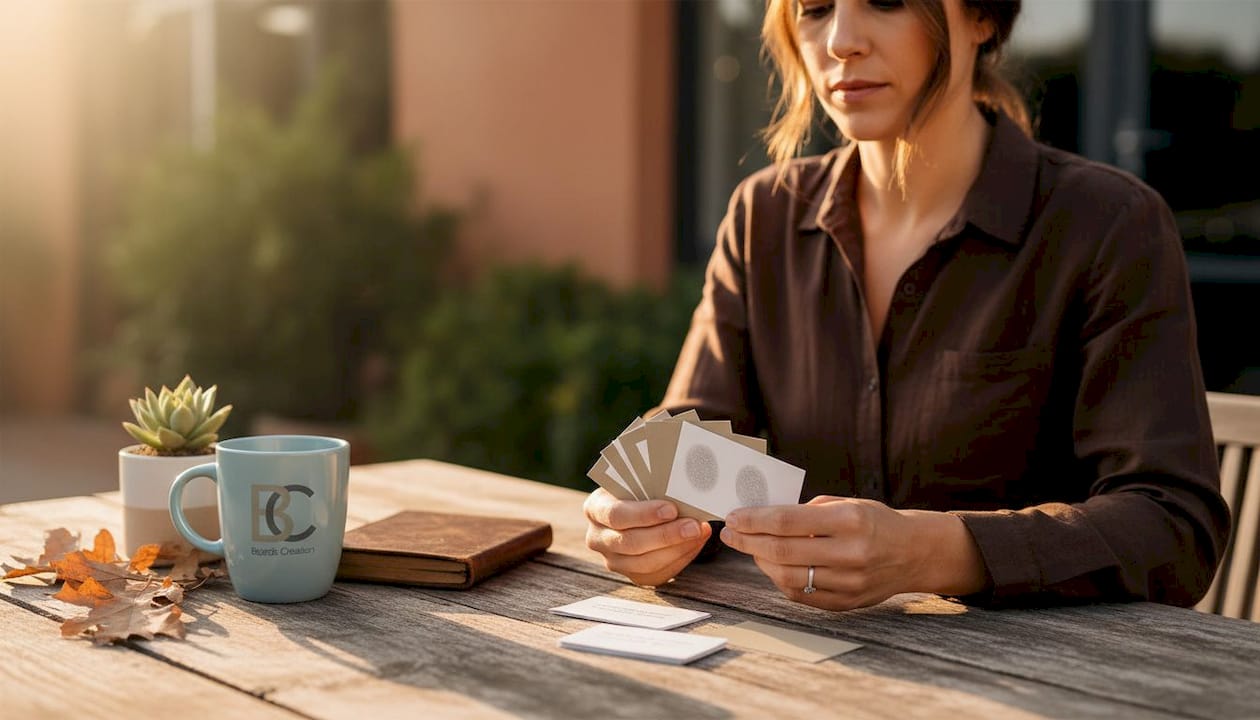
One thing worth knowing: the silk finish also protects against fingerprints better than gloss. Gloss cards smudge easily. Silk cards stay cleaner looking longer. That matters when your card gets passed around multiple times at an event.
When you explore premium card finishes, you quickly see that silk hits a sweet spot. It looks professional without being flashy. It feels premium without being gimmicky. For many brands, that balance is exactly what they need.
How silk lamination differs from other finishes
You have real choices when it comes to card finishes. Matte, gloss, soft touch, velvet, and silk each have different qualities. Understanding those differences helps you pick the right one for your brand.
Silk lamination is more durable than matte finishes, offering higher resistance to water and wear, and a look that is not as reflective as gloss. That is a meaningful practical difference. Matte cards scratch and scuff more easily. Gloss cards show fingerprints and can feel cheap if the stock is thin. Silk threads the needle between both.
Here is a direct comparison of the most popular finishes:
| Finish | Feel | Sheen level | Durability | Write-ability | Best for |
|---|---|---|---|---|---|
| Silk | Smooth, fabric-like | Low to medium | High | Poor | Professionals, creatives, retail |
| Matte | Flat, paper-like | None | Medium | Moderate | Minimalist brands, budget builds |
| Gloss | Slick, reflective | High | Medium | Poor | Bold photography, bright colors |
| Soft touch | Velvety, grippy | None | Medium | Very poor | Ultra-luxury, low-handling |
| Velvet | Plush, tactile | None | Lower | Very poor | Fashion, art, prestige brands |
Silk laminate is often framed as a balanced option: refined and durable, but less dramatic than velvet and typically not ideal for writing. That framing is accurate. Velvet and soft touch cards feel amazing on first contact, but they pick up scuffs and oils more easily in real-world handling. They also cost more. Silk gives you most of that premium feel at a more practical price point and with better long-term durability.
If you are curious about velvet business cards, they are worth considering for specific brand moments. But for everyday professional networking, silk is the smarter default for most people.
Pro Tip: If your brand uses rich colors or complex gradients in its visual identity, silk lamination will make those elements pop more than matte will. Matte absorbs light; silk reflects it just enough to enhance color depth without looking glossy.
The luxury card essentials space has grown fast. More brands are treating their business card as a brand asset rather than a throwaway item. In that context, silk fits cleanly into a strategy that values lasting impression over novelty.
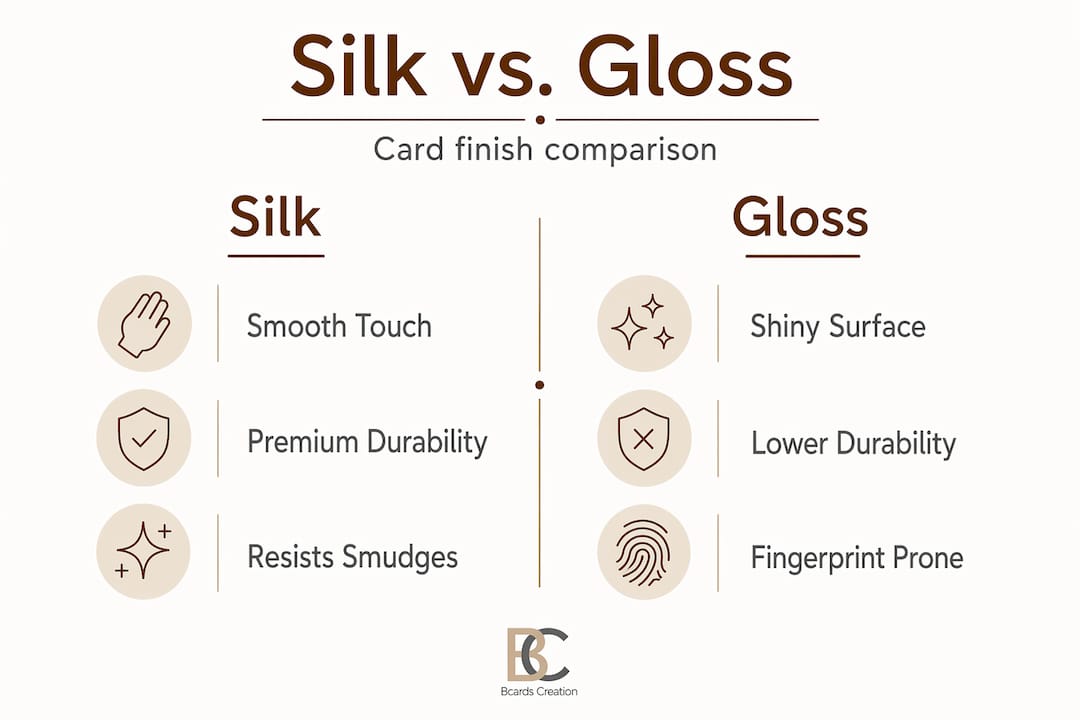
One more comparison worth noting: gloss cards can develop a yellowed or cheap appearance over time, especially lower-quality ones. Silk lamination ages better. A silk card pulled from someone’s wallet six months after they received it still looks and feels close to new.
When should you choose silk business cards?
Not every brand needs silk. But some situations make it a clear choice over other options. Knowing when to use silk saves you from overspending on a finish that does not match your brand context, or underspending and missing an opportunity to differentiate.
Here are the situations where silk business cards deliver real value:
-
Heavy graphic design: If your card uses bold solids, gradients, photographic elements, or complex layouts, silk lamination enhances those visuals. It provides a protective layer that keeps ink looking sharp longer.
-
Frequent handling: Cards that get passed around a lot, at trade shows, networking events, or retail environments, hold up better with silk lamination. The coating prevents corner damage and surface scuffs.
-
Professional service industries: Lawyers, architects, consultants, financial advisors, and medical professionals all benefit from a card that feels substantial and polished without being flashy.
-
Creative professionals: Photographers, designers, stylists, and brand consultants can use silk to add tactile quality to their card. The feel itself communicates attention to detail.
-
Retail and hospitality: If your brand interacts with customers in physical spaces, a silk card reinforces a premium service experience and reflects product quality.
“A business card is the one physical touchpoint in a digital world. If it feels cheap, your brand feels cheap. If it feels refined, people assume the same about your work.”
If your design uses heavy solids, gradients, or your cards will be carried and handled a lot, silk lamination is a practical premium finish versus cheaper uncoated stocks. That is the core use case. Durability plus appearance, working together.
There are also cases where silk is not the right choice. If you need to write on the card, such as adding a price, appointment time, or personal note, plan around that. Laminated cards are not writable. You can solve this by leaving an uncoated white back panel, or by printing QR codes that do the work for you instead of handwritten notes.
Pro Tip: Order a small batch first. Many professional printers offer short runs. Use a sample order to see how the finish interacts with your specific colors and design before committing to a full quantity.
A unique card design paired with silk lamination is a strong combination. The finish amplifies what you put on the card. If your design is flat or generic, silk will not save it. But if your design has intention behind it, silk will carry that intention into the person’s hands. For more direction on this, the range of luxury card ideas available today shows how far the format can go.
Understanding premium materials for impact helps you put silk in context within a broader material strategy.
Practical tips for designing silk business cards
Once you have decided silk is the right finish, how you design the card matters just as much as the lamination itself. Here is what works in practice.
Get specific vendor details before ordering. Ask about the exact lamination process, cardstock thickness, and coating coverage. Some vendors laminate one side only. Others coat both. This affects how the card looks and how it handles. You should confirm vendor specs for resistance and any write-ability expectations before placing a large order.
- Use bold design elements. Silk lamination rewards confident design choices. Solid color backgrounds, strong typography, and clean layouts all benefit from the finish. Avoid pale or washed-out designs that may look even flatter under silk.
- Lean into gradients. Gradients look especially good under silk. The subtle sheen gives them dimension that matte cannot match and avoids the plasticky look of gloss.
- Plan your color carefully. Dark colors, especially navy, forest green, charcoal, and black, look stunning under silk lamination. They appear richer and more three-dimensional.
- Think about the back of the card. If you want people to write on it, leave the back uncoated. This is a standard option with many printers and gives you the best of both worlds.
- Avoid very thin fonts in light colors. Silk does have a slight texture, and very fine reversed-out text can sometimes look slightly blurred at small sizes. Test before printing at scale.
Pro Tip: If you are adding foil or spot UV on top of a silk card, ask your vendor about compatibility. Some finishing techniques require specific lamination types to adhere properly. Getting this confirmed early prevents production delays.
Silk cards also tend to last longer physically than uncoated cards. A card in someone’s wallet for three months still needs to look good when they pull it out. Silk lamination protects against wallet wear, humidity from body heat, and surface contact with other cards. That longevity translates to longer brand exposure for the same initial investment.
Explore impactful card features that complement silk lamination, and review must-have details on business cards to make sure your information hierarchy is set up for maximum effect.
The real reason silk cards win in the world of premium business identity
Here is something most articles about business card finishes get wrong. They treat the choice of finish as purely aesthetic. Silk versus matte versus velvet, framed as a style decision. But the real reason silk cards perform better for brand building is not about how they look. It is about how they hold up over time.
The average business card gets handled multiple times before it is filed, kept, or discarded. Every time someone picks it up, they make a micro-assessment of your brand. A card that looks worn, bent, or faded signals that you do not invest in quality. A card that still looks new three months later signals the opposite.
Most people choose card finishes based on how they feel on day one. Silk feels good on day one and day ninety. That consistency matters more than any initial wow factor.
There is a tendency among small business owners to chase novelty in their card design. Neon foil. Die cut shapes. Translucent plastic. All valid in the right context. But the brands that consistently leave strong impressions often choose restraint. Silk lamination is restraint done well. It communicates quality without announcing itself.
The contrarian take: stop asking what makes your card look impressive, and start asking what makes it look like you. A silk card paired with your real brand colors and clear contact information will outlast a gimmicky novelty card every time. People remember brands that feel consistent. Silk is a finish that reinforces consistency.
We have seen this play out repeatedly with clients who come in wanting something dramatic, and leave with something refined. The lasting card impact comes not from surprise, but from alignment between the card and the brand it represents.
Discover premium silk and creative business cards for your brand
Ready to put these ideas into practice? BcardsCreation works with professionals and brands across the US to produce fully custom business cards with no templates and no automated editors.
Every card project starts with a real conversation about your brand, your goals, and the materials that will serve them best. Whether you want silk lamination, velvet, foil, clear plastic, or a combination of finishes, each order is developed individually. You can start with our custom silk card design service, or explore the full range of options through our luxury card printing collection. Small batches available. Expert design guidance included. Your brand deserves a card that works as hard as you do.
Frequently asked questions
Are silk business cards waterproof?
Silk lamination offers strong resistance to water and wear against moisture, but they are not fully waterproof. Avoid prolonged exposure to liquids to keep them looking their best.
Can you write on silk business cards with a pen?
Silk laminate is not ideal for writing since the surface is non-absorbent. Plan your design to work without handwriting, or request an uncoated back panel if you need to write on cards.
How thick are silk business cards compared to regular business cards?
Silk cards use thicker cardstock at 16 to 17 pt, which is notably heavier than a standard 10 to 12 pt card, and the lamination adds even more rigidity and sturdiness.
What design features work best with silk lamination?
Bold colors, gradients, and heavy graphic elements all look especially strong under silk lamination, because the subtle sheen adds depth and richness to high-contrast designs.


