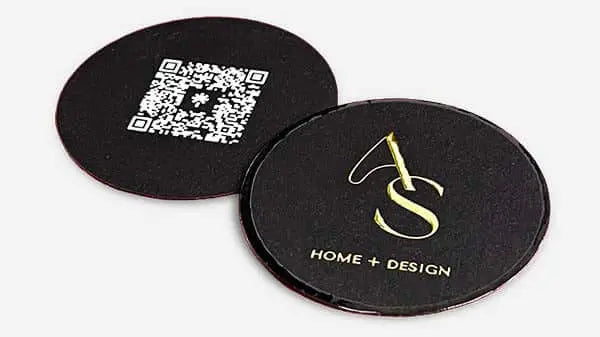


Top printing techniques for cards that elevate your brand
TL;DR:
- The choice of printing technique influences a business card’s feel, look, and memorability.
- Combining techniques like offset with foil, embossing, or spot UV enhances premium perception.
- Design and finish must work together; deliberate material choices create timeless, impactful cards.
Your business card is often the first physical thing a potential client touches. That moment matters. A flimsy, forgettable card says one thing about your brand. A card with real texture, sharp color, and a finish that catches the light says something completely different. The printing technique you choose shapes that experience. It affects how your card feels, how it looks, and whether someone keeps it or tosses it. This guide breaks down the most effective printing methods for premium cards, compares them side by side, and helps you pick the right one for your brand.
Table of Contents
- How to choose the right card printing technique
- Popular printing techniques for premium cards
- Comparing top printing techniques: Features and uses
- How to select the best technique for your brand
- Beyond trends: A fresh perspective on business card printing
- Ready to upgrade your business cards?
- Frequently asked questions
Key Takeaways
| Point | Details |
|---|---|
| Choose by brand fit | Select print techniques that best express your business’s personality and market position. |
| Combine techniques | Pair methods like letterpress or offset with foil or spot UV for maximum impact and differentiation. |
| Tactile signals matter | Premium finishes leave a lasting impression and help your card get remembered. |
| Balance quality and budget | Digital printing can deliver standout results cost-effectively for small runs, while classic methods excel for luxury. |
How to choose the right card printing technique
Not every printing method fits every brand. Before you order, it helps to think through a few key questions. What is your card supposed to do? Is it a networking tool at trade shows, a luxury leave-behind for high-end clients, or a creative statement piece for a design studio? The answer changes everything.
Impression, tactile effect, cost, and run size all factor into which method works best for your situation. A method that is perfect for a 5,000-card offset run may be completely wrong for a boutique studio ordering 100 cards.
Here are the main factors to evaluate:
- Purpose: Networking cards need clarity and durability. Luxury cards need tactile impact. Creative cards need visual surprise.
- Tactile vs. visual impact: Some techniques you feel first (letterpress, emboss). Others you see first (foil, spot UV). Both matter.
- Budget and minimum order: Digital printing has low minimums. Offset and letterpress often require larger runs to justify setup costs.
- Finish compatibility: Some techniques layer well together. Others do not. Knowing this upfront saves money.
Why design is crucial to your card’s success is worth understanding before you even pick a print method. The technique amplifies the design. It does not replace it. And if you want to go deeper on what separates ordinary cards from standout ones, premium business card design covers the full picture.
Pro Tip: The best cards usually combine two techniques. A clean offset base with an emboss or foil accent gives you sharpness plus texture. That combination is hard to ignore.
Popular printing techniques for premium cards
Now that you know what to consider, let’s break down the most effective printing methods available today.
Offset printing delivers unmatched color accuracy and sharpness. It uses ink plates pressed onto paper, producing consistent results across large runs. It is the gold standard for high-volume orders where quality cannot vary.
Digital printing is fast and flexible. No plates are needed, so setup costs are low. Minimum orders can be as small as 25 cards. Color is vibrant and consistent. It is the go-to for small batches or quick turnarounds.
Letterpress presses type or imagery into thick paper stock, leaving a visible indent. The result is a tactile, artisan feel that is immediately noticeable. It works best on thick cotton or soft paper.
Foil stamping adds metallic shine using heat and pressure. Hot foil gives crisp edges, while cold and digital foil work well for shorter runs. It elevates even the simplest designs and signals luxury instantly.
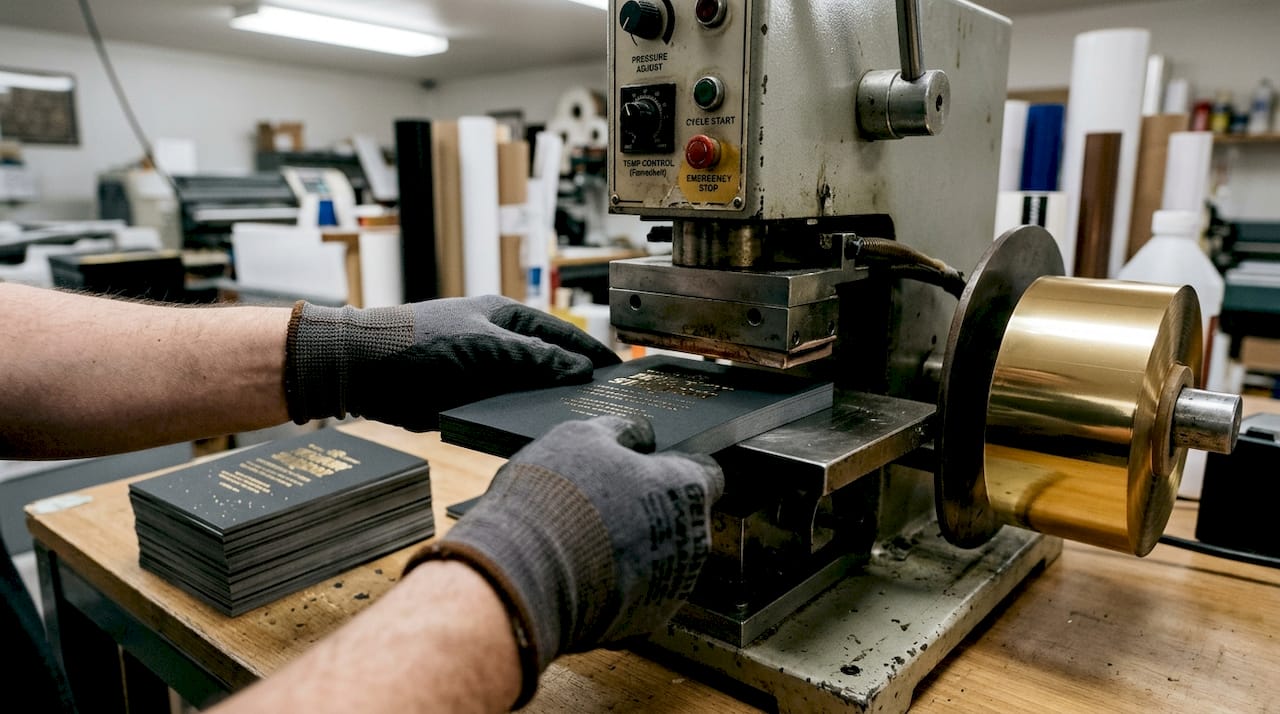
Emboss and deboss raise or indent specific areas of the card without ink. The result is a three-dimensional texture that draws the eye and the fingertip.
Spot UV applies a glossy coating to selected areas on a matte card. The contrast between matte and gloss creates a striking visual effect without adding color.
Transparent and plastic cards stand out through material alone. A clear card with minimal print looks modern and unexpected.
For premium cards that genuinely enhance brand identity, combine offset or letterpress with finishes like foil, spot UV, or emboss on thick cotton stock. The combination creates both tactile and visual differentiation that a single technique cannot match.
Pro Tip: Foil stamping on a dark matte card creates a dramatic contrast that photographs well too, which matters for social sharing and portfolio work.
The luxury branding printing process behind these techniques is more involved than standard print. Understanding it helps you ask the right questions when working with a print studio. And if you want a full overview of what goes into high-end card production, the business card printing guide is a solid reference. For a closer look at metallic finishes specifically, foil stamping for luxury cards covers the process in detail.
Comparing top printing techniques: Features and uses
With each popular technique covered, let’s compare them directly to help you choose the right fit.
| Technique | Visual impact | Tactile feel | Best use case | Relative cost | Min. order |
|---|---|---|---|---|---|
| Offset | Very high | Low | Large runs, sharp color | Medium | 500+ |
| Digital | High | Low | Small runs, quick turnaround | Low | 25+ |
| Letterpress | Medium | Very high | Luxury, artisan brands | High | 100+ |
| Foil stamping | Very high | Medium | Luxury accents, logos | High | 50+ |
| Emboss/Deboss | Low | Very high | Texture-focused premium cards | Medium-High | 100+ |
| Spot UV | High | Medium | Contrast effects on matte stock | Medium | 50+ |
| Plastic/Clear | High | Low | Modern, tech, or creative brands | Medium | 50+ |
Offset and letterpress create premium foundations that are ideal for layering effects like foil or emboss. They give you a clean, high-quality base that specialty finishes can build on.
A few things stand out from this comparison:
- Letterpress and foil deliver the strongest luxury signal, but they cost more per card.
- Digital printing is the most accessible entry point, with no sacrifice in color quality.
- Spot UV offers a high-impact visual effect at a moderate price, making it a smart choice for brands with limited budgets.
- Plastic cards are a category of their own. The material itself is the statement.
Understanding what defines premium impact in the card space helps you read this table with more context. Not every brand needs the most expensive method. The right choice is the one that fits your brand story and your audience’s expectations.
How to select the best technique for your brand
Having compared all the major methods, let’s tailor the decision to your business and creative vision.
The technique you choose should match your brand’s character. Here is a simple way to think through it:
- Define your brand ethos. Luxury brands benefit from letterpress and foil. Creative studios may favor spot UV or plastic. Minimalist brands often shine with clean offset and a single foil accent.
- Prioritize tactile impact if first impressions are critical. If you hand your card directly to clients in high-stakes meetings, how it feels matters as much as how it looks.
- Balance budget with impact. Spend more on the finish that your audience will notice most. A well-placed foil logo on a simple card outperforms a busy design on cheap stock every time.
- Consider layering. Combining offset or letterpress with tactile finishes sets brands apart in competitive markets. It is one of the most effective ways to create a card that people actually remember.
- Think about your industry. Finance and law firms tend toward classic and refined. Creative professionals can push further with unexpected materials or finishes.
Pro Tip: Layering two or three finishes, like a letterpress base with foil and painted edges, creates a card that is genuinely unique and sets your brand apart. Just make sure each element serves the design rather than competing with it.
For a deeper look at what materials and finishes are making an impact right now, luxury card essentials for 2025 is worth a read.
Beyond trends: A fresh perspective on business card printing
Here is something most print guides will not tell you: obsessing over finish before nailing your design is a mistake. We see it often. A client invests in hot foil and letterpress, but the layout is cluttered and the typography is weak. The result is an expensive card that still does not work.
The wow factor comes from design and finish working together. One without the other falls short.
Another thing worth saying: combining old and new techniques is often smarter than going all-in on one. A digital base with a hot foil accent gives you speed, flexibility, and luxury at a lower cost than full letterpress. That kind of thinking is practical and creative at the same time.
The best cards we have seen are intentional. Every material choice, every finish, every weight of paper ties back to what the brand is trying to say. Chasing trends produces cards that look dated in two years. Making deliberate choices produces cards that still feel right five years from now.
If you are wondering whether the investment is worth it, investing in premium cards makes the case clearly.
Ready to upgrade your business cards?
You now have a clear picture of what each printing technique offers and how to match it to your brand. The next step is working with a studio that can actually deliver on it, without templates, without automated editors, and with real material expertise.
At BcardsCreation, every card project starts with a conversation about your brand, your audience, and your goals. From there, we guide you through material selection, finish options, and design. Whether you need custom business card design, bold creative business cards with foiling and specialty finishes, or striking clear business cards that make an instant impression, we handle every detail. Small batches, premium results.
Frequently asked questions
What is the best printing technique for luxury business cards?
Letterpress combined with foil stamping or spot UV is often the strongest choice for luxury cards. Combining a letterpress base with finishes like foil or emboss on thick cotton stock creates both tactile depth and strong visual impact.
Does foil stamping work for short business card runs?
Yes. Cold and digital foil methods are designed for smaller quantities, making premium metallic finishes accessible without requiring a large minimum order.
How can I make my business card design stand out?
Focus on tactile finishes like emboss, letterpress, or foil on thick stock. Combining a letterpress or offset base with specialty finishes creates both visual and sensory differentiation that generic cards cannot match.
Is offset printing still relevant for small businesses?
Offset is best suited for larger runs where consistent color quality matters most. For small businesses with lower quantities, digital printing suits small minimums while still delivering sharp, vibrant results.


