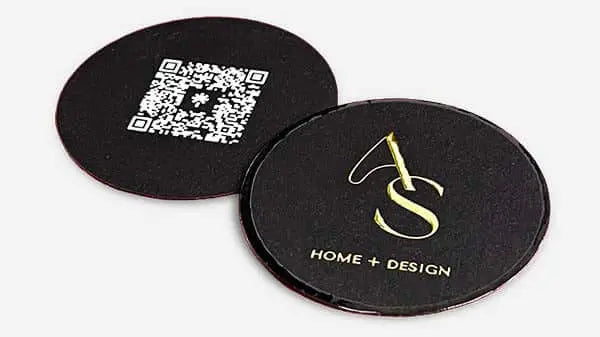


Business card etiquette list: Essential rules for impact
TL;DR:
- Proper business card etiquette builds first impressions and signals professionalism and respect.
- Designing a clear, high-quality card enhances credibility and leaves a lasting impression.
- Tailoring exchange and follow-up practices to different contexts maximizes networking success.
You hand over your card face-down, the contact info smudged from sitting loose in your jacket pocket. The other person glances at it, then sets it aside without a word. That moment costs you more than you think. Business card etiquette is one of the most overlooked factors in professional networking, yet it shapes first impressions faster than your pitch ever will. This guide gives you a clear, actionable etiquette list covering design standards, exchange practices, and situational rules so every card you hand over works as hard as you do.
Table of Contents
- Core principles of business card etiquette
- The do’s and don’ts of exchanging business cards
- Design and content etiquette for your card
- Situational etiquette: Events, meetings, and follow-up
- Business card etiquette: What most professionals get wrong
- Polished cards for every professional: Next steps
- Frequently asked questions
Key Takeaways
| Point | Details |
|---|---|
| First impressions matter | Your business card and how you present it shape how others view your professionalism. |
| Avoid common etiquette pitfalls | Missteps in card exchange and content can undermine your networking impact and credibility. |
| Design reflects your brand | Clear, attractive card design communicates your business values and earns trust. |
| Adapt etiquette for each situation | Tailor your card etiquette to match event settings, meetings, and follow-up communications. |
| Strategic etiquette, lasting results | Treat business card etiquette as a branding discipline for better networking outcomes. |
Core principles of business card etiquette
Business cards are physical signals. Before you say a word, your card communicates how seriously you take your work. Professionals who treat cards casually often lose ground in moments they don’t even notice.
The foundation of good etiquette starts with these core practices:
- Always carry cards in a card case. Loose cards bend, stain, and wrinkle. A card case protects the card and signals you’re prepared.
- Keep your supply current. Outdated phone numbers or old job titles immediately signal disorganization. Replace cards whenever key details change.
- Hand cards with intention. Face up, readable side toward the recipient. This small gesture shows respect and makes the exchange feel deliberate.
- Receive cards with both hands when appropriate. Especially in formal or international settings, accepting a card with one hand while checking your phone is a visible sign of disrespect.
- Never hand out damaged cards. A bent or stained card is worse than no card. It signals that you don’t value the interaction.
Pro Tip: Keep two card supplies on you at events: one in an easy-access pocket for quick exchanges, and a backup in your bag. You’ll never awkwardly fumble or run out at a critical moment.
“Your business card is a physical extension of your brand. A card with poor design or errors undermines your professional image before you’ve spoken a single sentence.”
The common business card mistakes most professionals make aren’t dramatic. They’re small oversights that quietly damage credibility. A missing title, a cluttered back, or a font that’s too small to read. These details matter more than most people realize.
Think of the card as your brand’s handshake. It sets the tone for what follows.
The do’s and don’ts of exchanging business cards
Card exchanges happen fast. In a two-minute conversation at a networking event, how you handle the exchange matters as much as what you say. Here’s a clear breakdown of what works and what doesn’t.
Do’s:
- Offer your card at the right moment. Wait until there’s a natural pause in conversation. Forcing a card into someone’s hand mid-sentence feels pushy.
- Present the card face up and readable. Orient it toward the recipient so they can read your name without rotating it.
- Use your right hand or both hands. In most American professional contexts, this signals respect and attentiveness.
- Take a moment to look at the card you receive. Read the name, note the title, and acknowledge it. This tells the other person you value the connection.
- Follow up within 48 hours. The card exchange is the beginning of the relationship, not the end of it.
Don’ts:
- Don’t hand out cards to everyone in the room indiscriminately. Selective distribution signals that you’re thoughtful, not desperate.
- Don’t write on someone else’s card in front of them. It can feel disrespectful. If you need to add a note, do it privately after the exchange.
- Don’t let received cards pile up in your pocket unsorted. Mixing received cards with your own is a fast track to losing a contact.
Pro Tip: Tailor your card exchange approach to the event type. At a large trade show, brief exchanges are expected. In a private meeting, slow down and treat the card exchange as a formal moment. Presenting cards professionally in context makes a stronger impression.
“A card exchange is a signal of intent. How you handle it tells the other person whether this interaction is transactional or the start of something meaningful.”
Common etiquette errors hurt your networking impact more than most professionals expect. One awkward exchange can close a door before the conversation even starts.
Design and content etiquette for your card
Etiquette isn’t only about how you hand over a card. It extends to what’s on the card itself. A cluttered, hard-to-read card wastes the recipient’s time and signals poor judgment.
Design etiquette essentials:
- Use a font size of at least 8pt for contact details. Smaller text is difficult to read and frustrating.
- Keep your logo proportionate and properly placed. Stretching or pixelating a logo signals low attention to quality.
- Use white space. A card that’s crammed with information looks desperate, not thorough.
- Stick to two fonts maximum. More than that creates visual noise.
Content etiquette essentials:
- Include only the contact details that are relevant to your work. Adding personal social handles to a B2B card often feels out of place.
- Your title should reflect your actual role clearly. Vague titles like “Consultant” without context confuse recipients.
- Skip quotes, slogans, or filler text on the front. Save the back for a short value statement if needed.
Card design impacts how credible and trustworthy you appear to new contacts. This isn’t a minor consideration.

| Element | Strong approach | Weak approach |
|---|---|---|
| Font choice | Clean, readable sans-serif | Decorative, hard-to-read script |
| Contact details | Name, title, email, phone | Six lines of mixed personal and work info |
| Logo | Crisp, properly sized | Blurry, stretched, or missing |
| Card finish | Premium matte or textured | Thin, glossy, or flimsy stock |
| Layout | Clean with white space | Cluttered, no visual hierarchy |
Following solid business card design steps before going to print prevents avoidable mistakes. And if you want to see how elevated materials elevate etiquette, luxury card formats are worth reviewing.
Situational etiquette: Events, meetings, and follow-up
Not every card exchange looks the same. The right approach at a large trade conference is different from a one-on-one client lunch. Context shapes etiquette.
Group networking events:
- Introduce yourself before offering a card. Handing a card before establishing rapport feels transactional.
- Read the room. Some events have a more casual exchange culture. Forcing formality in a relaxed setting can feel stiff.
- Don’t approach someone who’s already in a deep conversation just to hand them a card.
Private meetings:
- Exchange cards at the start of the meeting, not the end. It helps both parties remember names and roles during the conversation.
- Place received cards on the table in front of you during the meeting. It’s respectful and practical.
- Don’t pocket a card mid-meeting without looking at it first.
Follow-up etiquette:
- Reference something specific from your conversation in your follow-up message. Generic “great to meet you” emails are forgettable.
- Connect on LinkedIn only after a personal message. Sending a cold connection request after a card exchange feels abrupt.
- Proper card etiquette strengthens your post-event follow-up when your card is memorable and your follow-up is timely.
Pro Tip: Write a short note on the back of received cards right after the event. One or two words about where you met or what you discussed makes your follow-up more personal and effective.
| Situation | Etiquette priority | Timing |
|---|---|---|
| Trade show | Brief, confident exchange | During or right after conversation |
| Client lunch | Formal, deliberate exchange | Start of meeting |
| Conference panel | Wait for 1-on-1 opportunity | After session ends |
| Casual networking | Relaxed, conversational | Whenever rapport is established |
| Online-to-offline meeting | Bring a physical card regardless | Start or end of first meeting |
For creatives and entrepreneurs who want their card to do more situational work, creative card design tips can help bridge the gap between etiquette and identity.
Business card etiquette: What most professionals get wrong
Most professionals treat etiquette like a checklist. Follow the rules, hand the card correctly, done. But that’s where the real opportunity gets missed.
Etiquette isn’t just about avoiding mistakes. It’s about using every detail of the exchange to reinforce your brand. The card’s weight, finish, and design tell a story before you do. The way you receive someone else’s card tells them how you treat relationships. These signals are strategic, not ceremonial.
Here’s what most guides don’t say: following etiquette perfectly with a weak card still leaves a weak impression. The rules matter, but the card behind the rules matters more. We’ve seen clients nail every etiquette step and still get forgotten because the card itself was generic.
“Design a unique business card that reflects your actual brand, and etiquette becomes a multiplier. The lasting impression goes far beyond any single exchange.”
Strategic etiquette means treating the card as a tool, not a formality. That shift changes how you design it, carry it, and follow up after you give it.
Polished cards for every professional: Next steps
Good etiquette deserves a card that matches it. If you’re following the right exchange practices but handing over a template-designed card on thin stock, the rules only get you so far.
At BcardsCreation, every card is built from scratch. No templates. No automated editors. We work with professionals to create custom card designs that support the impression you want to leave. From specialty papers to creative card printing with foiling and premium finishes, every option is built to make your etiquette count. Browse the full range of business card options and find the format that fits your brand.
Frequently asked questions
What should I never put on a business card?
Avoid outdated contact information, unnecessary graphics, and personal details that distract from your professional brand image. Keep only what’s relevant to the relationship you’re building.
How should I present my business card during networking events?
Offer your card face up, using your right hand, and maintain eye contact to reinforce your professional presentation. Proper card etiquette strengthens your post-event follow-up when the exchange is handled with care.
What is the best follow-up after exchanging business cards?
Send a personalized email or message referencing your conversation and the card exchange to maximize networking impact. A unique, memorable card gives you something concrete to reference in that follow-up.
How many business cards should I carry to events?
Carry at least 20 to 30 cards for larger events to ensure you never run out during meaningful interactions. For multi-day conferences, pack more and replenish your accessible supply each morning.
Does business card design really affect credibility?
Yes. A well-designed card immediately signals professionalism and trustworthiness. Card design impacts how credible you appear to new contacts from the first second they hold your card.


